


 Shkruar nga Pamfleti
Italian Prime Minister Loses Referendum, Faces Scandals and Falling Economic Expectations
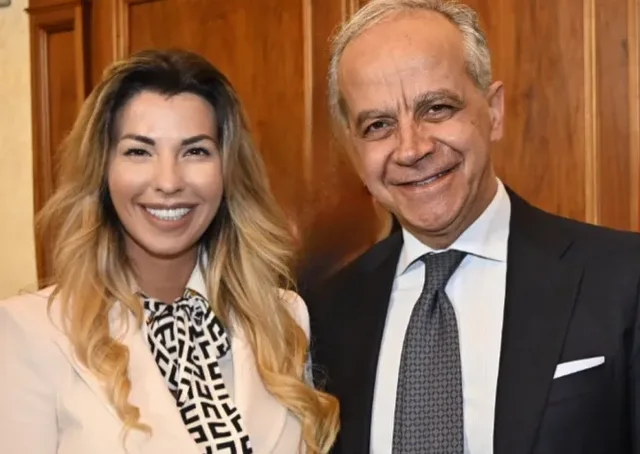
For months, rumors have circulated in Italian political circles about the closeness of Matteo Piantedos, the 62-year-old Interior Minister, to a much younger model and influencer. Her presence at official events and her recent appointment to a parliamentary commission that works closely with his Ministry have also raised suspicions.
Last week, the relationship became public. Asked on a podcast if she was having an affair with the married minister and father of two, Claudia Conte, 34, replied with a laugh: "It's something I can't deny." She added that she is very discreet about her private life.
The incident may not have been a coincidence. Podcaster Marco Gaetani, close to Meloni's Brothers of Italy party, later confirmed that Conte had asked him in advance to raise the issue during the recording.
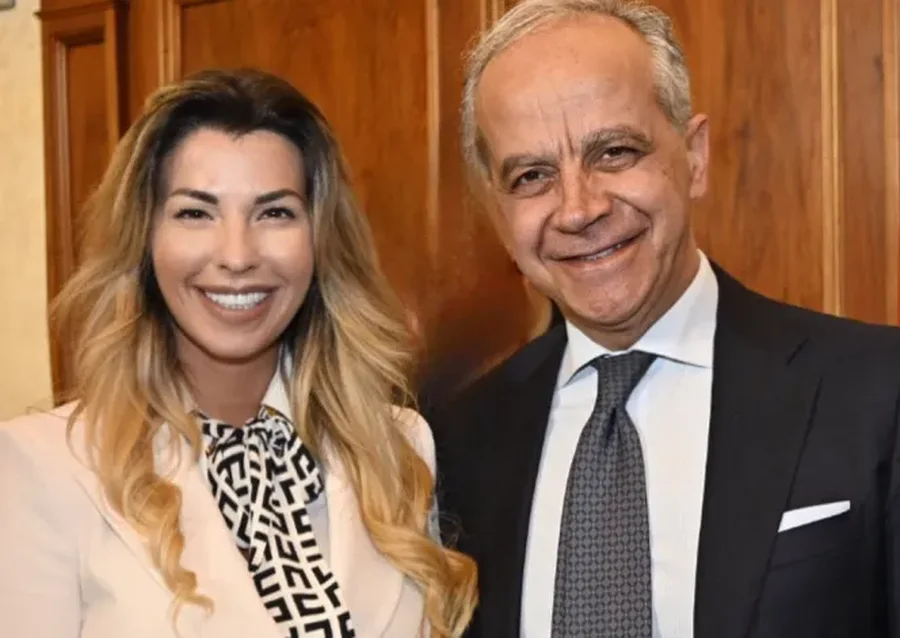
Called by Meloni to explain, Piantedosi stated that it was a private matter and has reportedly hired lawyers to counter any claims of conflict of interest. Meloni has expressed his full confidence in him. However, L'Espresso magazine reported that he had told friends: "I feel like I've been hit by a train."
The revelation goes beyond a personal embarrassment for the minister, who has been at the forefront of the government’s efforts to curb illegal immigration. Elly Schlein, leader of the opposition Democratic Party, said the government was facing “another scandal” and demanded clarification on whether there had been any irregularities in the positions given to Conte. Although her role on a parliamentary committee was unpaid, she was reportedly paid for work at a police training school.
These developments come at a difficult time for Meloni, the 49-year-old prime minister, who since October 2022 has brought rare political stability to Italy and aims to have the longest uninterrupted mandate since World War II after Silvio Berlusconi.
However, her image as invincible is fading. Last month she lost a referendum on judicial reform. Her reputation as a close ally of Donald Trump is not helping her, as most Italians oppose the US war with Iran.
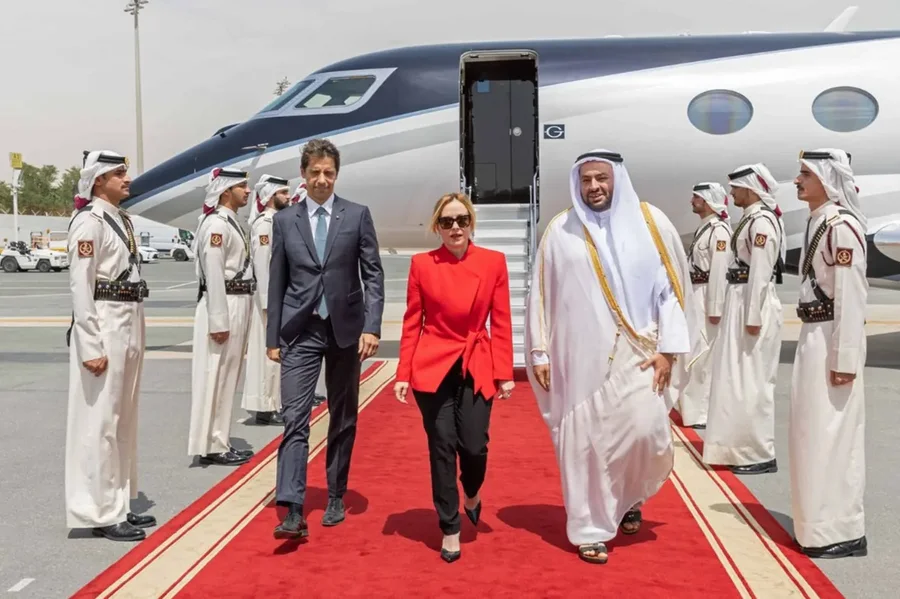
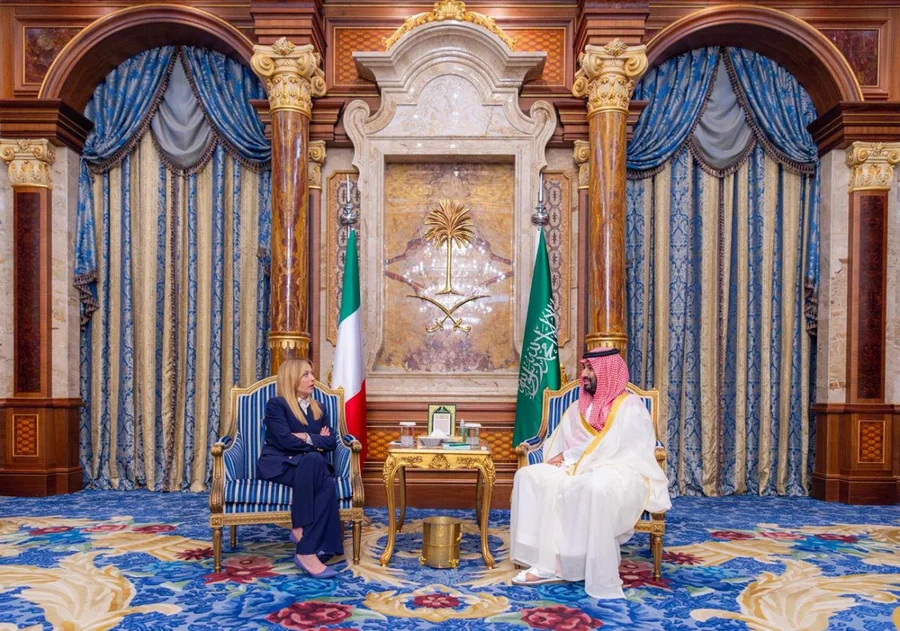
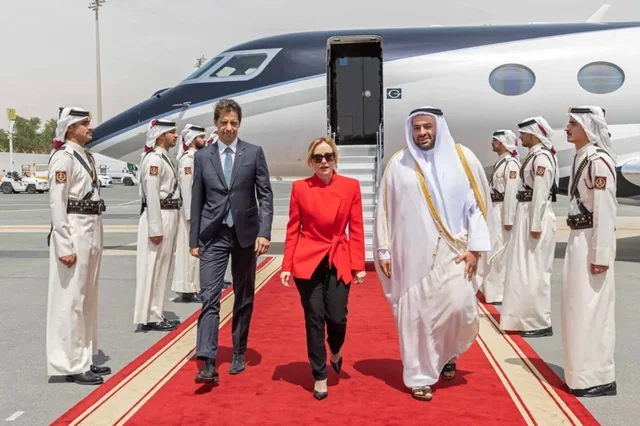
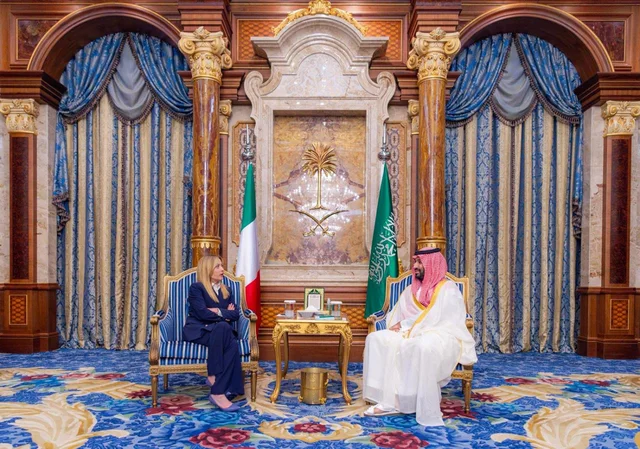
She is expected to appear before parliament after Easter to present the measures the government is preparing, in an attempt to show continuity in the executive's work. In the meantime, she traveled to the Gulf countries for meetings with the leaders of Saudi Arabia, the United Arab Emirates and Qatar, the first European leader to do so since the outbreak of the conflict with Iran.
The already weak Italian economy is expected to be further affected by the conflict. The Bank of Italy predicted that inflation this year will reach 2.6%, almost double previous forecasts, while economic growth is expected to be just 0.6%.
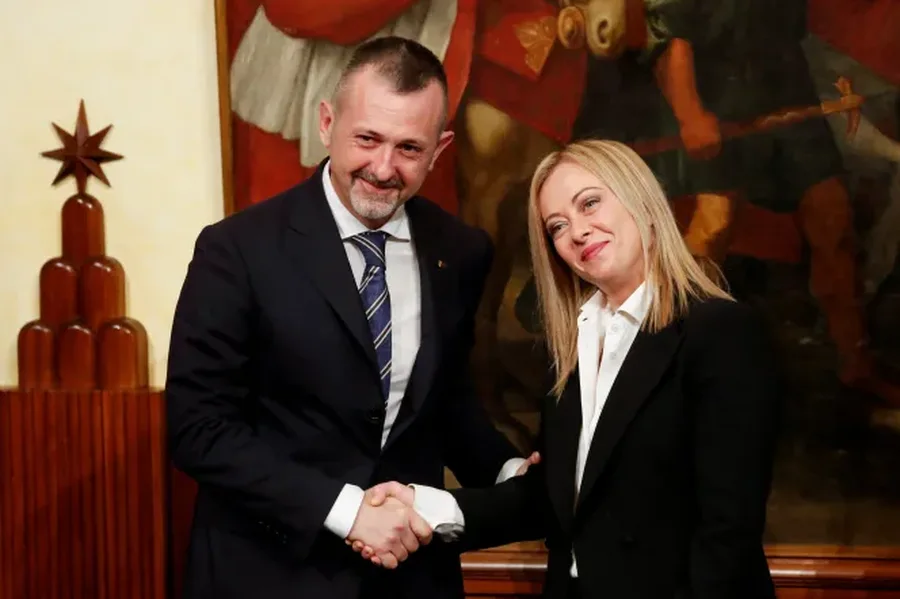
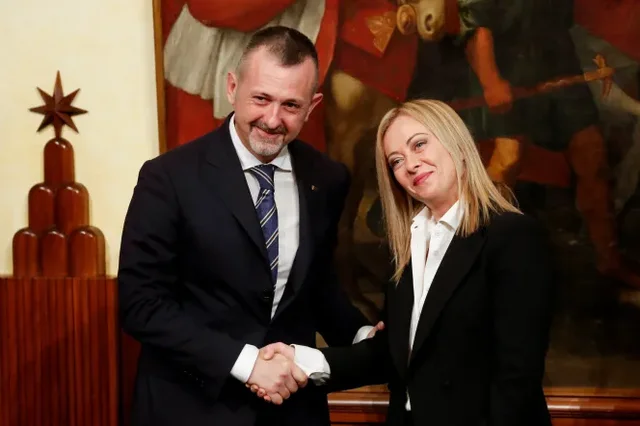
In the two weeks since the referendum, Meloni has lost two new ministers. Andrea Delmastro resigned after selling his stake in a Rome restaurant that is under investigation for money laundering linked to the Camorra. He said he was unaware of the links until the arrest of his business partner's father and that he had not benefited financially.
Meloni also forced the removal of Daniela Santanchè, a former businesswoman and tourism minister who was facing allegations of financial irregularities, which she denies.
Efforts to limit the power of judges have been a goal of the Italian right since the time of Berlusconi. For Meloni, this is also linked to immigration and the courts' efforts to block the transfer of migrant processing to Albania.
The referendum failed with 53.74% against and 46.26% in favor. Voters against were particularly numerous in the south and among young people, including some government supporters.
Meloni is not the first Italian leader to face such a defeat. A decade ago, Matteo Renzi resigned after losing a referendum on constitutional reform, having tied his political fate to the outcome.
Unlike him, Meloni did not directly link her fate to the outcome, but according to analysts, her active involvement in the campaign constitutes a tactical mistake.
The future remains unclear. Although there is speculation about early elections, analysts believe that this is not politically sensible, especially at a time when the economy is weakening.
A government reshuffle seems more likely, especially if Piantedosi is forced to resign, as happened to another minister in 2024 after a similar scandal.

Meanwhile, Matteo Salvini, deputy prime minister and leader of the Lega party, is reportedly aiming to return to the post of interior minister, which he previously held.
One almost certain consequence of the referendum defeat is the weakening of the constitutional reform to strengthen the role of the prime minister, known as the “premierato.” Critics warn that it could concentrate excessive power in the executive and limit democratic checks and balances.
The proposal remains blocked in parliament, as the government lacks the majority needed for constitutional changes and another referendum now looks harder to win. /Adapted from The Times /





Moj Meloni, me ato syte e zgurdulluara merru me ndonje gje tjeter. Nuk je per kete pune, mire?