


 Shkruar nga Pamfleti
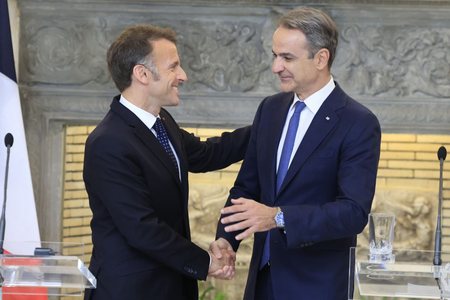
Emmanuel Macron has reaffirmed efforts to reopen the Strait of Hormuz, while TotalEnergies warns of possible energy shortages.
The market for traffic in the Strait of Hormuz returning to normal by May 15 is at 16% YES, down from 20% a day earlier, reflecting skepticism about a quick solution.
Meanwhile, Macron’s diplomatic push has also weighed on expectations of a military escalation. The market for UK warships transiting the Strait by April 30 is at 1.8% PO, down from 2% a day earlier and well below 12% a week ago. This suggests traders are interpreting the diplomatic engagement as a factor that reduces the likelihood of immediate tensions.
However, in the maritime traffic market, the 16% probability of YES indicates that confidence in the rapid success of diplomacy remains limited. Trading volume reaches $36,459 in USDC, while $4,658 is needed to move the price by 5 points. A 2-point increase during the afternoon suggests that some investors continue to hope for a positive development by mid-May.
The warship market remains less liquid, with just $783 being able to significantly affect the price, making it more susceptible to large swings. In contrast, the traffic market has stronger support, with a daily trading value of $215,992.
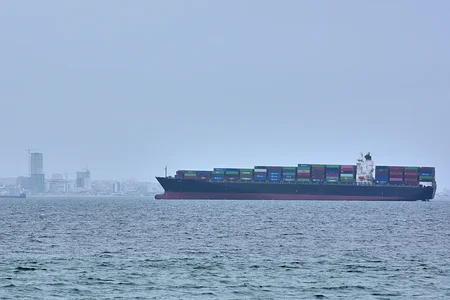
Recent data on ship movements and legislative developments in Iran have added to uncertainty, while the gap between diplomacy and reality on the ground remains considerable.
Macron's involvement is seen as an important diplomatic signal, but not a guarantee of a solution. A "YES" position for normalization by May 15 is priced at 16 cents, offering a potential return of 6.25 times, which means investors must believe in an outcome within a short period of about three weeks.
Going forward, attention is expected to be on announcements from CENTCOM, the UK Ministry of Defense, and any changes in Iranian policy, as these developments will determine the further direction of the markets.



Lini një Përgjigje