


 Shkruar nga Antonio Pellegrino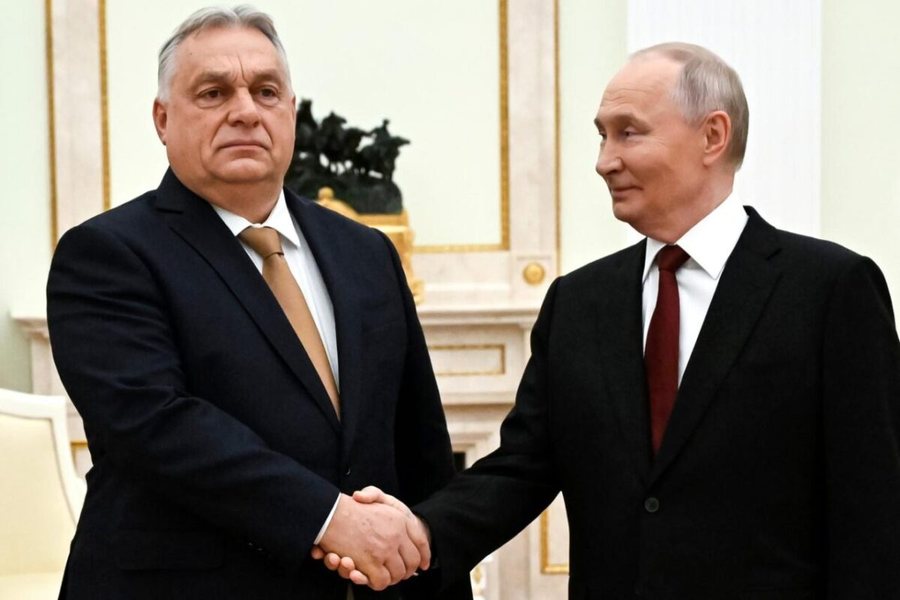
Over the past 15 years, Budapest has moved increasingly into Moscow's orbit, to the point of becoming a Kremlin enclave within the European Union. Therefore, Viktor Orbán's possible defeat in next spring's elections has already activated the Russian disinformation machine...
It has been 70 years since the Hungarian Revolution, when the young people of Budapest erected barricades to repel the invading Russian tanks. Those uprisings were bloodily suppressed, but they served to show the world what the Soviet Union was really like, becoming an example for all those resistance zones that fought Moscow and its puppet regimes.
Today, Russia's presence in Hungary is stronger than ever, and without the need for an army, the country has become over the past 15 years a Kremlin enclave within the borders of the European Union. The person responsible for this situation - both an accomplice and a tool of Vladimir Putin - is a man who paradoxically began his political career defending the legacy of the 1956 revolutionaries.
Since taking office, Prime Minister Viktor Orbán has gradually moved the country into Moscow's orbit, having encountered EU opposition to his authoritarian plans. Brussels' repeated calls against the restriction of political and civil rights have accelerated the rapprochement between the two regimes, a process that has caught even Vladimir Putin by surprise.
In recent years, Orbán has shown himself more loyal to Putin, and especially after the invasion of Ukraine in 2022 - despite initial support from his Fidesz party for European resolutions against Moscow - the prime minister has clearly chosen sides in favor of the Kremlin.
This is a blessing for the Russians, who, during the first years of Orbán’s rule, spent resources waging a hybrid war against Hungary. They supported the far-right opposition, and especially Jobbik, which, before its moderate turn, had also participated as international observers in the sham elections in Donbas.
They also conducted a disinformation campaign to distort Hungarian public debate in favor of their thesis (in 2015, plans were made to open an office of Russia Today, a well-known Russian government propaganda outlet).
This attempt was enabled by the active complicity of the Orbán government, which on the one hand spontaneously appropriated the key words of Russian disinformation, hijacking them from the supposedly “independent media,” and on the other, handed the country over to the Russian Federation through privileged energy and economic agreements, as well as the entry of Russian agents into the Hungarian intelligence apparatus.
Rusia e pushtoi Hungarinë pa qëlluar asnjë të shtënë, dhe në këmbim, Viktor Orbán arriti të konsolidonte një pushtet pothuajse të pakontestueshëm. Por tani situata ka ndryshuar. Për herë të parë pas vitesh, hegjemonia politike e Orbán mund të sfidohet nga shfaqja e një figure të re: Péter Magyar.
Një ish-anëtar i Fidesz, Magyar ka themeluar partinë e tij, Tisza, me të cilën synon të përmbysë dekadën e fundit të politikave joliberale dhe ta rikthejë Hungarinë në gjirin evropian. Ajo që e dallon nga eksperimentet e tjera të ngjashme është ndikimi i tij.
I mbështetur nga suksesi i tij në zgjedhjet e fundit evropiane (30 për qind e votave), Tisza ka arritur të bashkojë opozitën përpara zgjedhjeve të ardhshme të përgjithshme të planifikuara për këtë pranverë. Ky fakt e ka alarmuar Rusinë, e cila ka nisur një ofensivë të ashpër në luftën e saj hibride kundër Budapestit, për të siguruar mbijetesën në pushtet të asetit të saj më të vlefshëm.
Lëvizja e parë erdhi në nëntor të vitit të kaluar, kur Hungaria raportoi sulmin e një organizate kriminale kibernetike në serverët e Tisza-s. U vodhën dhe u shpërndanë në internet të dhënat personale të mbi 200 mijë mbështetësve të partisë, pra identitetet, adresat e shtëpisë dhe të dhëna të tjera të ndjeshme.
Shumë shpejt u zbulua se organizata e kishte selinë në Rusi. Sipas një analize nga Instituti “Robert Lansing”, operacioni shërben për një qëllim të dyfishtë brenda kontekstit më të gjerë të luftës hibride: ta bëjë Tisza-n të prekshme duke i ekspozuar mbështetësit e saj ndaj kërcënimeve dhe, në skenarin më të keq, duke shkaktuar pasoja të dhunshme ose duke kërkuar prova potencialisht kompromentuese për të minuar besueshmërinë e partisë.
Një fushatë e ngjashme ishte kryer tashmë nga mediat pro-Orbán, me ndihmën e Rusisë, që nga momenti i themelimit të kësaj partie. Ish-gruaja e Magyar, Judit Varga, Ministre e Drejtësisë në atë kohë, dha dorëheqjen në vitin 2023 pas një skandali gjyqësor.
Largimi i Péter Magyar nga Fidesz përkoi me atë rast, dhe ai ndihmoi drejtpërdrejt në hetim duke publikuar kaseta të disa prej bisedave të Varga-s, të cilat zbuluan “sistemin e thellë të korrupsionit që qeveris shtetin hungarez”.
Megjithatë, mediat ruse e shfrytëzuan rastin për ta portretizuar Hungarinë si një pjesë integrale të një sistemi të korruptuar, me një riinterpretim të sajuar që shtrembëroi faktet për të mbështetur teorinë e një elite që synonte rrëzimin e Orbán-it “të pavarur”.
Në fakt, korrupsioni është një temë kyçe në fushatën e re të dezinformimit në Hungari. Në prag të zgjedhjeve, qëllimi i Rusisë është ta portretizojë Tisza-n si një produkt perëndimor, të kontrolluar nga Bashkimi Evropian dhe NATO. Për këtë arsye, demonstratat në rrugë të udhëhequra nga partia janë përshkruar tashmë si “përpjekje për një revolucion me ngjyra”.
Moscow's nervousness is understandable, given that a Tisza victory would undermine the Kremlin's main objectives in Europe: normalizing relations with the EU, having a spokesperson for anti-Ukrainian rhetoric, and relying on a state agent capable of vetoing European initiatives.
Russian cybercriminal attacks have targeted Tisza not only because of the political threat, but also because new parties active online often lack strong cyber defenses.
The upcoming attacks aim to track down key financiers and spread new, often fabricated, leaks of information to discredit the opposition. Meanwhile, the campaign in favor of Viktor Orbán has entered its peak, portraying him as a victim of the expansionist ambitions of the EU-NATO alliance.
Although it is too early to predict a Magyar victory, it is certain that a relentless Russian offensive awaits us. This shows that Putin knows that the risk of losing his enclave is real. Russia will not retreat easily and Europe cannot remain apathetic. We cannot make the same mistake, 70 years later./ Adapted from "Pamphlet" by "Linkiesta"




Ndyresirat Ruse kudo ku kane shkelur kane mbjellur faren e tyre. Ne te gjitha vendet ish komuniste rekrutuan e rekrutuan plehra njerez e sot o dredhin si zinxhirin ne dore keto vende. E para per mua eshte Merkel qe rri si e dhjere tani e nuk ndihet. Une ia kam vene epitetin dashnorja e Putinit. Mos te flasim me per gollot sllave me radhe, plus Rumani e te tjere. Ja cfare bene ne Ukraine me femijet e vegjel qe po i shpelajne nga trute e kur te "bashkohen" nje dite me familjet do kendojne si kanarina per ruset. Te njejten gje kane bere edhe pas luftes se Pare Boterore ku perlane shume femije Gjermane e si i shpelane nga trute i hodhen ne Gjermani dhe e kishin ne pellembe te dores Gjermanine. Orthodoksia Kostandinopojane vazhdon punen e saj drejt gllaberimit deri ne Atlantik. Natyrisht edhe Shqiperia eshte e krimbur me spiune te Ruseve e sllaveve e i kane rrenjet aq thelle sa qe nuk shkulen kurre. Nje bime Japoneze qe eshte kultivuar para ca vitesh ne Britani i leshon rrenjet thelle 3m e nuk kane cfare t'i bejne qe ta zhdukin se po pushton siperfaqe te tera. Ja keshtu jane edhe te mbarsurit nga Sllavet.