


 Shkruar nga Pamfleti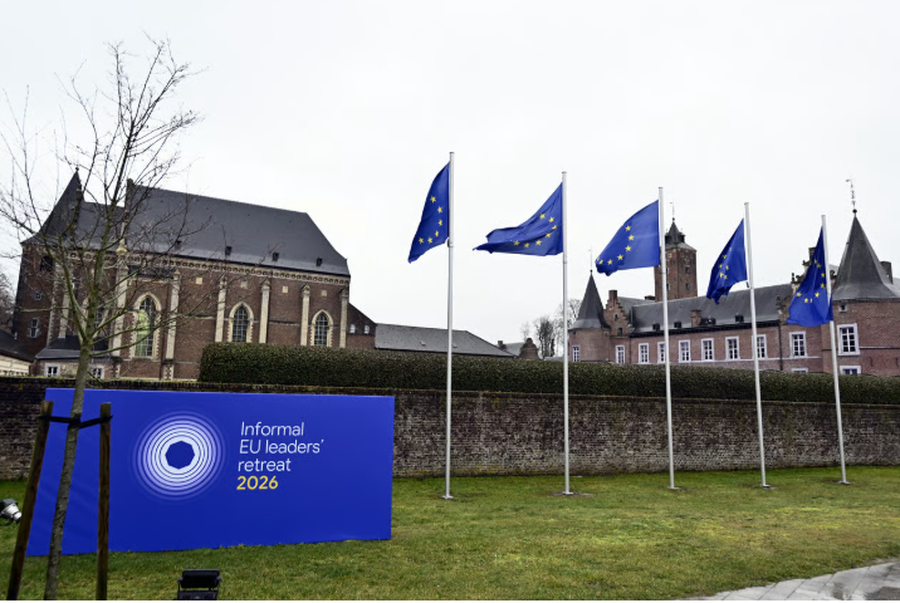
From Russia's invasion of Ukraine to Brexit to 9/11, EU leaders have often used difficult times as a reason to head to the countryside...
When things get tough, EU leaders climb the drawbridge and lock themselves behind fortified walls.
From Russia's invasion of Ukraine to Brexit to 9/11, pivotal moments that require the EU to take action tend to elicit the same response: Head to a castle!
This week is no exception. As the debate about the future of the EU in an uncertain world intensifies, leaders will gather on Thursday in Alden Biesen in Flanders, a charming backdrop for some very serious conversations.
Located near Bilzen in the Limburg province of Belgium, Alden Biesen is one of the largest castles located between the Loire and Rhine rivers. It even has a moat to keep out intruders (and apparently Donald Trump).
If you listen to Enrico Letta, one of two former Italian prime ministers invited to the meeting, the task set for the meeting participants is ambitious: saving Europe. This meeting will show whether “Europe can come back and become truly united, fully mature and independent,” the former Italian prime minister told Politico.
Just as the signing of the Maastricht Treaty in 1992 “made Europe what it has been over the last 35 years,” Letta said, “now we must do the same thing again.”
Leaders, looking for inspiration to revive the EU's competitiveness, can rely on the reports of Letta and the other former Italian prime minister invited, Mario Draghi, or they can simply admire the high vaulted ceilings, ancient tapestries and grand halls.
“The enclosed galleries of Europe’s castles and Schlösser have long been favorite gathering places for the EU’s political elite,” said Luuk van Middelaar, historian and director of the Brussels Institute for Geopolitics, because “they offer the isolation deemed necessary to really get work done, away from the scrutiny and noise of the metropolis.”
"Back when the European Council was still a travelling circus, the castle summit also offered an important opportunity for the meeting's organiser to brag. Castles offer what EU decision-making so often lacks: spectacle and glitz," said van Middelaar.
Since October 2003, all official meetings of the European Council have been held in Brussels. Before that, meetings were often held in the country holding the rotating presidency of the Council of the EU.
Kur mori detyrën si president i Këshillit Evropian, António Costa tha se do të kishte “mbledhje” joformale, takime të dizajnuara për t’i lejuar udhëheqësit të shkëmbejnë ide pa presionin e arritjes së përfundimeve. Ideja ishte e thjeshtë: dilni nga Brukseli dhe mendoni, tha ekipi i tij për Politico-n.
Arratisja e parë e tillë, e përqendruar në mbrojtje, u organizua me nxitim. Me pak kohë për të vëzhguar fortesat dramatike, Këshilli luajti me siguri dhe u mblodh në Palais d'Egmont në Bruksel, selia e Ministrisë së Jashtme belge. Një vend krejtësisht i respektueshëm - por jo një kështjellë.
Zyrtarët e këshillit më vonë shqyrtuan vendndodhjet në të gjithë Belgjikën përpara se të zbarkonin në Alden Biesen, i cili përmbushte të gjitha kërkesat: siguri për 27 udhëheqës, hapësirë për shtypin dhe kombinimin e duhur të praktikës dhe mureve prej guri.
Kjo javë nuk është hera e parë që BE-ja ka ndjekur këtë qasje.
Në mars të vitit 2022, vetëm disa ditë pasi Rusia nisi pushtimin e saj në shkallë të plotë të Ukrainës, udhëheqësit e BE-së u takuan në Pallatin e Versajës, të pritur nga Presidenti francez Emmanuel Macron.
Ai samit informal prodhoi “ Deklaratën e Versajës ”, duke i angazhuar shtetet anëtare për të rritur shpenzimet e mbrojtjes dhe për të zvogëluar varësinë energjetike nga Rusia.
Në shtator të vitit 2016, për takimin e tyre të parë pasi Mbretëria e Bashkuar votoi për t’u larguar nga Bashkimi Evropian, udhëheqësit u drejtuan drejt kështjellës dramatike në majë të kodrës së Bratislavës me pamje nga Danubi.
Pas sulmeve të 11 shtatorit, Këshilli Evropian u mblodh në dhjetor 2001 në Château de Laeken, rezidencën zyrtare të familjes mbretërore belge. Vendndodhja e izoluar ofronte sigurinë e nevojshme për diskutime delikate mbi terrorizmin.
Duke u kthyer edhe më tej, në dhjetor të vitit 1991, samiti i Këshillit Evropian që hapi rrugën për Traktatin e Maastrichtit u zhvillua në Provinciehuis Limburg, jo në një kështjellë. Megjithatë, një aktivitet shoqërues i çoi udhëheqësit në Château Neercanne aty pranë, ku, gjatë një dreke të shtruar nga Mbretëresha Beatrix, ata nënshkruan simbolikisht emrat e tyre në një mur shpelle .
Në raste të rralla, kullat ia lënë vendin manastireve. Traktati i Lisbonës u nënshkrua më 13 dhjetor 2007 në Manastirin Jerónimos të shekullit të 16- të , një vend i Trashëgimisë Botërore të UNESCO-s.
“Kështjellat u shfaqën në Evropë kryesisht pas rënies së perandorisë së Karlit të Madh. Ato ishin një reagim ndaj pasigurisë së një vakumi pushteti dhe frikës se çfarë mund të nënkuptonte kjo për ata që mbanin pushtet”, tha historiani mesjetar Matt Lewis.
Sipas tij, apeli për të mbajtur ngjarje të rëndësishme ndërkombëtare me kështjella dhe pallate mbetet i fortë edhe sot.
"Modern politicians, at least in part, are using the same playbook as their medieval predecessors. At the same time, this retreat speaks to a level of fragility, a moment on which so much can depend, that is reinforced by the centuries-old defenses of a castle," Lewis said.
Considering how much Trump enjoys hosting guests at his Mar-a-Lago resort, one can only speculate whether, if Thierry Breton were ever to become president of the European Commission, the meetings might have taken place at the Château de Gargilesse, which Breton purchased in 2023. /Adapted from Politico /


Lini një Përgjigje