


 Shkruar nga Reuven Brenner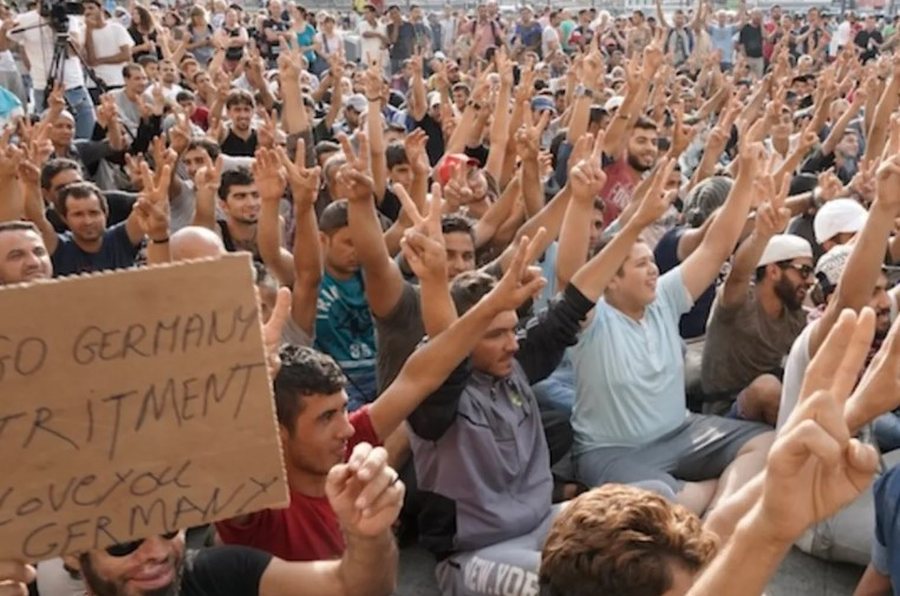
Western welfare states, already under considerable pressure due to their aging populations, accept mass immigration and justify it with a variety of academic, idealistic ideas that are now being recognized as legitimate...
The world is inhabited today by 8 billion people, up from 1 billion a century ago, and 4 billion in 1980. They are more mobile than ever before, with technology bringing both information and fabricated facts.
But people have not only become more mobile, with some 114 million refugees currently, but their bargaining power has changed as diverse tribes, nations, ethnic and religious groups have grown at different rates.
Although birth rates in developing countries have been declining, in poorer or even failed countries they are still well above replacement rate 2.1. Meanwhile, in most Western countries, the rate is below 1.5, which means their population will drop by about 50 percent within a few decades.
Immigration and differential birth rates changed the balance of power within Western societies, as some groups were not assimilated by Western civilization. The suffrage of their members and the importation of ethnic conflicts weakened institutions and deepened divisions in the West.
Western welfare states, already under considerable pressure from their aging populations, accept mass immigration and justify it with a variety of academic, idealistic ideas that are now being recognized as legitimate. But the debates on this issue have avoided discussing the fact that welfare policies have drastically changed the patterns of emigration.
Before the "welfare era," immigrants either arrived in their new countries and then paid for their families to join them, or if they didn't, they returned to their countries of origin. Historian Thomas J. Archdeacon points out that 46 percent of Italians who entered the US between 1899 and 1924 returned to Italy permanently.
A fundamental idea behind immigration and some domestic policies is based on this thesis: since human nature is the same, multiculturalism and looser national borders would benefit everyone.
Because people will live together peacefully in a short time. However, historical evidence contradicts these ideas. They confirm the old saying of the ancient Chinese philosopher Confucius: "Human beings are drawn to each other by their common nature, but personal habits keep them apart."
As long as most immigrants shared many of the customs of the population of Western countries, the immigrants integrated. "American", "French" etc. cultures and national characters also helped in this process. Now the question arises: How many immigrants can democratic countries accept without endangering their institutions?
It is true that the problem of large-scale emigration has arisen since before, both in Western European and American history. But then the perceived risk was different. President Franklin Roosevelt openly opposed both Asian and European immigration on the grounds that it would "contaminate the domestic blood", a view he shared with none other than Hitler.
Today, the clash is not about "blood" but about "culture". Denmark's government has just announced that 64 percent of second-generation Palestinian immigrants have been convicted of various crimes, so it is now pursuing much stricter asylum and immigration policies.
France, Italy, Germany and the Netherlands, facing a similar reality, have drastically changed their asylum and immigration policies. The issue of mistrust - mainly against Muslims, since they represented the largest influx of immigrants to Western countries in recent decades, from where they proved the most difficult to integrate - was labeled "Islamophobia".
But the truth is more about the subtle observation of Confucius. The customs and mentality of a people are formed by living for centuries in societies built either around different concepts or dictatorships, both of which have created comprehensive legal systems, institutions and customs that are supposed to last forever.
Abandoning such a model for today's Western model of society means accepting the transfer of the authority of institutions and legal systems created by deities to humans. This transformation threatens traditional habits and ways of thinking, while those that are being formed are still in their infancy and do not have the right authority. Such transitions have taken centuries and have always been accompanied by international and domestic violence, not to mention much corruption. Napoleon spoke of the need to understand such change when he rolled out his legal innovations across Europe's drastically changed demographics to both Metternich and Count Nicolai Rumyantsev, Russia's Foreign Minister: “Your sovereigns, born to the throne, can suffer 20 defeats and still return to their capitals. I can not. My rule will not survive the day I am no longer strong."
Sot, komente të tilla rezonojnë jo pak duke marrë parasysh ngjarjet aktuale në Lindjen e Mesme. Fqinjët e Izraelit me modelet e tyre deiste, monarkike dhe diktatoriale të shoqërisë kanë pësuar shumë disfata, por mbijetojnë, megjithëse shiitët dhe sunitët, të dyja grupet e bashkuar kundër Izraelit, luftojnë me egërsi edhe midis tyre.
Ndërkohë Izraeli, ashtu si Napoleoni, nuk ka luksin të pësojë as edhe një humbje. Konfliktet e mësipërme kanë vazhduar për mijëvjeçarë. Kur popullatat ishin më të vogla dhe më pak të lëvizshme, “ngjitësi” që i bashkonte ato ishin gjaku dhe marrëdhëniet fisnore. Ndërsa popullsia u rrit, besimet fetare u bënë “nyjat kyçe” shtesë për të “rilidhur” numrin në rritje të njerëzve (termi “fe” vjen nga “re-ligare” që do të thotë “ri-lidhje”). Ndërsa popullsia dhe lëvizshmëria vazhduan të rriteshin, dhe as feja dhe as forcat e perandorive nuk mund të mbanin së bashku fiset dhe grupet e ndryshme etnike, “nacionalizmi” u bë ideja e radhës për të bashkuar njerëzit.
Më vonë, Karl Marx prezantoi idenë se besnikëria ndaj një “klase punëtore” mund të ishte më e fortë se lidhjet kombëtare dhe fetare për të bashkuar një numër në rritje njerëzish, me dhunë nëse është e nevojshme, përmes diktaturës së “proletariatit”. Por kjo ide qëndronte në kontrast të thellë me një ide tjetër: bashkimi i njerëzve rreth një labirinti institucionesh që rrisin meritokracinë, duke i dhënë hapësirë provave dhe gabimeve dhe shpresave për lëvizje lart e poshtë në shpërndarjen e pasurisë.
Kjo e fundit u bë simboli identifikues i qytetërimin perëndimor, themelet e të cilit tani përfshijnë sisteme të mëdha të mirëqenies sociale, që tashmë janë vënë pjesërisht në pikëpyetje për shkak të ndryshimeve të forta demografike.
Vëzhguesit perëndimorë gabuan kur supozuan se modelet e Gjermanisë dhe Japonisë së pas Luftës së Dytë Botërore, të kalimit nga mendësia diktatoriale dhe deiste në ato meritokratike, mund të përsëriten lehtësisht sot. Jo nuk është aq e lehtë. Është e vërtetë. Gjermania e braktisi nazizmin.
Por ajo ideologji nuk kishte rrënjë shekullore. Japonia braktisi një udhëheqje politike luftarake dhe konceptin e origjinës hyjnore të perandorit, kur në një dekret perandorak më 1 janar 1946, shpalli se perandori Hirohito nuk ishte një Zot. Por raste të tilla të “de-radikalizimit” në një kohë relativisht të shkurtër nuk janë të zbatueshme për shtetet myslimane, pavarësisht nga pritshmëritë e “Pranverës Arabe”.
Ato nuk ishin të zbatueshme as për Bashkimin Sovjetik kur u shemb komunizmi. Rusia, ashtu si shumë shoqëri të tjera të bazuara në koncepte deistiko-diktatoriale, nuk pati asnjëherë institucionet për të shpërndarë pushtetin, sidomos fuqinë financiare. Në rrethana të tilla, votimi nuk është zgjidhje.
As the government remains the sole financial intermediary, power remains concentrated. The changes brought only a new dictatorship, masked by democratic jargon. Latin American, African, Asian and Middle Eastern countries have experienced profound demographic changes, and are showing similar patterns associated with corruption, concentration of power and violence.
History may not repeat itself, but it often rhymes whenever drastic demographic changes occur within a short period of time. Demographic changes are not a matter of fate. During turning points, they can create individuals who can lead society either toward peaceful adaptation or toward conflict and violence. To paraphrase a well-known saying: "Necessity is the mother of invention, but also the stepmother of deception." / Adapted "Pamphlet" from "Asia Times"
Note: Reuven Brenner, head of the Montreal Economic Institute, Canada. This article is based on Brenner's books History, the Human Bet, Bet on Ideas, The Power of Finance, and Reconnecting 7 Billion People.




Lini një Përgjigje