


 Shkruar nga Diplomatico | Pamfleti.net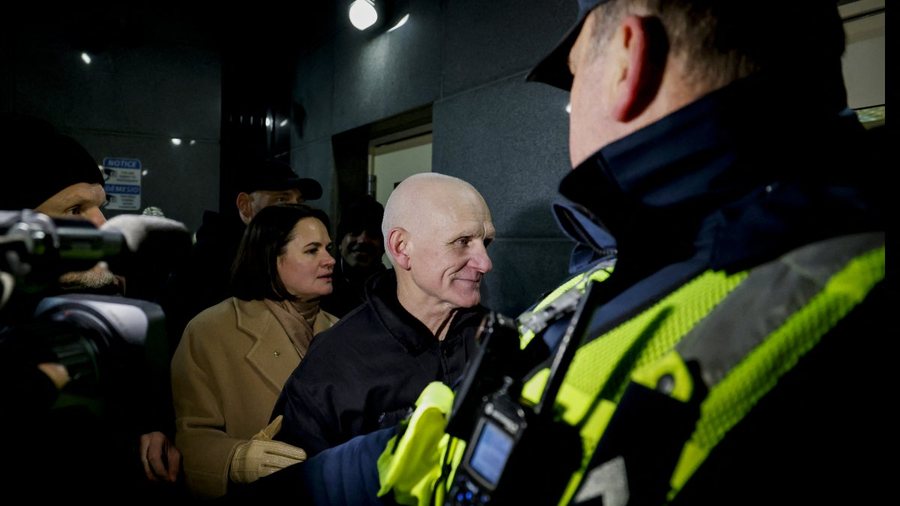
The release of 123 political prisoners by the Belarusian regime, including prominent figures such as Maria Kolesnikova and Ales Bialiatski, has sparked debate about the true price of this amnesty. With the US easing sanctions in exchange for freedoms, criticism is mounting over a deal that looks more like a bargain for freedom than a victory for human rights.
The release of 123 political prisoners by the regime of Alexander Lukashenko in Belarus has been hailed by many as a great humanitarian victory, but at the same time has sparked debates about the new American approach to autocratic regimes.
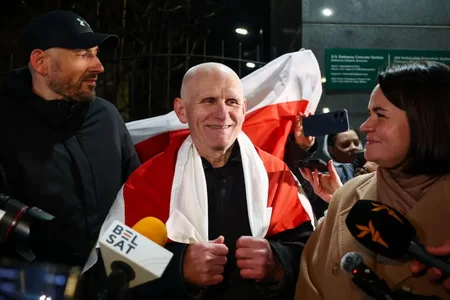
Among those released are figures who have symbolized democratic resistance, such as Maria Kolesnikova, co-leader of the Belarusian opposition, and Nobel Peace Prize winner Ales Bialiatski. Their return to freedom has sparked hope among activists, but also raised doubts about the motives and consequences of the agreement reached.
Clearly, this release did not come as a result of any internal reforms by Lukashenko, but as part of a diplomatic bargain with the United States. Foreign media reports that one of the conditions for the release was that the US consider lifting sanctions on the potash sector, a major economic resource for Belarus. This has drawn criticism from some analysts, who see it as a dangerous compromise, where individual freedoms could become diplomatic bargaining chips.
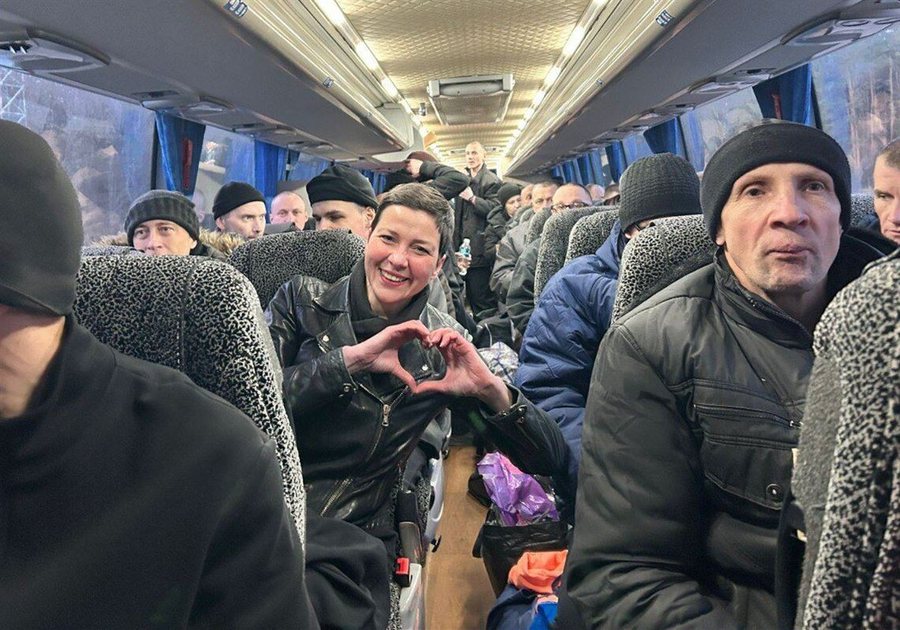
The question that arises is: what values are being defended by these negotiations? On the one hand, the release of activists who have been unjustly convicted, often for their political beliefs or participation in protests, is undoubtedly a welcome development. But on the other hand, if this is achieved by easing the pressure on authoritarian regimes, are we sending them the wrong signal?
Belarus itself under Lukashenko has built a repressive structure that has imprisoned thousands of citizens, activists, journalists, and opposition figures since 2020. Most of them still remain in prison. So, the release of 123 people, despite its symbolic value, remains only a small part of the great tragedy unfolding in the country.
The dilemma that remains is fundamental: should Western foreign policy operate on principled and unwavering grounds, or should it allow for flexibility when it comes to people’s lives and freedom? The release of the Belarusian prisoners has brought this complex question to the fore. And the answer is not simple, but it is essential for the future of foreign policy and the values that we as a society want to defend. /Pamphlet




Lini një Përgjigje