


 Shkruar nga Pamfleti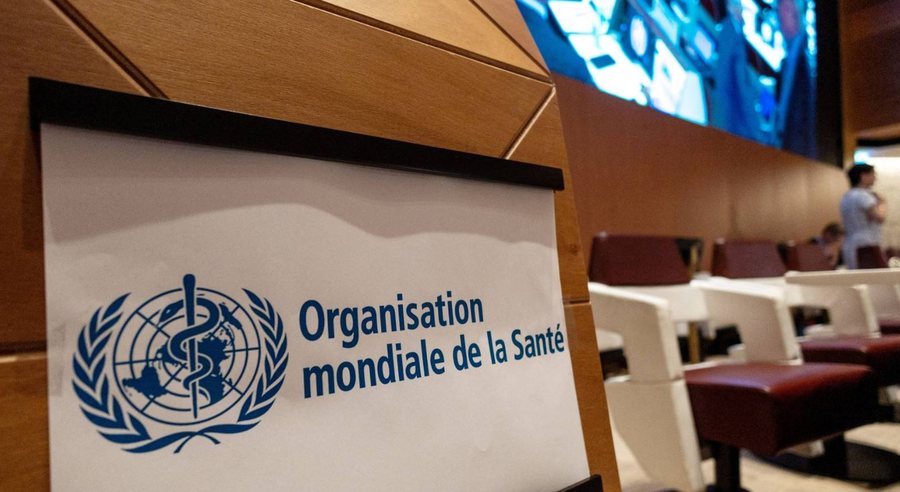
The United States has formally withdrawn from a World Health Organization (WHO)-approved agreement to improve global preparedness for future pandemics, following the chaotic response to the coronavirus pandemic. According to a joint statement from the US Department of State and the Department of Health, the US announced its refusal to implement the pact, which was adopted in May 2025 in Geneva after three years of negotiations.
The WHO agreement aimed to ensure more equitable access to vaccines, drugs and tests during future pandemics, addressing the inequalities highlighted during the COVID-19 pandemic. The document required manufacturing companies to share 20% of vaccines, therapies and tests with the WHO for distribution to poor countries, in order to avoid their exclusion from medical resources.
However, US negotiators withdrew from the talks after the start of President Donald Trump's second term, which has begun a 12-month process to withdraw the US from the WHO. As the organisation's largest financial supporter, the US decision could have significant consequences for the WHO's operations and global initiatives.
In a statement issued by Secretary of State Marco Rubio and Secretary of Health and Human Services Robert F. Kennedy Jr., the US argued that the terminology of the 2024 amendments is “vague and general,” risking weakening a coordinated international response. According to them, the agreement focuses more on political issues such as “solidarity” than on rapid and effective action to manage pandemics. The statement suggests that the US prefers alternative approaches to addressing global health challenges, without providing specific details.
The coronavirus pandemic, officially declared a pandemic by the WHO on March 11, 2020, has resulted in over 7 million deaths worldwide. The United States has recorded the highest number of fatalities, followed by India and Brazil. Inequalities in the distribution of vaccines and treatments during the pandemic have highlighted the need for a fairer global system, leading to negotiations on a new WHO agreement. The US refusal to support the pact could compromise efforts to build a stronger global framework for future pandemics. Poor countries, which have often been the last to receive medical resources during crises, could face major challenges if the proposed mechanisms for sharing resources fail to be implemented.
The US refusal to support the pact could compromise efforts to build a stronger global framework for future pandemics. Poor countries, which have often been the last to receive medical resources during crises, could face major challenges if the proposed mechanisms for sharing resources fail to be implemented.






Lini një Përgjigje