


 Shkruar nga Nick Allen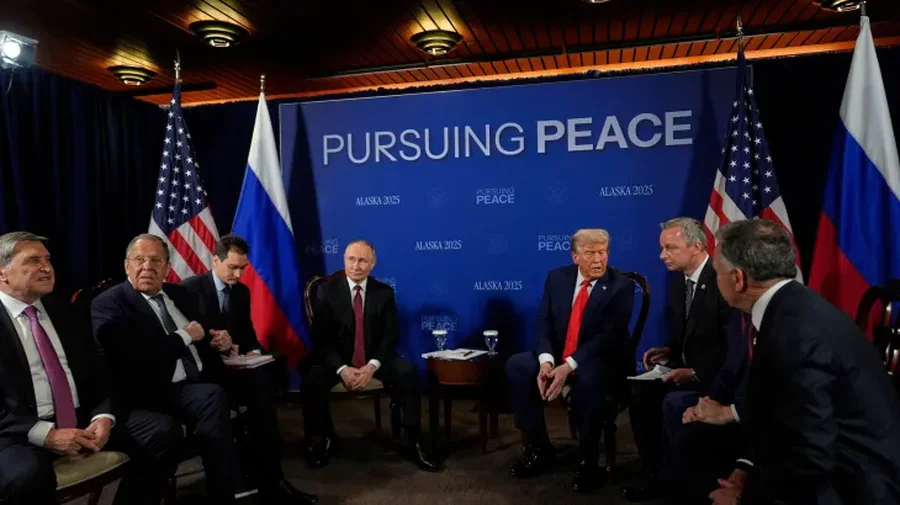
They feared a repeat of Yalta, the 1945 conference where Roosevelt, Churchill and Stalin decided the fate of European circles without being represented at the negotiating table...
In the end, the show 'Doni and Vladi' ended without a grand finale.
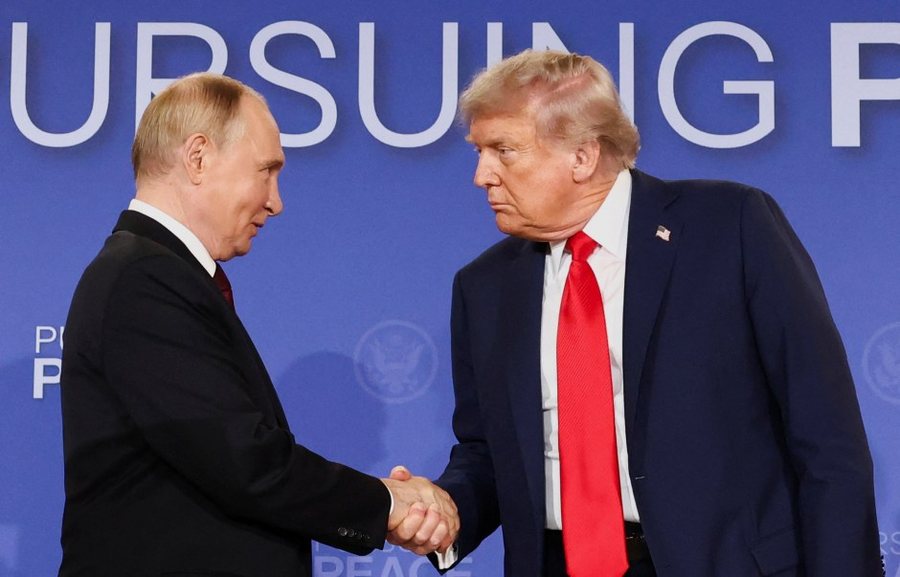
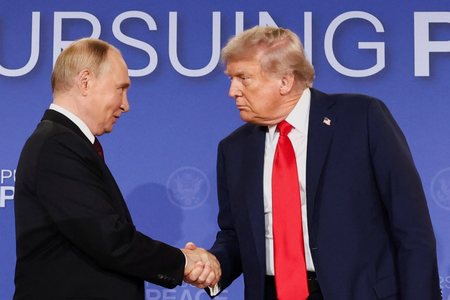
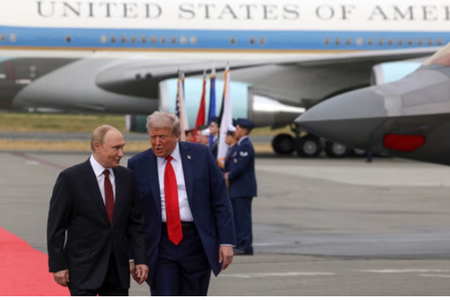
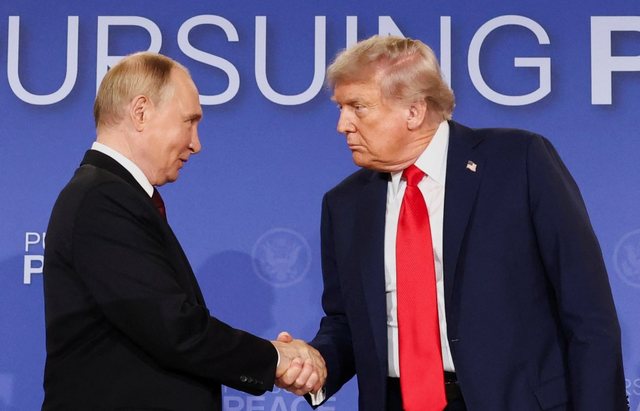
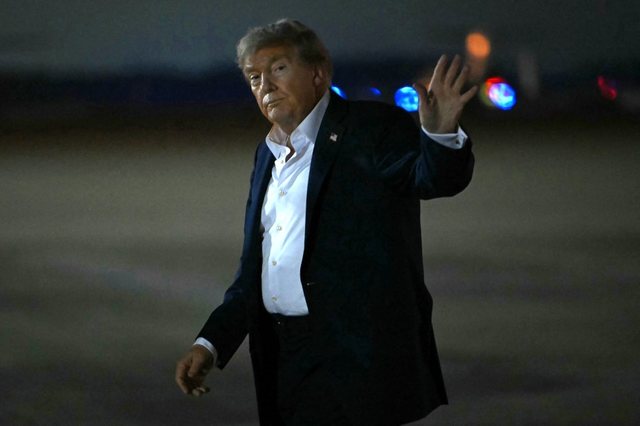
After nearly three hours behind closed doors in Alaska, Donald Trump and Vladimir Putin emerged as heavyweight fighters who had fought each other to a standstill.
They continued to chat briefly with the millions of people who were eagerly watching on television, but they did not reveal any details of what they had discussed.
The only conclusion for those in Kiev and European capitals was that the conflict had ended in stalemate and that there would be no immediate ceasefire in the Ukrainian war.
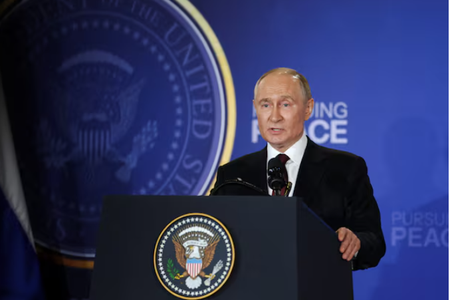
Putin spoke first and seemed happier, cheerfully inviting Trump to Moscow for another meeting.
He and Trump had reached an "understanding," Putin said, while threateningly warning Europe not to "destroy the progress that had just begun."
Trump called the summit "very productive" but said there were "some pretty big issues" that were not agreed upon. He later sounded more upbeat, rating it a "10/10."
For Trump, it was undoubtedly a historic achievement to bring Putin to the negotiating table, and a starting point for what could be a long road to peace and a Nobel Prize.
But to Kremlin watchers, it seemed as if Putin had achieved his two main goals: a return to the world stage and buying time to achieve military victory in Ukraine.
By agreeing to the meeting, Putin avoided further imminent US sanctions, and by not agreeing to a ceasefire, he dismissed the diplomatic issue.
Putin's troops are currently advancing in Ukraine, so it would always be to his advantage to delay Trump's demands for a ceasefire and seek a better deal later.
In fact, on the eve of the summit, Putin bombed Ukraine again with a ballistic missile and his troops advanced six miles toward the eastern town of Dobropillia.
The starting points for the summit had never been entirely promising.
Putin wanted Ukrainian territory, but the scale of his demands was shrouded in uncertainty, in part because of apparent previous misunderstandings with Trump's envoy, Steve Witkoff.
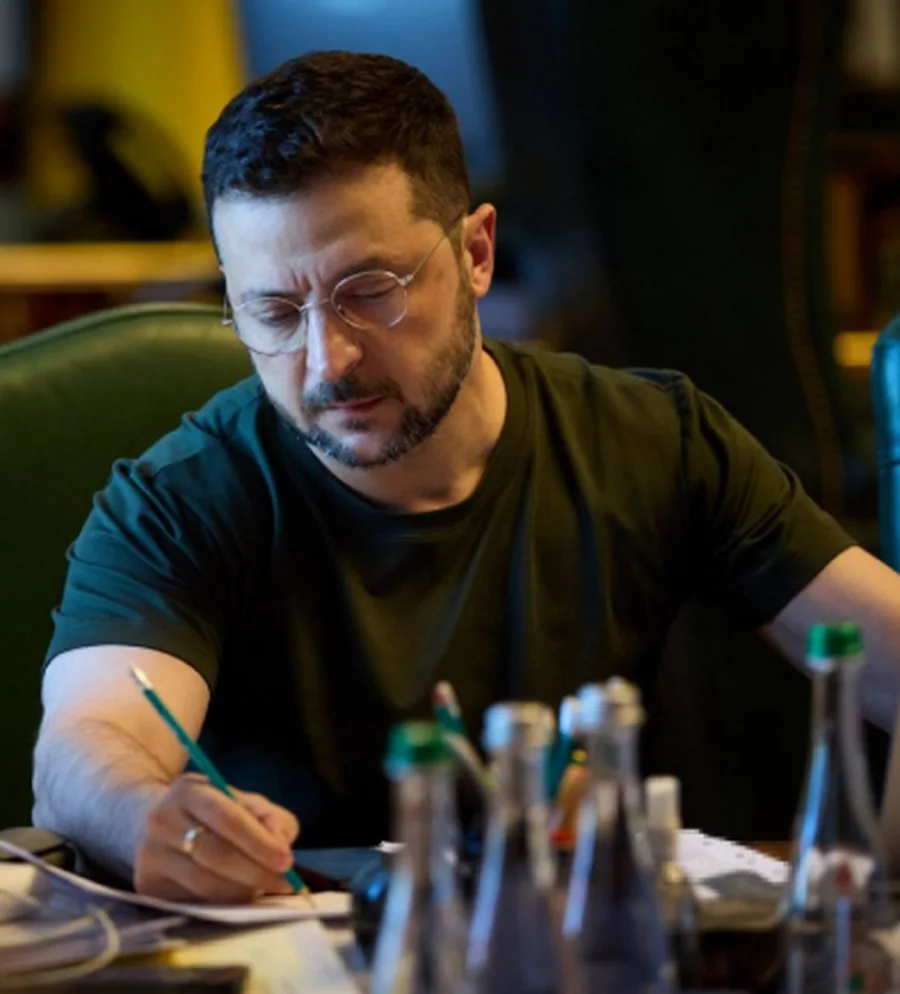
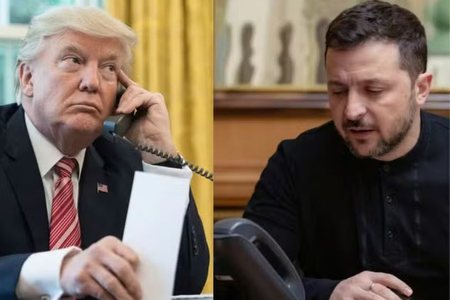
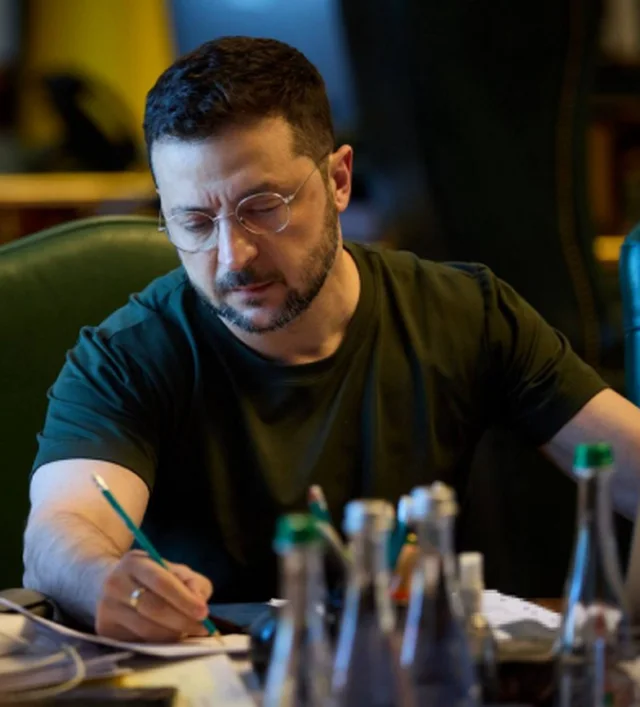
Trump was prepared for “territorial swaps” but had agreed not to make any commitments without the approval of Ukrainian President Volodymyr Zelensky, who was not invited. Zelensky wanted a ceasefire before any discussion of territory.
Ndërkohë, udhëheqësit evropianë donin garanci sigurie pas luftës për Ukrainën. Dhe Putini donte që anëtarësimi i Ukrainës në NATO të përjashtohej, gjë që ishte një dështim diplomatik.
Megjithatë, për Ukrainën dhe aleatët e saj evropianë, pati njëfarë lehtësimi që nuk u shkaktua asnjë dëm në Alaska.
Ata kishin frikë nga një përsëritje e Jaltës, konferenca e vitit 1945 ku Roosevelt, Churchill dhe Stalin vendosën fatin e qarqeve evropiane pa u përfaqësuar në tryezën e negociatave.
Rusia ka pushutuar rreth 1/5 e Ukrainës, duke përfshirë pjesë të mëdha të Luhanskut, Donetskut, Zaporizhzhisë dhe Khersonit, zona të pasura me qymyr dhe gaz, si dhe minerale të tjera si litiumi.
Meqenëse Zelensky nuk ishte në Alaska, ai dhe aleatët evropianë ishin të shqetësuar për një “Jaltë 2”, me Trumpin që ia dorëzonte Putinit pjesë të territorit të Ukrainës.
Kritikët e Trumpit i kishin dhënë atij gjithashtu rolin e Kryeministrit Britanik Neville Chamberlain në Mynih në vitin 1938.
Chamberlain ia dha Hitlerit, Sudetenlandin në Çekosllovaki, dhe më pas deklaroi në mënyrë famëkeqe se kishte arritur 'paqe për kohën tonë'. Vitin pasardhës, bota ishte në luftë.
Trump tregoi në Alaska se nuk është Chamberlain. Përkundrazi, ai është një njeri me një mospëlqim të fortë për njerëzit që përpiqen ta mashtrojnë.
Gjithnjë e më shumë, kjo duket të jetë pikëpamja e tij për Putinin.
Në Alaska, gjithashtu nuk pati përsëritje të takimit të vitit 2018 në Helsinki, kur Trump u kritikua gjerësisht për mbështetjen e Putinit në lidhje me agjencitë e tij të inteligjencës, duke mohuar se Rusia kishte ndërhyrë në zgjedhjet e vitit 2016.
Dhe, ndryshe nga Helsinki, Trump mori vendimin për të mos u takuar me Putinin vetëm. Në vend të kësaj, në Alaska takimi ishte '3X3', ku të dy udhëheqësit sollën dy këshilltarë të besuar.
Në rastin e Trump, ai përdori një 'polic të mirë' dhe një 'polic të keq' diplomatik. 'Polici i mirë' ishte Ëitkoff, i cili ka ndërtuar një raport me Putinin gjatë disa takimeve të gjata. “Polici i keq” ishte Sekretari i Shtetit Marco Rubio, i cili në të kaluarën e ka cilësuar Putinin si një “bandit dhe gangster”.
Në një farë mënyre, vetëm fakti që ndodhej në Alaska ishte një fitore për Putinin, një njeri përgjegjës për nisjen e luftës më të madhe tokësore në Evropë që nga viti 1945.
Ai është zyrtarisht një i dyshuar për krime lufte i kërkuar ndërkombëtarisht, pasi një urdhër arresti për të u lëshua nga Gjykata Ndërkombëtare Penale në mars 2023.
Samiti i lejoi atij të bëhej udhëheqësi i parë rus që shkeli në Alaska që kur Cari Aleksandri II ia shiti atë SHBA-së në vitin 1867.
Trump në fakt e solli atë nga një mërgim tre-vjeçar e gjysmë si një i përjashtuar global.
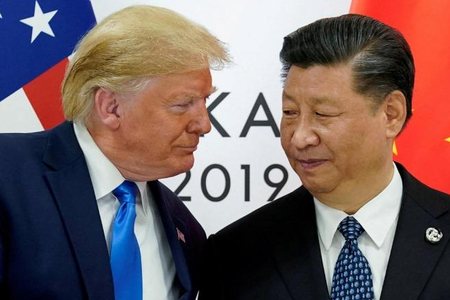
Përpara takimit, Putin u përpoq të qetësonte egon e Trump, duke lavdëruar "përpjekjet e tij energjike dhe të sinqerta për t'i dhënë fund konfliktit".
Moreover, he offered a “carrot,” that an agreement could lead to talks on “strategic offensive arms control,” a clear reference to a possible nuclear arms deal.
Russia and the United States have by far the largest nuclear weapons arsenals in the world.
The last remaining pillar of nuclear arms control between the two countries is the New Strategic Arms Reduction Treaty (New START), which expires in February.
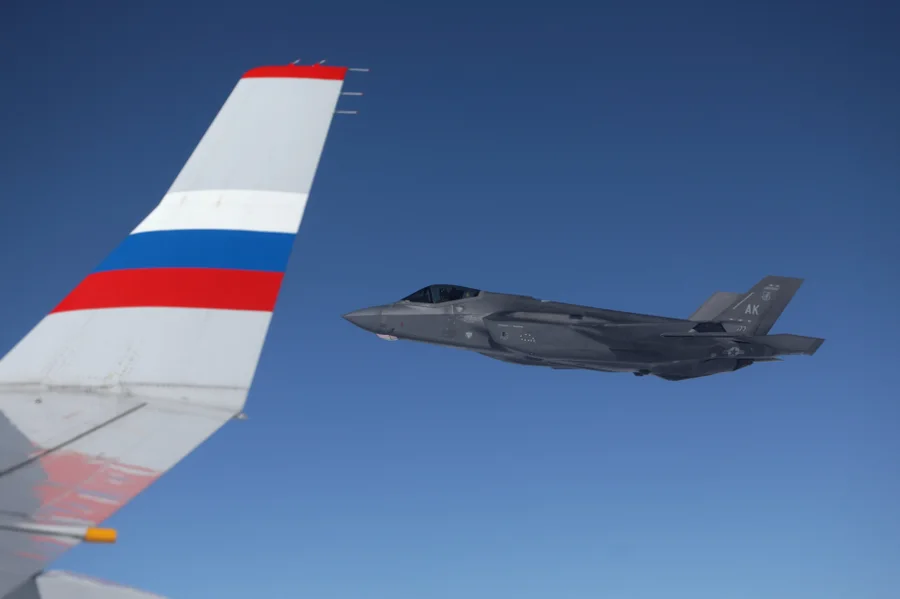
But, as Trump discovered, pushing Putin toward a ceasefire will be an uphill battle.
Not all wars end at the negotiating table. According to a study by The Hague Center for Strategic Studies between 1946 and 2005, only 30 percent of wars between countries ended with a ceasefire and only 16 percent with a peace agreement.
The study found that 21 percent of them ended in a decisive victory and 33 percent in some other form, such as a stalemate or ongoing low-level conflict.
When there was a negotiated settlement in 50% of such cases, the counties were back at war within five years. /Adapted from Daily Mail/


Lini një Përgjigje