


 Shkruar nga Pamfleti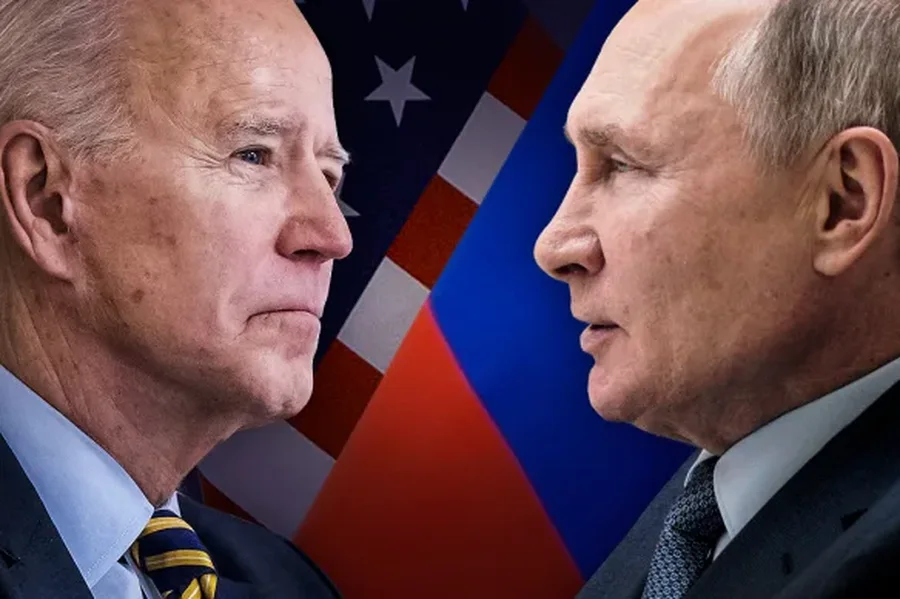
Russia is entering the third year of its war in Ukraine with an unprecedented amount of cash in government coffers, boosted by a record $37 billion sale of crude oil to India last year, according to a new analysis that concluding that some of the crude oil was refined from India and then exported to the United States as petroleum products worth more than $1 billion.
This flow of payments, ultimately benefiting Moscow, comes from India increasing its purchases of Russian crude by more than 13 times its pre-war amount, according to analysis by the Center for Research on Clean Energy and Air (CREA), which shared exclusively with CNN. That means US strategic partner New Delhi steps in to replace crude purchases from Western buyers reduced by sanctions over Russia's invasion of Ukraine, the analysis said.
While sales of Russian crude oil to India are not subject to sanctions and are entirely legitimate, an examination of shipping routes by experts suggests that this large volume of shipments may include the so-called "shadow fleet" of specially designed crude tankers from Moscow to try to disguise who and how it is trading and maximize the Kremlin's profits.
CNN witnessed what appears to be part of that complex trade in the Greek port of Gythio earlier this month. Two oil tankers – one massive, the other smaller – were placed next to each other for a ship-to-ship transfer, which involves passing crude oil between ships, sometimes with the intention of disguising its origin and final destination.
The two tanks have colorful histories. Both left Russia weeks ago. One is owned by an Indian-based company accused of engaging in sanctions violations and the other was previously owned by an individual subject to special US sanctions, according to ship monitoring firm Pole Star Global.
"Transfers are (sometimes) done legally, but they are also used as an illegal tactic to evade sanctions," said David Tannenbaum at Pole Star Global. "You're adding multiple layers to the shell game as they try to confuse the authorities about where this oil is coming from and who's buying it at the end of the day."
Dozens of similar transfers take place each week in Greece's Laconian Gulf, a convenient transit point to the Suez Canal and Asian markets, analysts say.
Earlier in February, the US Treasury outlined a new package of sanctions against ships and companies suspected of helping to move Russian crude oil in violation of US sanctions, in an effort to hamper the operation of the fleet. Russian secret.
The United States led a coalition of countries in late 2022 that agreed to a "price cap," committing not to buy Russian oil above $60 a barrel. Those nations also barred their shipping companies and insurance firms — major players in global shipping — from facilitating trade in Russian crude above that price.
Part of the oil trade between Russia and India is open and direct. Windward, a maritime artificial intelligence company, analyzed global shipping movements for CNN and found 588 direct journeys by oil tankers from Russia to India last year.
But some of the traffic between the two countries is more complex on the Greek coast. Pole Star Global examined the same route and found over 200 trips last year by vessels from Russia making a transfer in the Laconian Gulf to another vessel, which continued to India.
Tannenbaum at Pole Star Global said the firm "suspected" the main motive for these transfers was to avoid sanctions as "almost all of these vessels" had a connection to the US or the European Union and would be subject to the price cap. "This bay is closed. It's out of the way. And so they can do this activity pseudo-anonymously.”
Ami Daniel, CEO of Windward, made a similar assessment: "This is part of a methodical, systematic Russian effort to make everything much more complicated." He described the incentive for Russia and oil traders to circumvent the sanctions as "huge", saying: "You really had to have a reason to move over 60 million barrels into the middle of the ocean and export them in India, because it's much easier not to do that – to sail directly.”
The shadow fleet has enabled Russia to create a parallel shipping structure that can withstand the changing tactics and focus of Western sanctions, with hundreds of darkly owned tankers using complex routes. Windward estimates that this fleet grew to 1,800 vessels last year.
The net effect of India's crude purchases has been to ease the pressure Russian President Vladimir Putin is feeling from oil sanctions. Russia's federal revenues rose to a record $320 billion in 2023 and are expected to grow further. Roughly a third of the money was spent on the war in Ukraine last year, according to some analysts, and a larger portion is still set to finance the conflict in 2024.
Fondet në dispozicion të Kremlinit e vendosin Moskën në një pozitë më të mirë për të përballuar një luftë të gjatë sesa Kievi, i cili po përpiqet të mbajë fluksin dëshpërimisht të nevojshëm të parave perëndimore.
Sipas një analize të të dhënave publike nga ministria ruse e financave nga ekonomisti i RAND, Howard Shatz, të ardhurat dhe shpenzimet federale ruse ishin të dyja në nivelin më të lartë të të gjitha kohërave në vitin 2023. Megjithatë Moska ende nuk i ka balancuar librat, tha ai, një tregues i kostoja e madhe e luftës, por edhe goditja e të ardhurave nga nafta nga sanksionet.
“Pavarësisht rritjes së të ardhurave, deficiti i buxhetit federal ishte në nivelin e tretë më të lartë… më i madh vetëm në 2022 dhe 2020”, tha ai. “Taksa mbi prodhimin vendas dhe importet janë të larta dhe efektive, që do të thotë se ata po taksojnë popullsinë e tyre për të paguar për këtë luftë,” tha ai.
India i ka justifikuar blerjet e saj nga Rusia si një mjet për të mbajtur çmimet globale më të ulëta pasi nuk po konkurron me vendet perëndimore për naftën e Lindjes së Mesme. Ministri i Naftës dhe Gazit Natyror i Indisë, Hardeep Singh Puri, i tha CNBC javën e kaluar: “Nëse fillojmë të blejmë më shumë naftë nga Lindja e Mesme, çmimi i naftës nuk do të jetë 75 ose 76 dollarë. Do të jetë 150 dollarë.”
Roli kompleks i Indisë në tregtinë globale të naftës reflektohet edhe në fatin e produkteve të naftës në të cilat është shndërruar nafta e papërpunuar ruse. Një pjesë e naftës së papërpunuar rafinohet në produkte nafte në rafineritë në bregun perëndimor të Indisë dhe më pas eksportohet në SHBA dhe vende të tjera të nënshkruara për sanksione ndaj naftës ruse. Produktet e rafinuara jashtë Rusisë nuk mbulohen nga sanksionet, një mosveprim që kritikët e quajnë një “zbrazëtirë të rafinerisë”.
Analiza nga CREA vlerësoi se SHBA ishte blerësi më i madh i produkteve të rafinuara nga India të prodhuara nga nafta ruse vitin e kaluar, me vlerë 1.3 miliardë dollarë midis fillimit të dhjetorit 2022, kur u prezantua kufiri i çmimeve, dhe fundit të 2023. Vlerësimet e organizatës bazohen mbi të dhënat e disponueshme publike të transportit dhe energjisë.
Vlera e këtyre eksporteve të produkteve të naftës rritet ndjeshëm pasi të përfshihen aleatët e SHBA-së që po zbatojnë gjithashtu sanksione kundër Rusisë. CREA vlerësoi se 9.1 miliardë dollarë produkte nafte të prodhuara nga nafta ruse u importuan nga këto vende në vitin 2023, një rritje prej 44% nga një vit më parë.
Moska ka gjetur mjete për të pasuruar veten edhe nga ky proces rafinimi dhe eksporti. Një nga rafineritë dhe portet indiane që pranon naftën ruse është në Vadinar dhe drejtohet nga një kompani e quajtur Nayara Energy, e cila është 49.1% në pronësi të gjigantit shtetëror rus të naftës Rosneft. CREA vlerësoi se SHBA importoi produkte nafte me vlerë 63 milionë dollarë të rafinuara në Vadinar në vitin 2023, dhe se rreth gjysma e naftës së papërpunuar të përdorur në uzinë ishte ruse. Të gjitha këto janë tërësisht mbi tabelë.
But the organization's report added that exports from Vadinar "lead to significant tax revenue for the Kremlin in the form of taxation on Russian crude oil exported" and also through profits made by Rosneft from refining and reselling to Moscow's Western adversaries.
However, analysts say the profits to be made from even the slightest evasion of sanctions against Russia are huge, given the significant sums involved in trading a single oil tanker load. "You're actually talking about something that's extremely profitable," Daniel told Windward. “The temptation to do that… is absolutely huge for marketers. They could only make $10 to $40 million within four or five months. I'm not sure there's any other opportunity in the world to do that.”







Lini një Përgjigje