


 Shkruar nga Pamfleti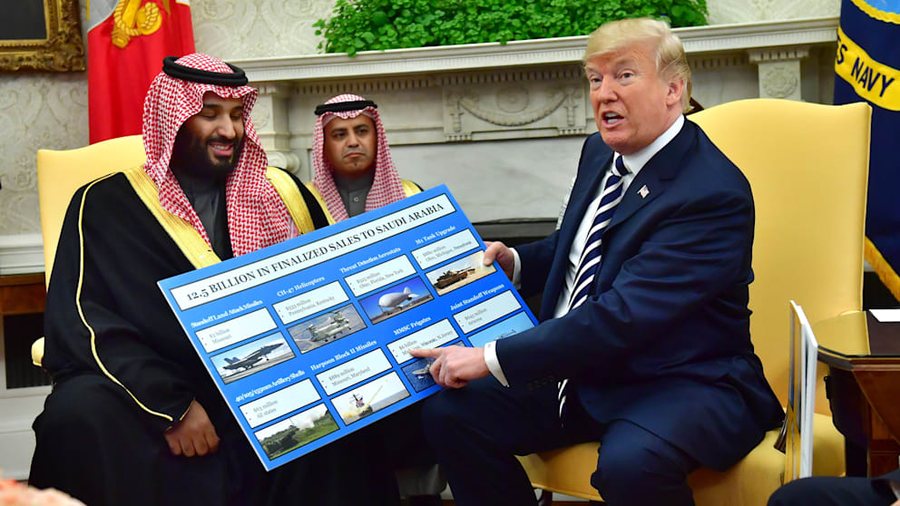
Revenues fall due to war with Iran
The conflict with Iran seems deadlocked and the Gulf states in particular are sliding towards a possible financial and economic crisis. First the war, now the escalation of the blockade in the Strait of Hormuz. Countries such as Saudi Arabia, Qatar, Kuwait and the United Arab Emirates (UAE) are suffering from disruptions in oil exports.
Revenue losses are estimated at between $45 billion and $70 billion since the start of the war. In the Emirates, the situation is also hitting tourism: hotels in the luxury metropolis of Dubai are partially empty. In March alone, according to data from the real estate platform CoStar, the number of visitors may have fallen by 830,000 to 1.1 million.
Normally, the Gulf states secure their dollar revenues through oil exports. Here, the dollar is the main currency, known in the sector as the “petrodollar.” But it is precisely these revenues that are falling because of the war with Iran. “Now it is about giving the system more liquidity in a tense situation,” explains Wikifolio and commodities trader Torsten Maus.
Expert explains the lack of dollars in the Gulf states
For the United States, it's about the stability of the financial markets. Bessent also aims to prevent forced sales of American assets. "With help from Washington, banks will not be forced to panic-sell US Treasury bonds just to secure dollars," Maus tells BILD.
“This measure increases liquidity in the banking sector, facilitates trade financing and stabilizes the import of goods.” He sees this swap line less as a bailout and more as a type of liquidity insurance.
Trump signaled support. "If I can help them, I would," he told CNBC.
However, politically this is sensitive: Democrats in particular emphasize the high costs of war with Iran for the US. “This is already costing us over a billion dollars a day – plus higher gas prices,” criticized Senator Chris Van Hollen (67).
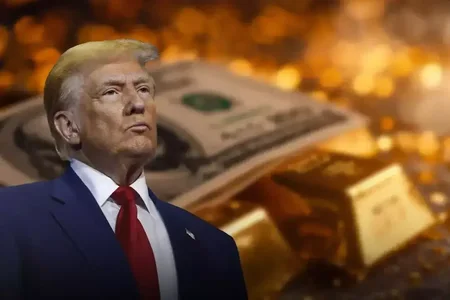
A potential aid package for wealthy Gulf states gives the opposition more room for criticism. It is also recalled that the Trump family has close business ties to the Gulf states, which raises suspicions that the willingness to help could be influenced by these relationships.




Trampi qe te le pershtypje jo te mire, po i ben zbor gjithe botes. Se ku do i dale fundi kesaj nje Zot edi.