


 Shkruar nga Pamfleti
The war in the Middle East risks triggering a global battle for gas, the price of which in Europe has increased significantly in recent days.
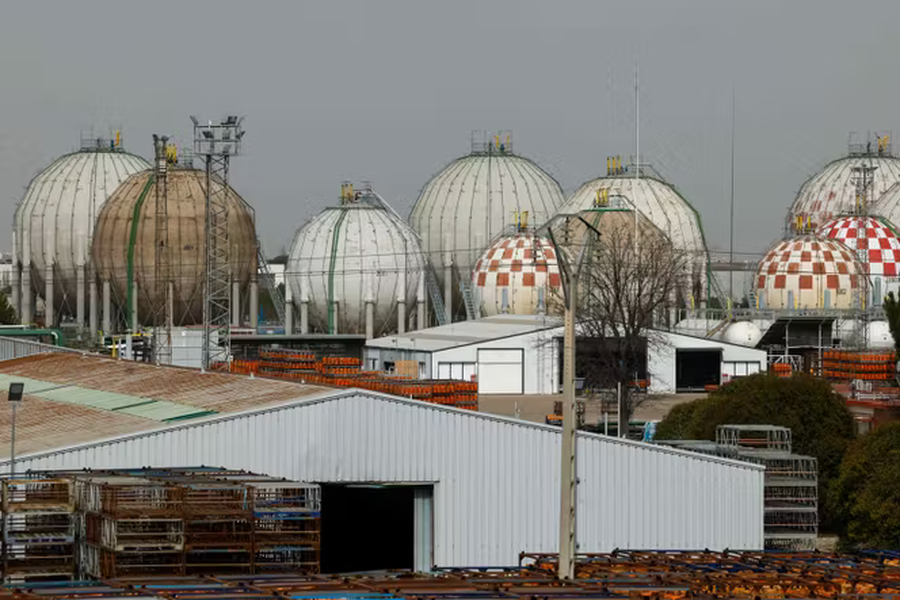
The global battle for gas has already begun, and Europe is on the front lines. Since Wednesday, March 4, at least four liquefied natural gas (LNG) carriers - these large ships with refrigerated storage that transport gas over long distances - have suddenly changed routes.
According to data from the maritime analysis company Kpler, these ships, which had set off from Africa and the United States towards France, Belgium and Spain, have diverted their course and headed for Asia.
The gas trade has been severely shaken by the war in the Middle East, which enters its second week on Saturday, March 7. No cargo is currently passing through the Strait of Hormuz, a sea corridor through which about 20% of global LNG trade usually passes each day.
In Qatar, the world's largest liquefied natural gas plant has been shut down since Monday after being hit by a drone attack from Iran.
Even if the conflict ends immediately, returning to a normal supply cycle will take "weeks, even months," Qatar's energy minister warned in an interview with the Financial Times on Friday.
Saad Al-Kaabi also warned Europe: even though the continent is not the region's main customer, it should prepare for serious consequences, as Asian buyers are expected to offer higher prices for any amount of gas available on the market.
Situation under control
This warning is expected to be taken seriously in Europe, four years after the energy shock caused by the war in Ukraine and Moscow's decision to cut off Russian gas supplies.
However, the current situation is different. Europe imports less than 10% of its LNG from Qatar and the United Arab Emirates, far less than Asia, which in 2025 absorbed almost 90% of Qatar's exports, according to Kpler.
In Brussels, European officials are currently trying to calm the situation. They emphasize that there is no immediate risk of gas shortages and that the situation remains under control.
However, after a harsh winter, Europe's gas reserves are only 29% full, much less than in the same period in 2025 and 2024.
The main risk is related more to price than supply. Since the start of the war, gas futures on the Dutch Title Transfer Facility (TTF) market – the reference market for Europe – have increased by around 60%, from 30 euros to over 50 euros per megawatt-hour (MWh).
Analistët më pak alarmistë vërejnë se kjo mbetet ende larg rekordit të vitit 2022, kur çmimi arriti rreth 340 euro për MWh.
Megjithatë, sipas Laurent David, delegat i përgjithshëm i Shoqatës Ndërkombëtare të Importuesve të GNL-së, tensionet mund të rriten nëse konflikti zgjatet.
“Tensioni do të rritet ndërsa konflikti vazhdon. Ky është një treg më pak likuid se nafta dhe burimet e mëdha të prodhimit janë të pakta”, tha ai.
Ndërsa Europa duhet të nisë së shpejti mbushjen e rezervave të saj, konkurrenca me Azinë në tregun “spot” ku gazi blihet dhe shitet çdo ditë, pritet të intensifikohet. Në këtë treg, si çdo mall tjetër, furnizimet shkojnë te blerësi që ofron çmimin më të lartë.
Që nga viti 2022, Europa është përpjekur të diversifikojë burimet e furnizimit për të zvogëluar varësinë nga gazi rus. Shtetet e Bashkuara janë shndërruar në një furnizues kryesor, veçanërisht përmes GNL-së, pesha e së cilës në importet europiane është rritur ndjeshëm.
Ky burim është konsideruar më i besueshëm dhe më fleksibël sesa gazi që transportohet përmes gazsjellësve. Megjithatë, Laurent David pranon se “kjo ide mund të bëhet më e vështirë për t’u mbrojtur tani”.
Pa masa të menjëhershme
Në rast të një rritjeje të fortë të çmimeve, hapësira për reagim është e kufizuar. Në pjesën tjetër të botës, uzinat e gazit të lëngshëm tashmë punojnë me kapacitet maksimal.
“Në vitin 2022 Europa shpenzoi gati 4 trilionë euro në subvencione për energjinë. Këtë nuk mund ta bëjmë sërish. Këtë krizë do të duhet ta përballojmë pa airbag”, tha Thierry Bros, profesor në Sciences Po Paris.
Sipas tij, goditja mund të jetë veçanërisht e rëndë për industrinë europiane, e cila sapo ka filluar të rimëkëmbet nga kriza e fundit e çmimeve të energjisë.
“Disa industri do të mendojnë: e përballova atë periudhë dhe qëndrova në Europë. Por kjo mund të jetë goditja e fundit. Nëse çmimi i gazit kalon sërish 100 euro për megavat-orë, disa fabrika mund të mbyllen dhe të zhvendosen në SHBA”, tha ai.
Në sektorë si industria kimike, prodhimi i qelqit dhe agroindustria, rritja e çmimit të gazit “ka tashmë një ndikim” në Europë, paralajmëroi të mërkurën Unioni i Industrive që përdorin shumë energji.
Ndërkohë, kompanitë nuk kanë shumë mundësi të kalojnë te nafta, pasi lufta ka rritur edhe çmimin e saj. Të premten, nafta Brent kaloi 90 dollarë për fuçi, niveli më i lartë që nga prilli 2024.
Nga ana tjetër, disa kompani energjetike mund të rikthehen te termocentralet me qymyr, karburanti më ndotës.
Në Itali, e cila importon rreth një të tretën e GNL-së nga Katari, ministri i Mjedisit dhe Sigurisë Energjetike Gilberto Pichetto deklaroi në televizion të mërkurën se vendi mund të riaktivizojë disa centrale të mbyllura nëse kriza përkeqësohet.
Franca, ndërkohë, thekson se mbështetet te parku i saj bërthamor, i cili – sipas Ministrisë së Financave – “prodhon me kapacitet të plotë” dhe mund të luajë “rol amortizues”.
This is a significant change from 2022, when corrosion problems in some pipes forced the shutdown of a number of reactors.
These tensions come at a time when the European Union is preparing to completely stop purchases of Russian hydrocarbons by the end of 2027. Russian LNG imports under short-term contracts will be banned as early as April.
Could this crisis change the European calendar?
The Director General of the International Energy Agency (IEA), Fatih Birol, stated in Brussels that "considering Russia as an alternative for gas supply because of the war in the Middle East would be economically and, in my opinion, politically wrong."
After a meeting with European Commission President Ursula von der Leyen, Birol called on Europe to invest more in renewable and nuclear energy to increase energy sovereignty and reduce dependence on fossil fuels.
Although no immediate measures are currently foreseen at the European level to curb price increases, fears of another strong wave of price increases have reopened the debate on how energy prices are determined.
France and Italy are seeking to change the rule under which the price of electricity is determined by the last power plant to enter the grid, usually a gas-fired plant.
In contrast, seven EU member states, including Denmark, the Netherlands and Portugal, urged the European Commission in a letter on Thursday not to change this mechanism. According to them, the priority should be to reduce dependence on “imported and expensive gas.”/ Adapted from Le Monde
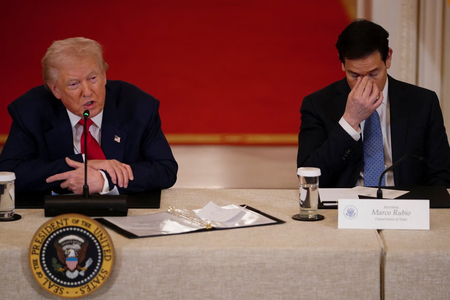



Amerika hap lufte dhe harxhon miliona dollare shpenzime por nga Ana tjeter fiton edhe me shume nga shitja e armeve qe harxhoen shtete si Izraeli apo vendet e tjera keto raketa qe duhet ti zvendesojne sepse I kane harxhuar nga keto luftra Po vendet qe humbasin miliarda lek ne tere boten nga rritja e karburanteve qe ndikojne kudo nga efekti zinxhir nga trasporti , buqesia , ushqimet e me radhe nuk ja u zvendeson njeri prandaj ne kete rast shumica e botes humbet miliarda lek nga kjo lufte me pak fjale populli ne tere boten per shkak te nje gabimi apo eksperimenti si Trump