


 Shkruar nga Pamfleti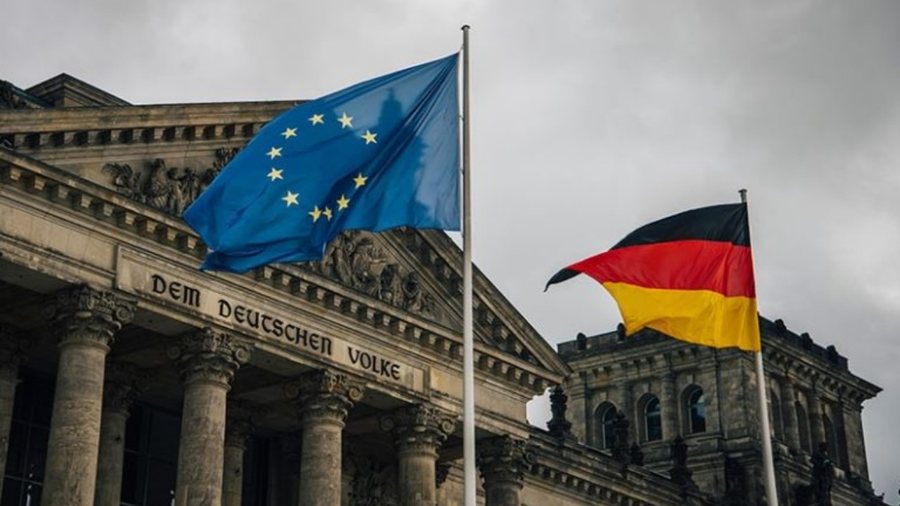
In 2023 it shrank by 0.3 percent, making it the world's worst-performing major economy.
In Davos last year, German Chancellor Olaf Scholz spoke of a "new German speed" that would set a benchmark for economic reform. A year on, Europe's biggest economy is starting to look more like a slow-moving car crash than a speeding engine.
In 2023 it shrank by 0.3 percent, making it the world's worst-performing major economy. This has been accompanied by political obstacles, nationwide strikes and a sharp decline in the popularity of the ruling coalition.
The economic downturn, which many analysts expect to continue this year, is a "wake-up call", according to Finance Minister Christian Lindner. Last week he sought to counter concerns at this year's Davos meeting that the country was once again becoming "the sick man of Europe".
His diagnosis: Germany is simply a "tired man" in need of "a strong cup of coffee," by which he meant structural reforms. But whether sick, tired or simply in transition, the German people should soon be convinced that the economy is heading in the right direction.
Popular anger is growing. The three parties in Scholz's coalition - the Social Democrats (SPD), the Greens and the Free Democrats (FDP) - have seen their combined share of the vote fall from over 50 percent at the end of 2021 to less than one the third today. More worrying for Germany and Europe is the growing popularity of the far-right Alternative for Germany (AfD), which is on track to win three regional elections in September. While anti-immigration rhetoric has bolstered her support, dissatisfaction with the ruling coalition has been another significant factor.
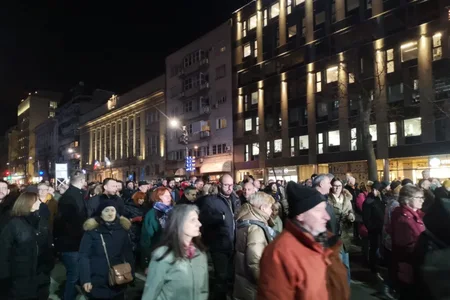
Scholz's plan to withdraw a €60 billion climate transformation fund to accelerate Germany's industrial modernization collapsed in November when its constitutional court ruled it illegal. The government had to freeze funds and plug a €17 billion hole in its budget with austerity measures. This included removing a diesel subsidy for farm vehicles that sparked angry protests by farmers earlier this month. Tractors attacked cities and blocked several highway junctions. The disruption to millions of passengers has been made worse by a strike by train drivers.
The unrest adds to the sense that the German economy is not working. Households and businesses have been hit hard by high energy costs and have low confidence. Industrial production is falling. The auto industry is struggling to compete amid a global trend toward electric vehicles. Meanwhile, skills shortages are high and the economy remains heavily dependent on trade with China. Bickering and policy glitches have added to doubts about the coalition's ability to lead the country forward.
An ambitious but ill-handled green policy requiring homeowners to replace gas boilers with heat pumps had to be changed after a public outcry. Some also question the efficacy of giant subsidies for semiconductor factories.
The coalition cannot be blamed for all of Germany's ills. The entire eurozone has been weighed down by high interest rates and inflation - which have pushed up union wage demands.
The constitutional debt ceiling, a rigid limit on the budget deficit, is partly to blame for a long period of underinvestment in railroads, bridges and schools. Farmers have recently organized similar protests in France and other EU countries. At the same time, the government has overseen a dramatic shift away from Russian natural gas and pushed reforms to cut red tape, encourage skilled immigration and accelerate the spread of renewable energy.
A social justice-focused SPD, a Green party committed to fighting climate change and the fiscally tough FDP were always going to be difficult bedfellows. But creaking infrastructure, high energy costs and weak digitization need to be addressed much more quickly to help modernize and diversify the economy. Easing the brakes on debt to allow borrowing to finance public investment would be a start. The hodgepodge coalition must get its act together to stop the decline in the German economy and its own popularity. The fear of the rise of the extreme right should make the government wake up./ Adapted "Pamphlet" from "Financial Times"



Lini një Përgjigje