


 Shkruar nga Pamfleti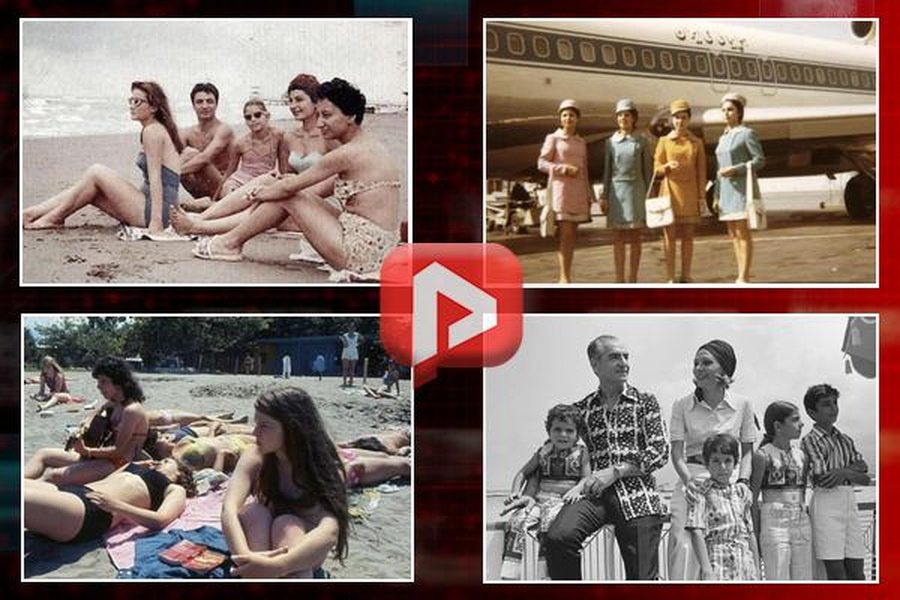
How Iran went from a country where freedom flourished to an Islamic Republic...
From 1941 to 1979, Iran was ruled by King Mohammad Reza Pahlavi, known as the Shah. During his nearly four decades of rule, the country underwent profound social and economic transformation. He implemented secular reforms and strongly encouraged rapprochement with Western political, social, and economic models.
Industry and education were developing rapidly, cities were modernizing, and society was changing faster than ever before. At the same time, the political system became increasingly closed. The restriction of political freedoms and the abolition of multi-partyism over time created great discontent, which culminated in the Islamic Revolution of 1979 and the establishment of the Islamic Republic.
Geopolitical importance and reliance on the West
During the Cold War, Iran was of immense strategic importance. Its vast oil reserves, its position between the Middle East and South Asia, and its long border with the Soviet Union made it a key partner of the Western powers. Great Britain and the United States provided strong political and economic support to the Shah's regime, seeing it as a stable ally in an unstable region.
On the other hand, the government rapidly modernized industry, infrastructure, and society along Western lines.
Despite external support, internal politics were plagued by deep divisions. The pro-Western orientation provoked resistance from communist groups and religious leaders.
In 1953, a dramatic turn of events occurred. After a failed attempt to overthrow Prime Minister Mohammad Mossadegh, the Shah briefly fled the country. A new coup attempt soon followed, this time successful, after which Mossadegh was ousted from power. His decision to nationalize the oil industry caused serious discontent in Britain. After the coup, the Shah returned to Iran and further consolidated his power.
Modernization of society and changing lifestyles
Upon his return, the Shah embarked on an ambitious modernization program aimed at transforming Iran into a modern state based on the Western model. Central authority was strengthened, often at the expense of traditional tribal structures and local autonomy.
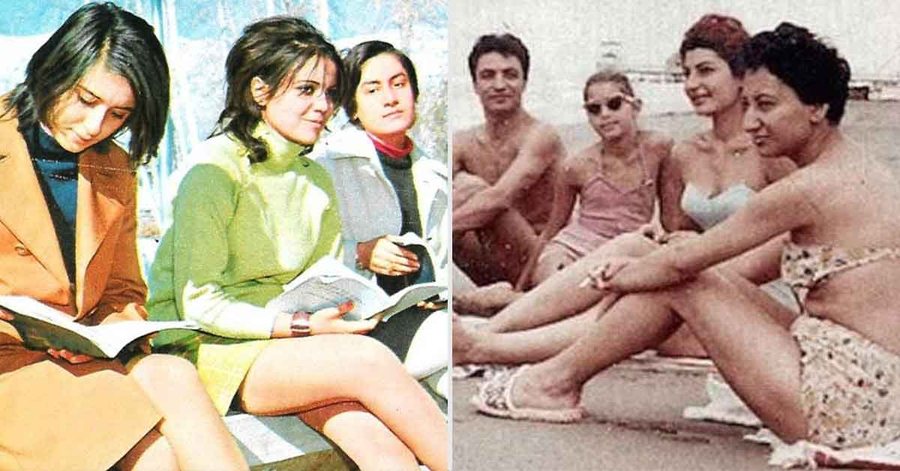
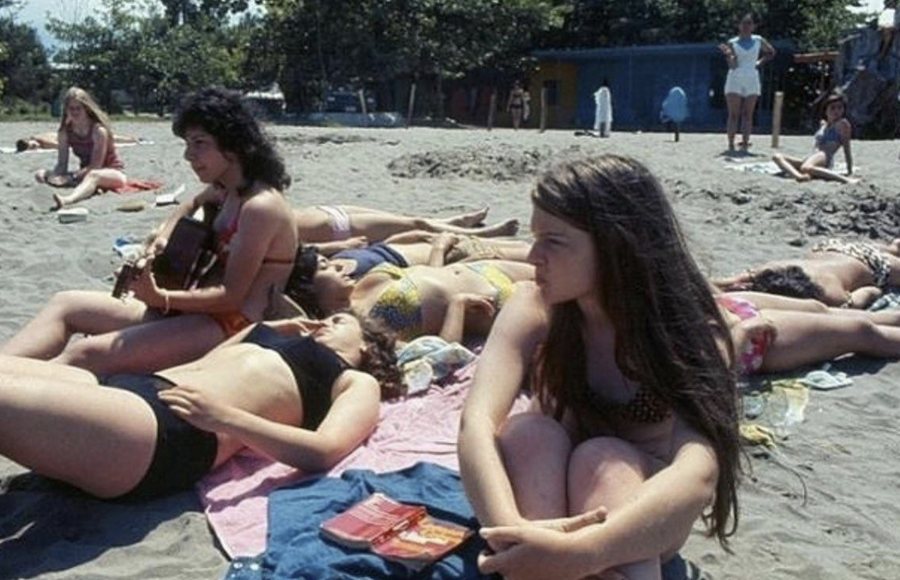
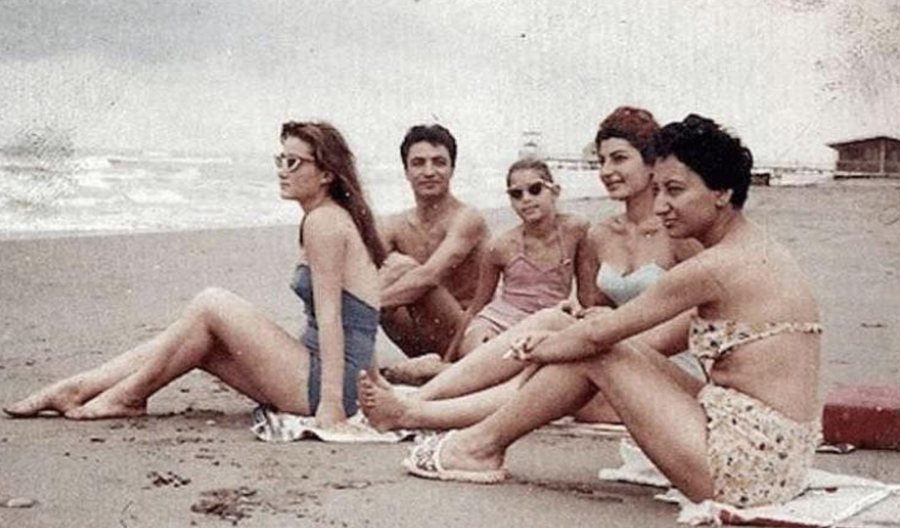
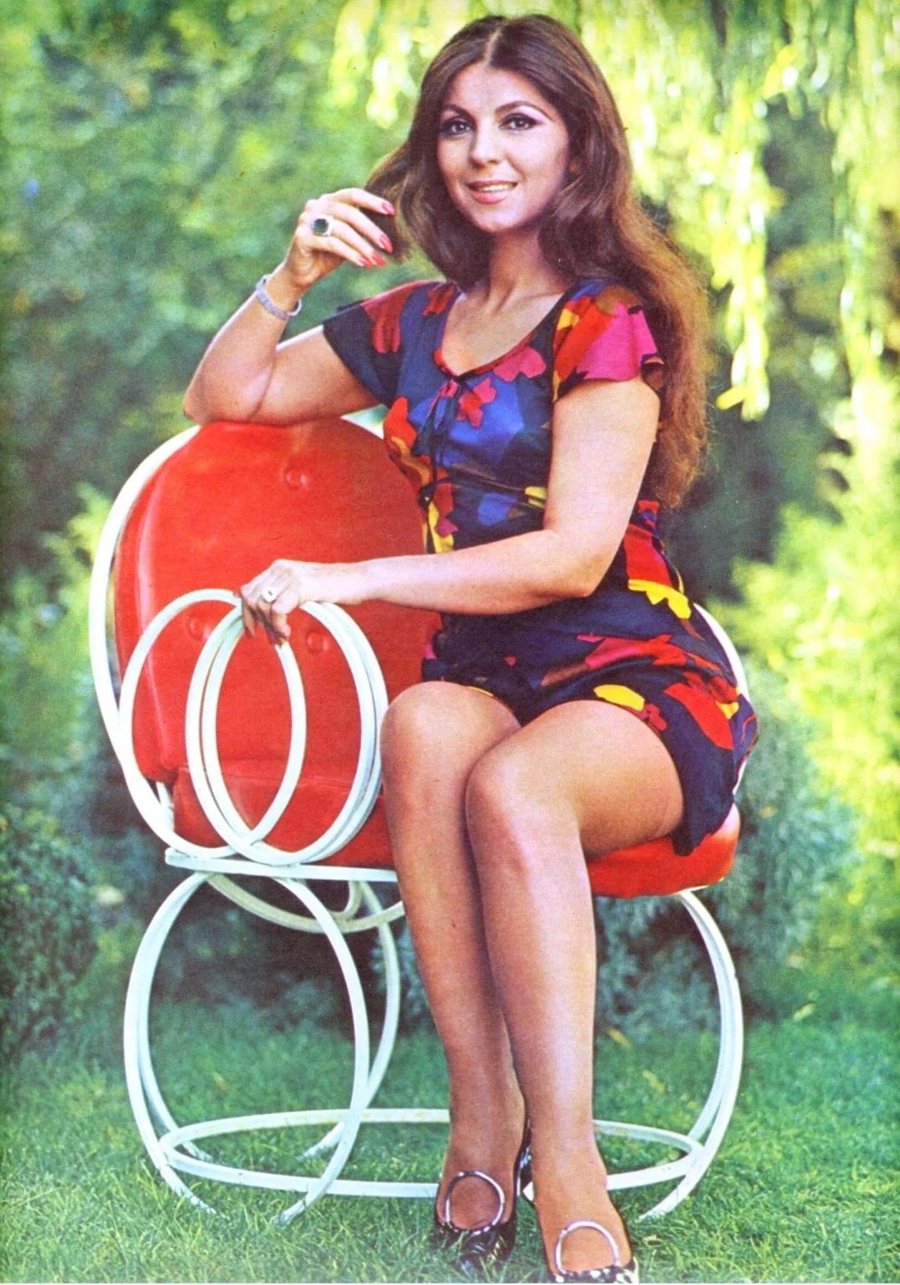
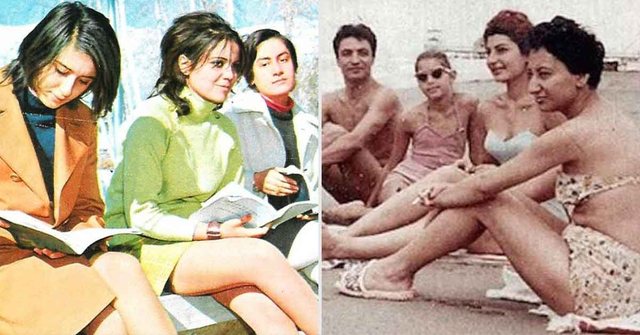
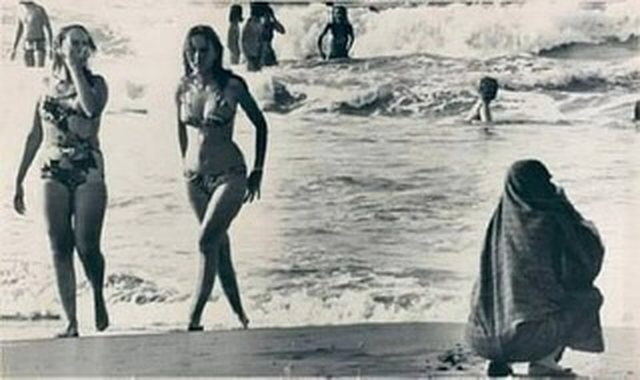
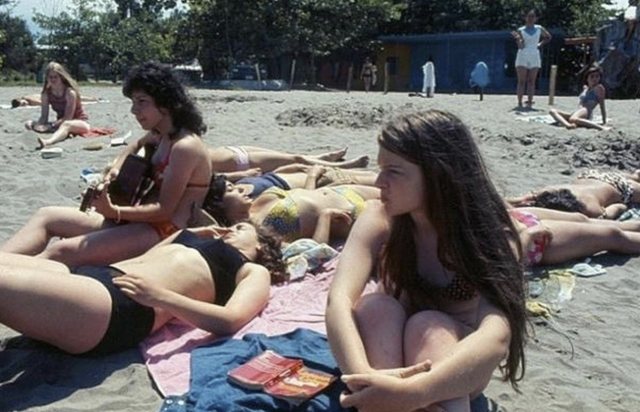
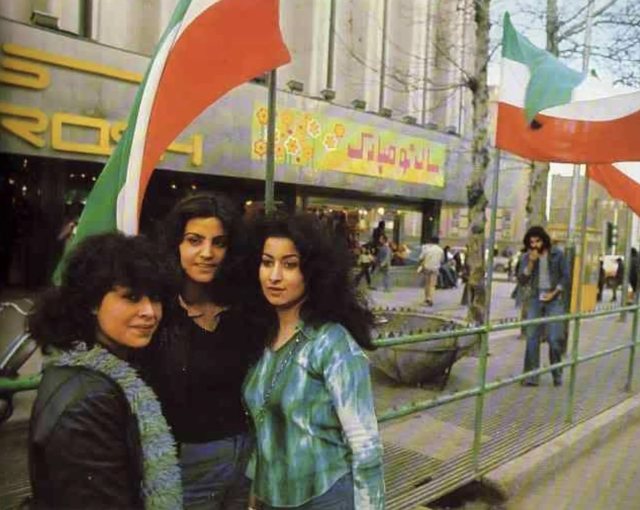
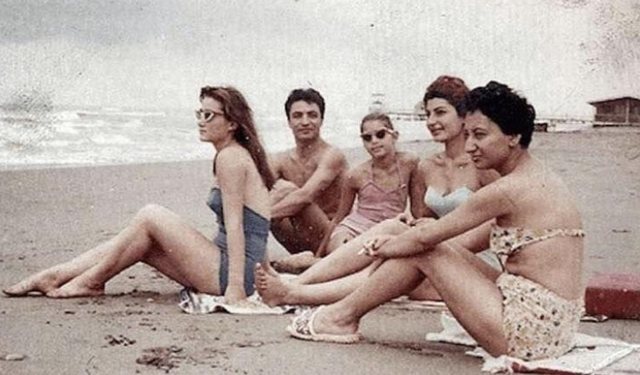
Particular attention was paid to the education and status of women. Girls' education was encouraged, civil rights were extended to women, and the mixing of men and women in public spaces became increasingly common in large cities. Western styles of dress and behavior increasingly dominated urban areas.
At the same time, the government sought to limit the political and social power of religious institutions. Among the most controversial measures was the ban on wearing the veil in public, which provoked strong resistance from a section of the population that saw the reforms as an attack on religious tradition and identity.
The royal family as a symbol of the new era
The court played a significant role in shaping the country's modern image. In 1951, the Shah married Soraya, who wore a Christian Dior wedding dress, further symbolizing his turn to the West. Having produced no heir, they divorced in 1958.
During that period, Iran became a destination for many world officials and dignitaries, and the royal family maintained close ties with the international political and social elite, including Winston Churchill.
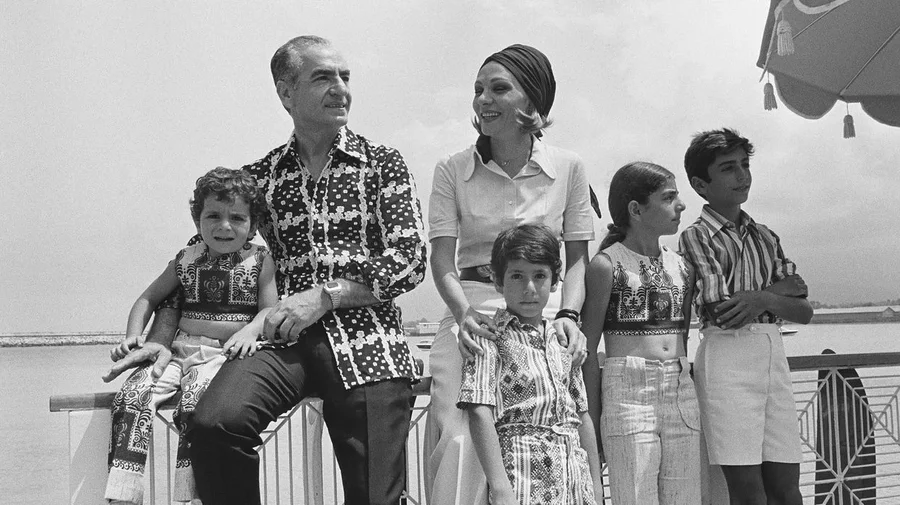
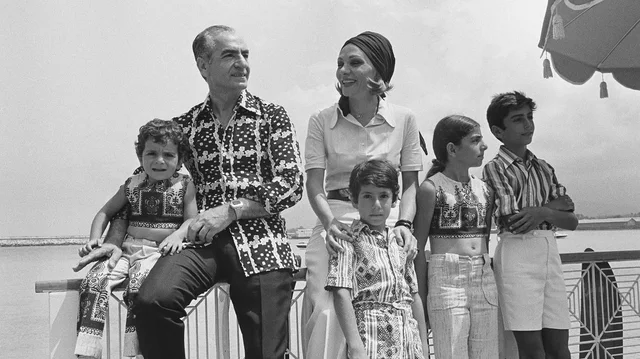
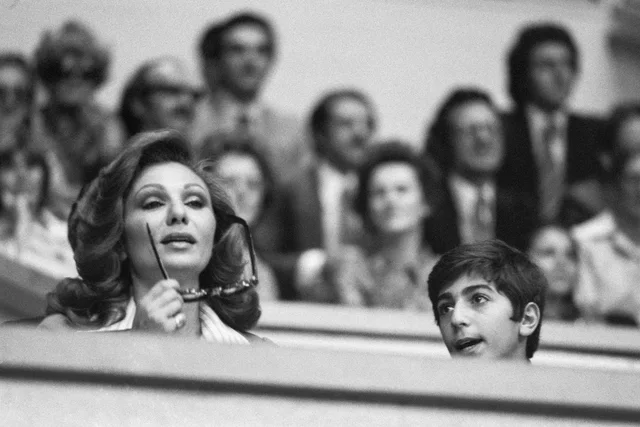
In 1959, the Shah remarried to Farah Diba, with whom he had four children. However, political turmoil in the late 1970s made it impossible for the dynasty to continue on the throne.
Centralization of power and the end of the monarchy
As his reign drew to a close, the Shah sought to strengthen his national identity by drawing on the glorious history of the Persian empires. At his coronation in Tehran in 1967, he assumed the title Shahanshah, meaning "king of kings." Numerous celebrations were held to celebrate Persia's historical greatness.
Rising oil prices and the region's relative stability contributed to the development of an urban middle class, but political space became increasingly restricted. By 1975, the multi-party system was abolished and only one party was allowed to operate. All political power was concentrated in the hands of the ruler.
Discontent with the regime's corruption, oppression, human rights violations, and extravagant lifestyle grew year after year. On January 16, 1979, the Shah fled Iran in the face of mass protests and a popular uprising. The movement that began as a broad resistance to the secular authoritarian regime was gradually taken over by Ayatollah Khomeini, who abolished the monarchy and ushered in a completely new political era for Iran, writes Index.hr.
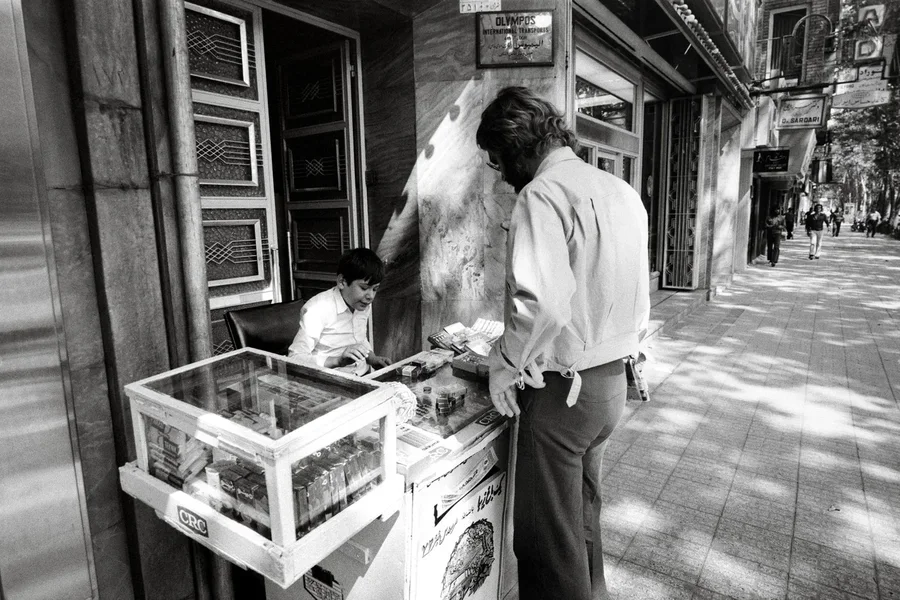
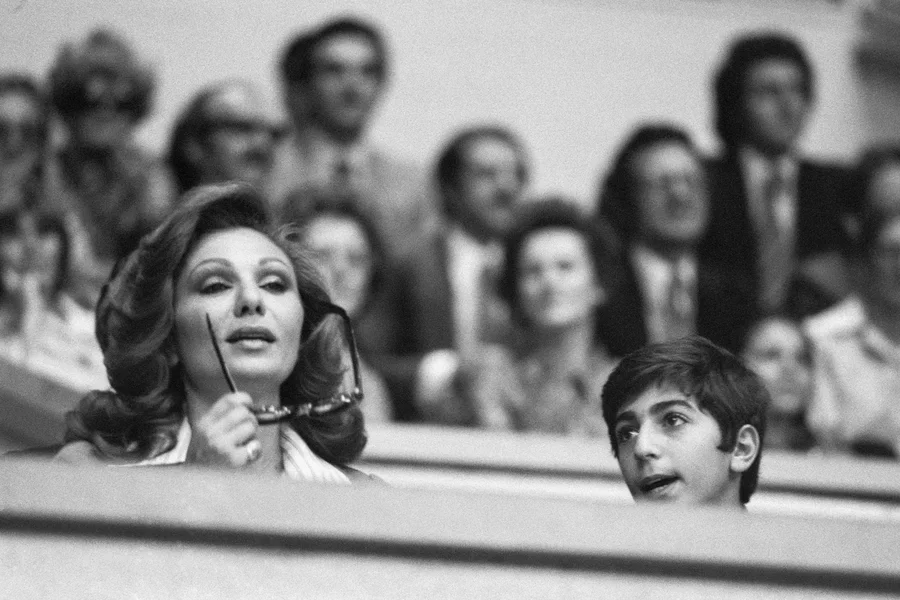
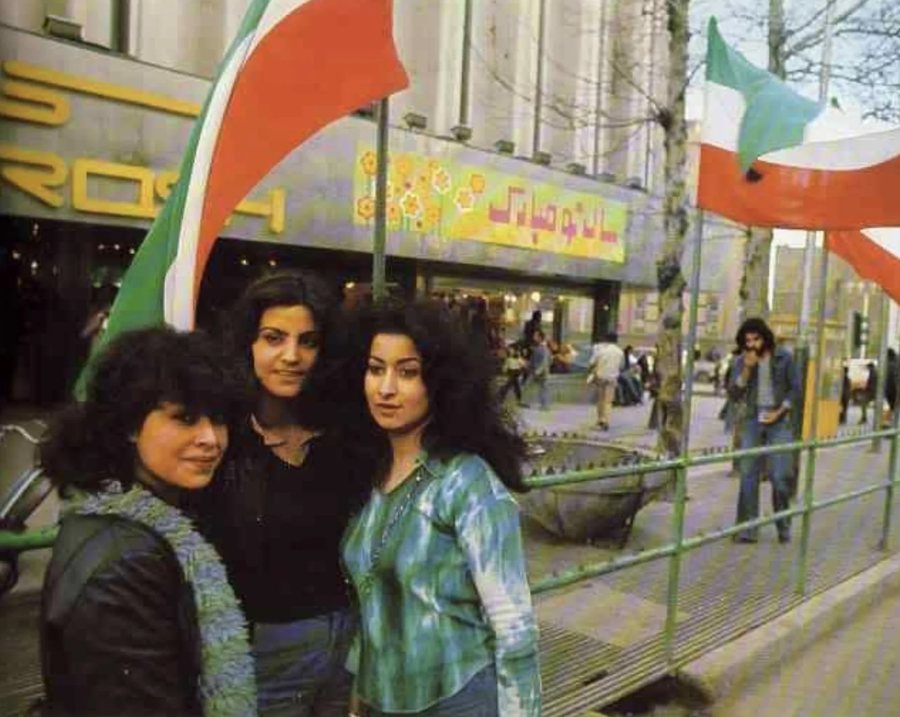
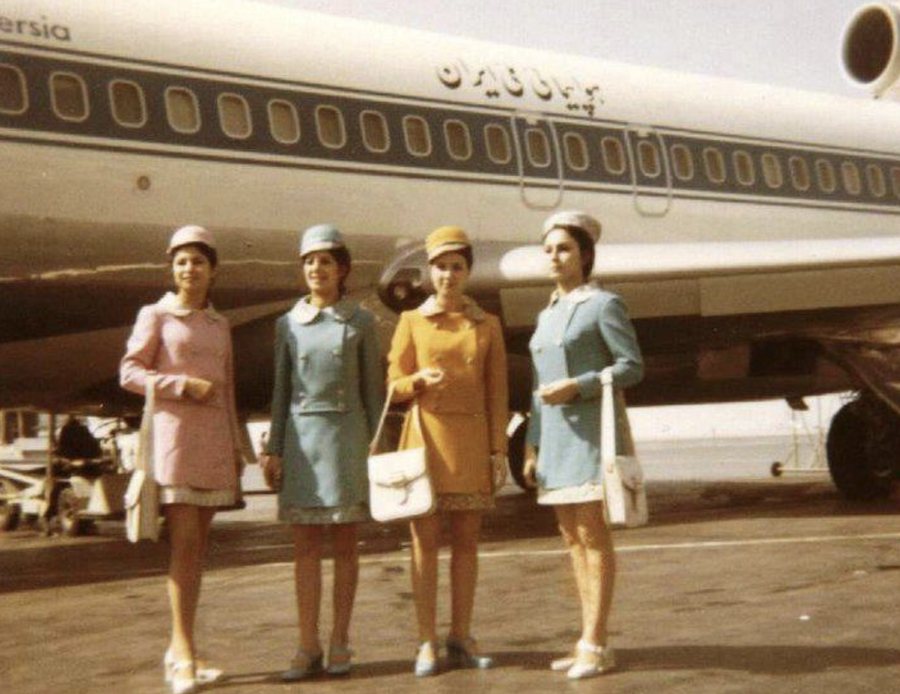
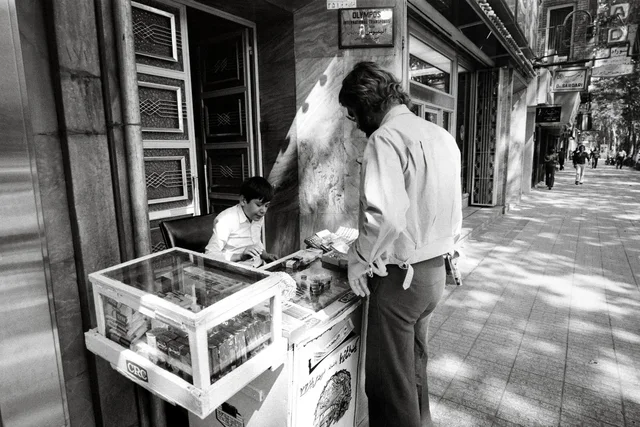
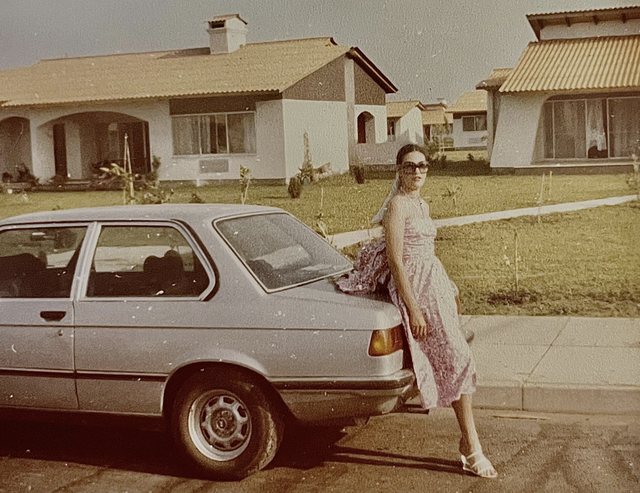
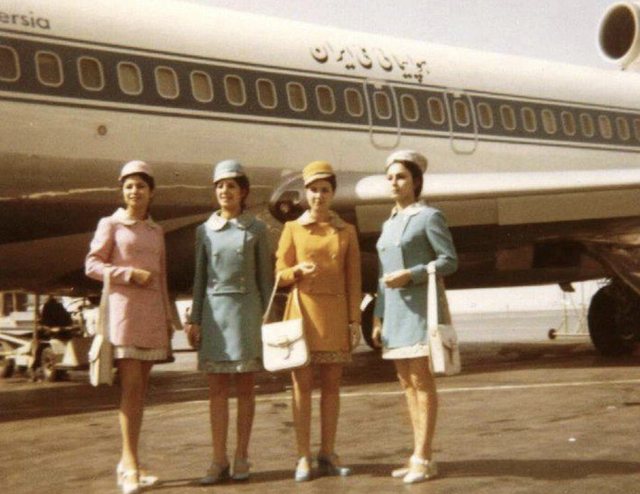
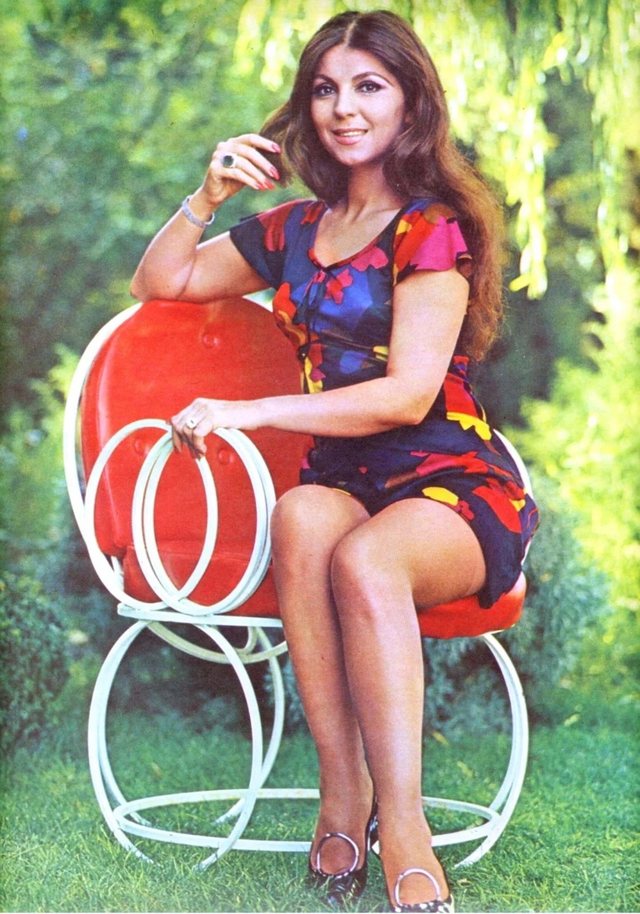
Photos from that period today testify to a different Iran - urban, modernized and strongly oriented towards the West - that many no longer remember. / Pamphlet




I drejtohem :Pamfleti:A e njihni jetën reale në Iran?!..Irani ka më shumë liri se Shqipëria...Irani është vendi që ka shkencëtarët më të mëdhenj të fushës së kimisë dhe energjitikes Burrat dhe gratë iraniane janë njerëz me shumë kulturë...Irani ka universitetet më të shquara në botë...Ka shumë anë të mira ..Ajatollahu ishte profet shpirtëror,si Papa për botën katolike,por s'mund të thuash që Italia,Franca,Spanja janë shtete antidemokratike....liria e besimit është liri universale...dhe nuk mund të abuzoni me Iranin.Është zgjedhje,jo zgjidhje...por pse s'flisni për Anglinë,Belgjikën,Hollandë,Suedinë që janë akoma mbretëri?!...A ka edhe atje shkelje të të drejtave të njeriut?! Padyshim që ka ..por meqë janë pjesë e Bashkimit europian...i quajnë 'vende demokratike ',ku historia na ka treguar se ku ka një mbret,atje ka sundim kundër popullit... Faleminderit
Të paktën dy rreshta opinion shqiptar sa për tu dukur pak ndryshe nga përralla që ka kohë që qarkullon. Atë kohë e dinë dhe e mbajnë mend më mirë iranianët.
Shahun e rrëzoi në 1979 CIA, British Petrolium dhe manjatët e naftës. Franca e solli në Iran me avion special Khomeinin që jetonte në Paris.