


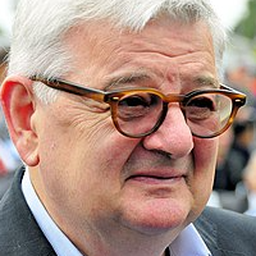
 Shkruar nga Joschka Fischer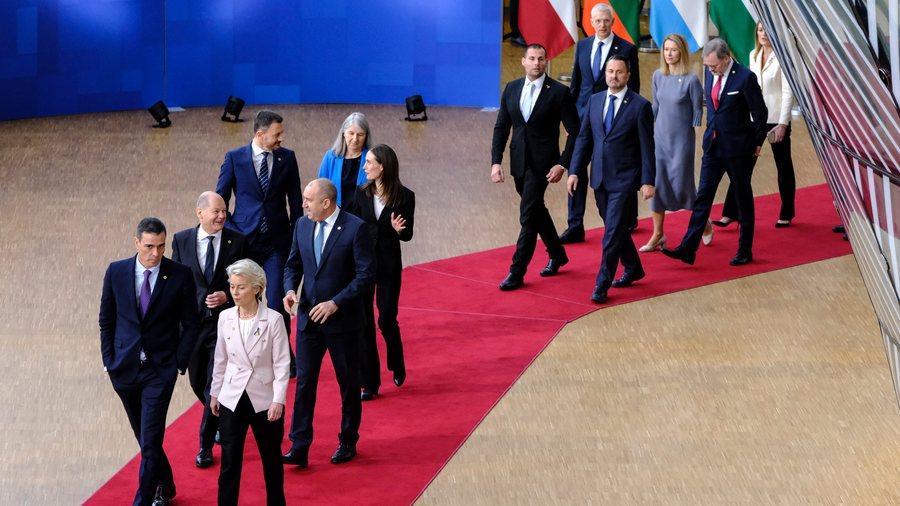
Meeting the challenges requires bold and transformative measures that will fundamentally change our world and national divisions are a luxury that Europe can no longer afford...
The invasion of Ukraine by the Russian President Vladimir Putin has again plunged Europe into the darkest chapters of its history. The continent is currently facing its worst nightmare: a full-scale war of conquest.
After several decades of relative peace and stability, the prospect of a forceful revision of European borders, and the disappearance of sovereign states from the map, has suddenly appeared. In the conditions where Russia has chosen aggression instead of peaceful cooperation, it is more and more obvious that the Ukrainians are fighting for the freedom of Europe, but of course also for their own freedom.
History has a way of correcting misconceptions and illusions. After the fall of the Berlin Wall in 1989, which heralded the end of the Cold War, a new sense of optimism animated Europe. The Brandenburg Gate was reopened, the Red Army withdrew from the Warsaw Pact countries, and the Soviet Union dissolved.
The "end of history" was very close, and Emmanuel Kant's utopian vision of "permanent peace" seemed attainable. The Europeans, especially the Germans, driven by the euphoria of
reunification, were caught up in this illusion until recently. Alas, things turned out differently.
Instead of achieving permanent peace, the collapse of the Cold War bipolar order gave birth to a multi-polar world dominated by various continental and sub-continental powers, and characterized by the growing rivalry between the two superpowers of the century XXI: The United States of America and China.
Since coming to power in 1999, Putin has sought to reverse the outcome of the Cold War, and restore Russia's status as a world superpower, primarily through military means. For this reason, Putin's Russia turned its back on the
post-1989 European consensus, and has attempted to return to the norms of a bygone era.
The changing geopolitical landscape over the past 2 decades has coincided with the digital revolution. While the US and China are at the forefront of radical technological change, Europe still lags far behind. Given its geopolitical, economic and security vulnerabilities, the outlook for Europe looked bleak even before it faced the renewed threat of war on its soil.
Duke pasur parasysh kërcënimin që vjen nga ambiciet ekspansioniste të Rusisë, vendet evropiane duhet të bashkëpunojnë midis tyre për të arritur një unitet më të madh politik dhe ushtarak. Megjithatë, pavarësisht leksioneve që na dhanë dy Luftëra Botërore dhe një Lufte
të Ftohtë dhjetëvjeçare, bashkimi i vërtetë europian dhe sovraniteti i përbashkët mbeten të paarritshme, për shkak të diversitetit gjuhësor dhe kulturor të kontinentit.
Ndërsa vazhdon agresioni ushtarak i Putinit në Ukrainë, joshja nga identiteti kombëtar në Europë, e tejkalon dukshëm frikën e kërcënimeve të jashtme, qoftë nga Rusia apo nga qasja e re izolacioniste e SHBA-së dhe rivaliteti i rritur me Kinën, në rast se Donald Trump do të rikthehet në Shtëpinë e Bardhë pas zgjedhjeve presidenciale të vitit të ardhshëm.
Megjithatë, derisa të arrijë bashkimin e vërtetë, Europa nuk do të jetë në gjendje të rifitojë statusin e saj si një fuqi e madhe në botën shumë-polare të shekullit XXI. Në një peizazh global të dominuar nga superfuqitë, Europa rrezikon të mbetet e varur nga aleanca e saj me
SHBA-në, duke e pozicionuar veten si një partnere e vogël, një vartëse, dhe jo si një entitet realisht sovran.
Por mbetet ende për përgjigje pyetja:A e ka ende Europa besimin që kërkohet për të luajtur një rol të spikatur në skenën globale? Për t’u ngritur në lartësinë e kësaj sfide, vendet evropiane duhet të kapërcejnë pengesa serioze dhe të forcojnë kapacitetet e tyre politike dhe
ushtarake.
Lufta e Putinit në Ukrainë, shënon një moment vendimtar për rendin global dhe në ndryshim të vazhdueshëm të këtij shekulli, si dhe për pozicionin e Europës brenda tij. Duke pasur parasysh rreziqet e paraqitura nga një tjetër presidencë e Trump, si dhe nga zhvendosja e
fokusit gjeopolitik të Amerikës drejt Paqësorit, politikë-bërësit evropianë duhet të marrin masa për të siguruar mbijetesën e Europës, edhe nëse SHBA-ja nuk është më në gjendje ose nuk dëshiron që të shërbejë si një mburojë për kontinentin.
Përndryshe, evropianët mund ta gjejnë veten duke jetuar përherë nën kërcënimin e agresionit rus, dhe duke iu përkulur çdo teke të Kremlinit. Për ta zbutur këtë rrezik, objektivi kryesor i Europës duhet të jetë forcimi i aftësitë e saj parandaluese ushtarake në tokë, në det dhe në
ajër.
Duke pasur parasysh përvojën e Ukrainës, kjo detyrë duhet të ketë përparësi ndaj konsolidimit të financave publike apo prezantimit të programeve të reja sociale. Masat e brendshme, sado të dëshirueshme qofshin, do të duhet të presin për më vonë.
Siguria është vetëm një nga tre sfidat e mëdha strukturore me të cilat përballet aktualisht Europa. Përveç ringjalljes së tensioneve gjeopolitike dhe rikthimit të luftës në kontinent, ajo duhet të përshtatet edhe me zhvendosjen e përshpejtuar drejt Inteligjencës Artificiale dhe tranzicionit drejt energjisë së pastër.
Meeting these challenges requires bold and transformative measures that will fundamentally change our world. With its internal heterogeneity, Europe has often been unwilling or unable to engage in great power politics. But the current moment offers an unexpected and unprecedented opportunity to play a role with global impact. National divisions are a luxury that Europe can no longer afford. / Project Syndicate"



Lini një Përgjigje