


 Shkruar nga Pamfleti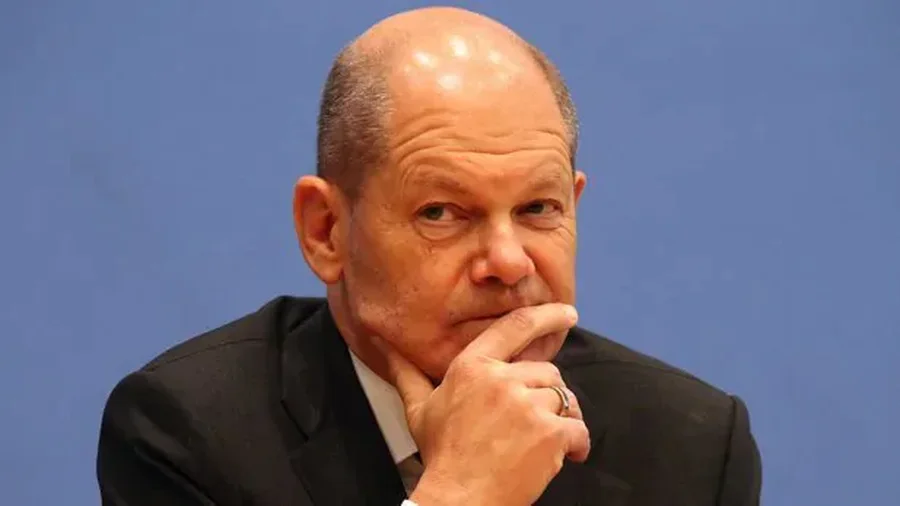
At the end of the summer holidays, Chancellor Olaf Scholz and the coalition ministers met in Meseberg to talk without gloves about the problems and quarrels within the coalition, about the stagnation, the threat of economic recession and what can be done against this pessimistic state within the German economy. .
Another topic was the performance of the coalition government with the debates between ministers that have damaged the image of the government. Less debate more governance, the SPD, the Greens and the liberals agreed on this. But will this promise help?
Germans no longer have much faith in the governing coalition. Only 19% of them are satisfied with the government's work, according to a survey by the ARD television, Deutschlandtrend conducted by the Infratest-Dimap institute. At the end of August, 1,310 citizens with the right to vote were asked about this survey. Dissatisfaction is high even among supporters of a party. Especially supporters of the FDP have problems with the coalition where the liberal party co-governs, four out of five people exercise open criticism.
It is not unusual for governments to lose support when they start their work. However, other governments have managed to regain the trust of the citizens months before the half of the legislative period. The coalition government has not yet succeeded in regaining confidence, although half of the legislature has been reached. This is also reflected in the respondents' answers; if a new coalition parliament of social democrats, Greens and liberals were to be elected now, it would no longer have a parliamentary majority as before.
Meanwhile, the CDU/CSU is leading in voter preference with 29%, followed by the AfD with 22%. The chancellor's party, Scholz, SPD reaches only 16%. The Greens have fallen to 14%, and the Liberals to 6%. The Left with 4% would not be able to enter a new Bundestag. What stands out is the dissatisfaction of the Germans with Chancellor Scholz. According to this survey, the lack of preference towards him reaches a new negative record. Only every fourth voter is satisfied with the work of the German chancellor.
Në Meseberg kancelari gjerman vendosi me kabinetin e tij një plan 10-pikësh të fokusit tek ekonomia. Sipërmarrjet do të marrin lehtësime miliardëshe tatimore dhe do të reduktohet burokracia. Masat për rigjallërimin e ekonomisë i përgjigjen edhe shqetësimit kryesor të gjermanëve. Sipas sondazhit të ARD gjendja ekonomike vlerësohet më negativisht se herët e mëparshme. 73% e të anketuarve e shohin atë si jo të mirë ose të keqe. Vetëm tek përkrahësit e partisë Të Gjelbrit gjendja vlerësohet e mirë.
Ndërkohë gati gjysma e të anketuarve në 12 muajt e ardhshëm llogarisin keqësim të gjendjes ekonomike. Dobësimi ekonomik është problemi më i madh, me të cilin lufton Gjermania aktualisht, sipas të anketuarve. Krahasuar me të kaluarën çështjet e koniunkturës dhe ekonomisë kanë fituar rëndësi më të madhe këto muajt e fundit.
Even the topic of migration and refugees is viewed as a priority by German citizens surveyed, almost as important as the economy. And concern about the war in Ukraine has lost the importance it had before. Another important topic for citizens is social justice. In Germany there is growing concern about the distribution of social welfare. Eight out of ten respondents say that there is no social justice in Germany.
To support families, the government coalition established basic insurance for children. 60% of citizens see this as a positive step. Regarding the subsidization of the energy price for branches of the economy with high energy consumption, citizens are reserved. Only four out of ten respondents support this idea. Many more respondents, 72% support a higher cap on rental prices./ DW




Lini një Përgjigje