


 Shkruar nga Pamfleti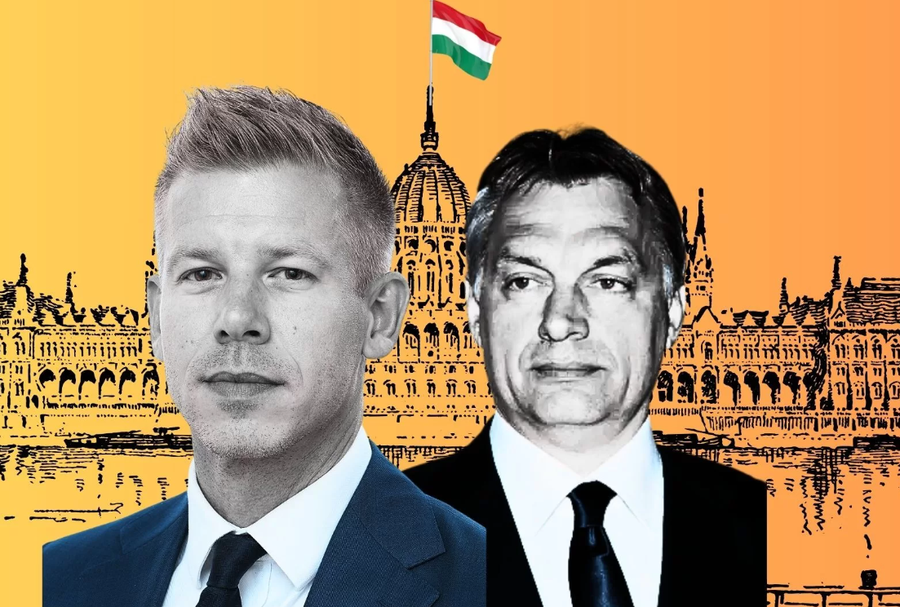
Péter Magyar adopts the language of sovereignty and skepticism towards Brussels, becoming the most serious challenge for the Hungarian prime minister
According to an analysis published by Politico, Viktor Orbán is facing an unusual political challenge: an opponent who uses against him the same nationalist rhetoric that has kept him in power for more than a decade.
As Hungary heads to elections in April, conservative opposition leader Péter Magyar has emerged as the prime minister’s most serious challenger. He has appropriated the language of national sovereignty and European Union skepticism, central elements of Orbán’s discourse, and is using them to target the balance of his government.
This strategy has helped Magyar climb in the polls, but it has also dampened hopes in Brussels that he would represent a clear pro-European break from Orbán's confrontational style.
According to his associates, Magyar's goal is to push voters to ask what the prime minister's nationalist rhetoric has actually produced.
“It’s not that we’ve turned his nationalist language against him,” said Márton Hajdu, the Tisza party’s chief of staff in the European Parliament. “We’re turning his lies about defending Hungarian national interests against him.”
Challenging Orbán on his own turf
Magyar, a former insider in Orbán's nationalist Fidesz party, has moved to challenge the prime minister on some of the most sensitive issues of Hungarian nationalism: the protection of ethnic Hungarians living outside the country's borders and the treatment of the Roma minority within Hungary.
Fidesz has historically secured strong support from ethnic Hungarians abroad by granting them citizenship and voting rights, including their protection in the constitution, and by funding Hungarian-language schools and media that promote the ruling party's narrative.
However, some recent developments have created room for action for Magyar.
A moment of tension occurred late last year, when Slovak Prime Minister Robert Fico passed legislation criminalizing public criticism of the Beneš Decrees, a set of post-World War II laws that stripped ethnic Hungarians and Germans in what was then Czechoslovakia of their citizenship and property.
While Orbán, who has collaborated with Fico in relations with Brussels, reacted cautiously, Magyar publicly called on Bratislava to withdraw the law and accused his rival of sidestepping the issue. Since then, both sides have escalated their rhetoric.
“Qasja fillestare e kujdesshme e Orbánit pasqyron një kompromis strategjik,” tha Márton Bene, analist në Institutin TK për Shkencat Politike. “Orbán nuk donte të rrezikonte atë marrëdhënie [me Ficon] për një çështje pakice që mund të provokonte konflikt me Bratislavën.”
Një dinamikë e ngjashme u zhvillua në Rumani, ku Orbán mbështeti kandidatin presidencial të ekstremit të djathtë George Simion, pavarësisht historikut të tij me veprime kundër hungarezëve. Pasi votuesit hungarezë etnikë mbështetën në shumicë dërrmuese rivalin e Simionit, Magyar organizoi një marshim nga Budapesti drejt qytetit Oradea, me shumicë hungareze, duke e paraqitur qëndrimin e Orbánit si tradhti.
Magyar ka folur gjithashtu në mbrojtje të komunitetit rom në Hungari, pasi një figurë e lartë e Fidesz-it e ofendoi këtë grup, i cili tradicionalisht përbën një bazë të rëndësishme elektorale për partinë në pushtet.
Nga ana e saj, qeveria hungareze theksoi në një deklaratë se ka mbrojtur vazhdimisht ruajtjen e identitetit të komuniteteve hungareze jashtë kufijve.
Mes Brukselit dhe Budapestit
Pozicionimi i Magyarit duket se i ka sjellë përfitime në sondazhe. Sipas përmbledhjes së sondazheve të Politico, partia e tij Tisza renditet me 49 për qind, ndërsa Fidesz me 38 për qind.
Megjithatë, kjo qasje ka ndërlikuar pritshmëritë në Bruksel për një rivendosje të shpejtë të marrëdhënieve me BE-në pas viteve të përplasjeve me Orbánin për shtetin e së drejtës, migracionin dhe mbështetjen për Ukrainën në luftën kundër Rusisë.
Magyar ka sqaruar se nuk synon të krijojë një tjetër problem iliberal për Bashkimin Evropian. “Strategjia e Magyarit deri tani nuk ka qenë të tejkalojë Orbánin në nacionalizëm, por të ekspozojë hendekun mes retorikës nacionaliste dhe dështimeve në qeverisje,” tha Rudolf Metz, politolog në Institutin TK në Budapest. Sipas tij, nga këndvështrimi i Brukselit kjo e bën Magyarin një rrezik më pak të paparashikueshëm dhe potencialisht një faktor stabilizues.
Në të njëjtën kohë, ai është kujdesur të mos shihet si shumë i afërt me Brukselin. Në një intervistë për Politico në vitin 2024, ai deklaroi se nuk “beson në një supershtet evropian”.
“Tisza është një parti plotësisht pro-hungareze,” tha Hajdu. Ajo do të përfaqësojë interesat hungareze “brenda BE-së, jo jashtë saj dhe jo kundër saj”.
Ky ekuilibër reflektohet edhe në pozicionet politike të shpallura nga partia. Eurodeputeti Zoltán Tarr deklaroi për Politico se Tisza synon të ruajë gardhin kufitar, të kundërshtojë kuotat e detyrueshme të migracionit dhe përshpejtimin e anëtarësimit të Ukrainës, të ndjekë paqen, të luftojë propagandën ruse dhe të forcojë bashkëpunimin rajonal në kuadër të V4 (Hungaria, Polonia, Çekia dhe Sllovakia), si dhe të forcojë Evropën Qendrore pa e pozicionuar Hungarinë si “problematikja e Evropës”.
However, Magyar’s positioning has occasionally put him at odds with Brussels. Domestically, he has focused on the cost of living, distributing firewood to rural areas during periods of extreme cold and promoting housing support programs. He has also presented himself as a defender of Hungarian farmers, opposing the trade deal with Mercosur, supported by European Commission President Ursula von der Leyen, and joining farmers’ protests in Strasbourg, where he accused Fidesz of “abandoning” them.
On Ukraine, Magyar has maintained a cautious tone: he recognizes Russia as the aggressor, but, like Orbán, rules out sending troops or supplying weapons. The biggest clash with the European establishment occurred in the European Parliament, when Tisza’s seven MEPs were sanctioned by the European People’s Party, their political group, after they did not participate in the vote of confidence in Ursula von der Leyen in January. As a disciplinary measure, they were banned from giving speeches in plenary sessions or taking on rapporteur roles for six months.
“The Tisza elected representatives in the European Parliament take note of the decision,” Magyar wrote on Facebook. “At the same time, we are grateful for the confirmation from Brussels that the Tisza politicians have no owners.”
Orbán reacted immediately, accusing Tisza of hypocrisy for not voting against the Commission president. “Empty chairs, empty promises. The fate of Hungary was at stake and the Tisza Party didn’t even bother to go to the polls. For them, Brussels comes first,” he declared.
According to Politico's analysis, the April elections will show whether Magyar's strategy, using nationalism to challenge his own political architect, will be enough to change the balance of power in Hungary. /Adapted from Pamphlet /


Lini një Përgjigje