


 Shkruar nga Pamfleti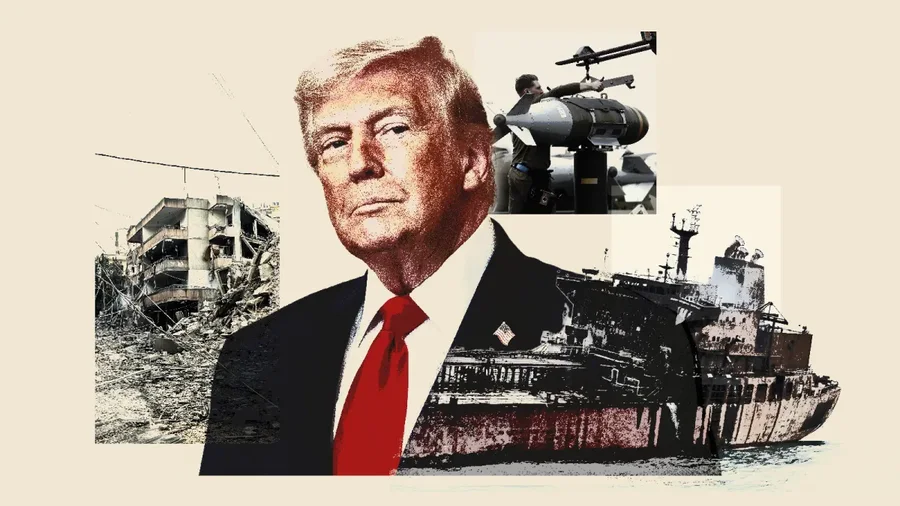
The possibility of a quick resolution to the conflict seems increasingly remote for the American president, while any way out carries political, military and economic costs...
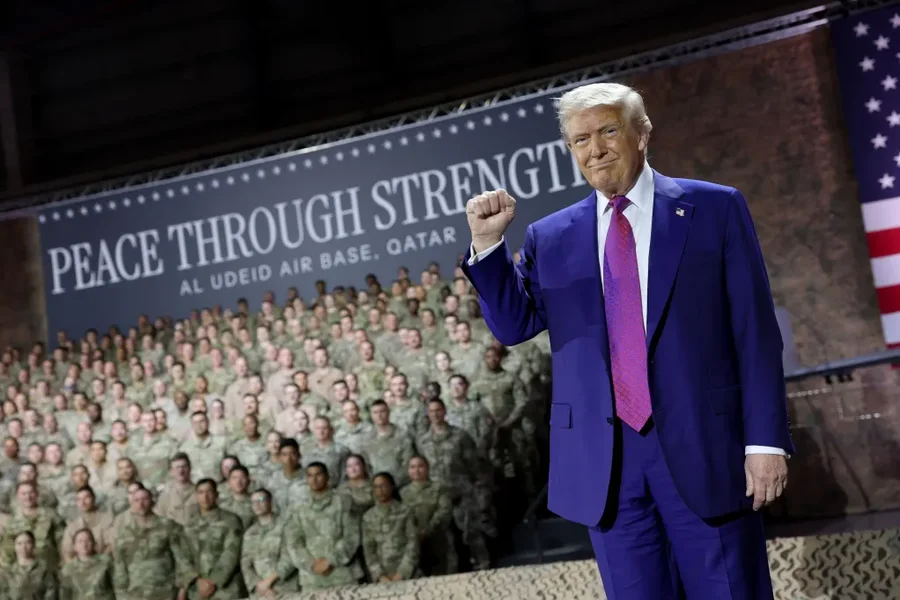
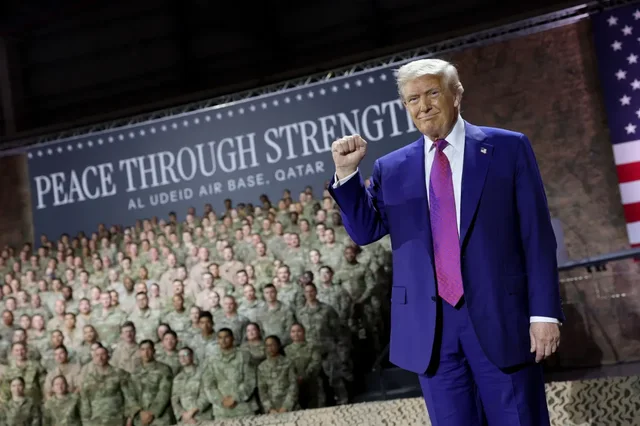
President Donald Trump has already declared the war on Iran won. But this week he also declared that there was still a need to "finish the job."
“We don’t want to leave early, do we?” he said, adding, “we don’t want to come back every two years.”
Trump sometimes speaks as president, but often as a commentator on his own decisions.
In this case, precisely in this second plan, he has clearly summarized the contradiction contained in his decision to go to war with Iran, a contradiction that his predecessors, as he himself has said earlier, failed to overcome. The United States has at its disposal the most powerful military the world has known. This makes it relatively easier to gain the upper hand in any conflict. But at the same time it complicates the question of how to end a war against a stable adversary.
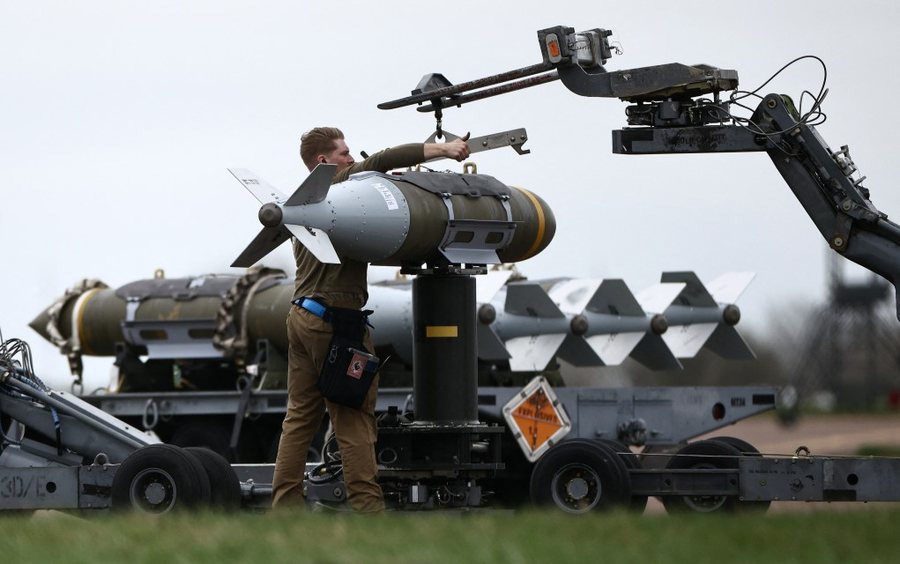
The logic of military success pushes toward pursuing objectives until unconditional victory. But such a victory is difficult, even when there is military superiority, if the opponent is willing to suffer devastating losses, while also inflicting retaliatory blows.
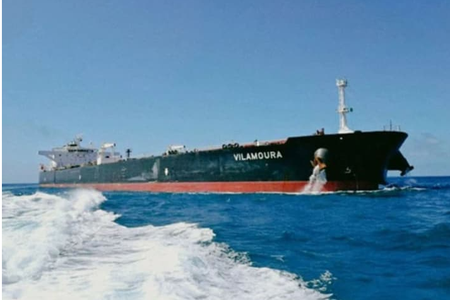
In the current situation, the adversary could also shake up the American and global economies by closing the Strait of Hormuz, a scenario to which the US seems to have no clear solution other than ending the conflict.
Iraq would undoubtedly have suffered less damage had it accepted American victory, just as Gaza would have suffered less if Hamas had surrendered in October 2023. But neither did, and, consequently, the cost of the war for them, as well as for America and Israel, continues.
Now Trump has 4 options if he wants to declare victory, and this is clearly what he wants. Each of them has a price.
A quick end to the war
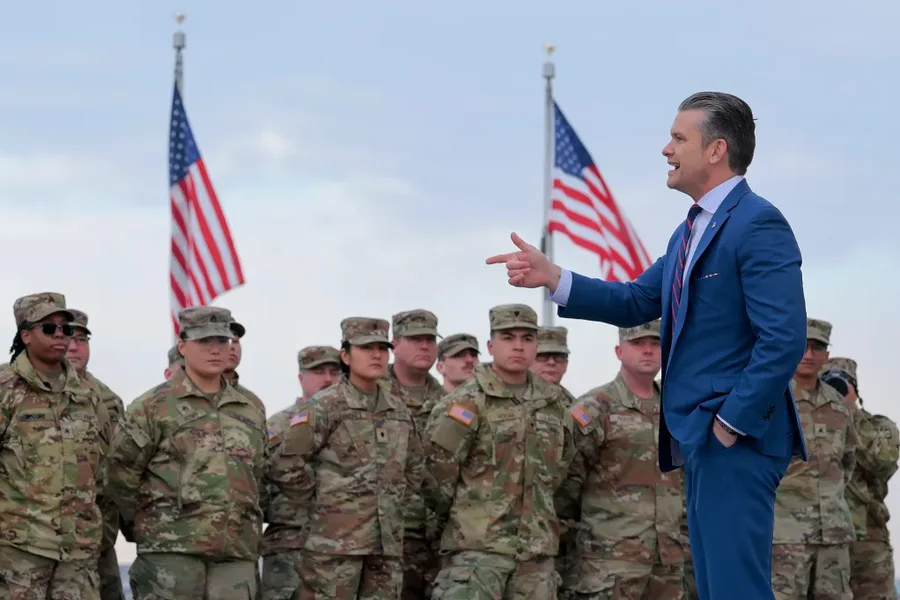
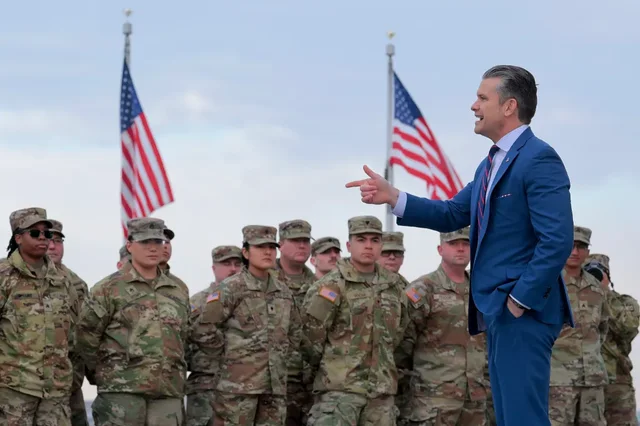
If Pentagon advisers assess that Trump has met the military objectives set by Defense Secretary Pete Hegseth and Secretary of State Marco Rubio, the president could declare "mission accomplished" within a week or two.
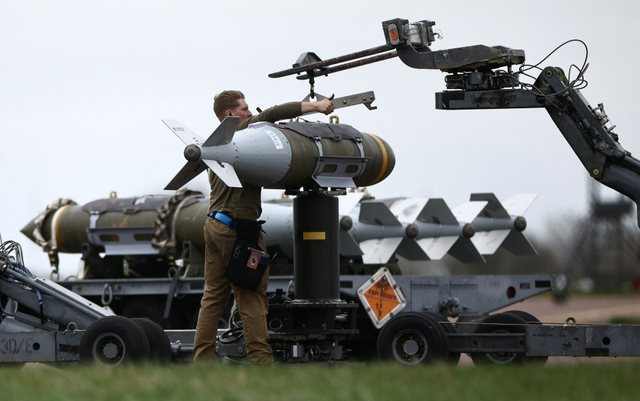
These limited objectives include the destruction of Iran's missile bases, missile factories, and naval fleet. There is little doubt that the American and Israeli air forces, with their near-total air superiority, have made significant progress toward these goals.
Një vendim i tillë do ta linte regjimin në fuqi. Kjo do të zhgënjente shumë iranianë në mërgim, si edhe të djathtën tradicionale pro-izraelite brenda bazës mbështetëse të Trump, të cilët besonin se ndryshimi i regjimit ishte qëllimi kryesor i operacionit.
Ndërkohë, regjimi duket se është forcuar pas humbjes së kaq shumë gjeneralëve dhe të udhëheqësit suprem, ajatollah Ali Khamenei.
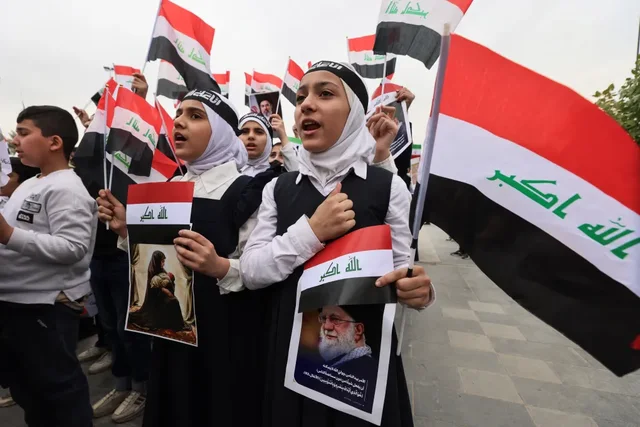
Nuk është e qartë nëse ata që kanë mbetur në drejtim do të pranonin qoftë edhe një armëpushim, për sa kohë që ende mund të dëmtojnë interesat amerikane në Gjirin Persik. Ata vazhdojnë të bëjnë thirrje për hakmarrje.
Në çdo rast, ata mund të rindërtojnë kapacitetet sulmuese të Iranit. Kjo do të nënkuptonte që Izraeli dhe SHBA-ja do të duhej të kalonin në një politikë që në Izrael përshkruhet metaforikisht si “kositja e barit”: rihapja e konfliktit çdo disa vjet për të dobësuar, por jo zhdukur, kapacitetet e Iranit. Pikërisht këtë skenar Trump thotë se nuk e dëshiron.
Vazhdimi i pandërprerë i bombardimeve për muaj me radhë
Zgjatja e fushatës përtej goditjes së shkurtër dhe të fortë të një lufte që zgjat vetëm disa javë do të rriste gjasat, edhe pse pa garanci, për të neutralizuar përfundimisht kërcënimin iranian ndaj Izraelit dhe rajonit.
SHBA-ja dhe Izraeli, pa dyshim, mund ta vazhdojnë sulmin, pasi kanë forcat ajrore dhe arsenalin raketor të nevojshëm.
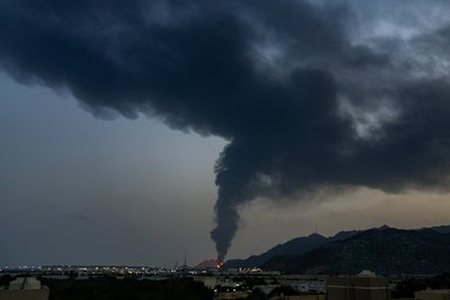
Nëse do të shkatërronin çdo bazë iraniane dhe gjithçka ku ajo mbështetet, si rafineritë e naftës, linjat e furnizimit dhe infrastruktura civile, Irani do të mbetej një shtet i rrënuar. Ka mundësi që të mos rikuperohej kurrë plotësisht.
Regjimi mund të mbetej ende në fuqi, ndoshta në një formë të re. Një rezultat pozitiv do të ishte shfaqja e një udhëheqjeje që do ta kuptonte se ka detyrimin të përmirësojë standardin e jetesës së qytetarëve, edhe nëse kjo do të nënkuptonte pranimin e bashkëpunimit me Perëndimin.
Por ekziston edhe mundësia që regjimi të shndërrohej në një version më të madh të Koresë së Veriut: i përqendruar te rezistenca, deri në pikën e ndërtimit të një arme bërthamore, dhe i izoluar nga bota, përveç lidhjeve me Rusinë dhe Kinën, edhe në kurriz të varfërisë së përhershme të popullsisë.
Trupa në terren
Edhe pse ndryshimi i regjimit ka qenë qartësisht rezultati i dëshiruar, shumë zëra në Uashington kanë thënë prej kohësh se kjo vështirë se mund të arrihej vetëm me bombardime.
Edhe kritikët më të ashpër të Republikës Islamike kishin më shumë shpresë sesa siguri se kaosi i shkaktuar nga goditjet amerikano-izraelite do të nxiste një valë të re protestash popullore, e cila më në fund do të rrëzonte ajatollahët.
Disa prej tyre tani po shprehin skepticizëm se kjo mund të ndodhë pa një ndërhyrje tokësore.
Një ide e tillë ka qenë politikisht e papranueshme në Shtetet e Bashkuara që nga dështimi i pushtimit të Irakut në vitin 2003 për të sjellë paqe, veçanërisht për elektoratin “Maga” të Trump, pasi ai kishte premtuar se do t’u jepte fund luftërave pa fund.
However, Trump has not ruled out this option. And if he gives the go-ahead, then two other possibilities arise.
The first is a focused special forces operation to eliminate key targets. These could be economic targets, such as the oil terminal on Kharg Island, or locations associated with the leadership.
In this way, Trump may hope to encourage new forces within Iran to seize control of power and create an alternative government.
This plan relies on many unknowns and its success is contingent on many factors. Full invasion remains the most traditional method of overthrowing a regime, but it would be an extraordinary undertaking against a consolidated enemy in a large country of more than 90 million people.
Repeated war until complete state collapse
Trump could argue that a defeated enemy must surrender, as Israel demands of Hamas in Gaza. When a regime is no longer able to defend itself and its people from American and Israeli attacks, and loses the ability to defend its military objectives, then it can be said that it itself bears responsibility for the future suffering of the country and its citizens.
Under this option, peace is never officially declared and bombing can continue, whenever deemed necessary, even after the first months of the war.
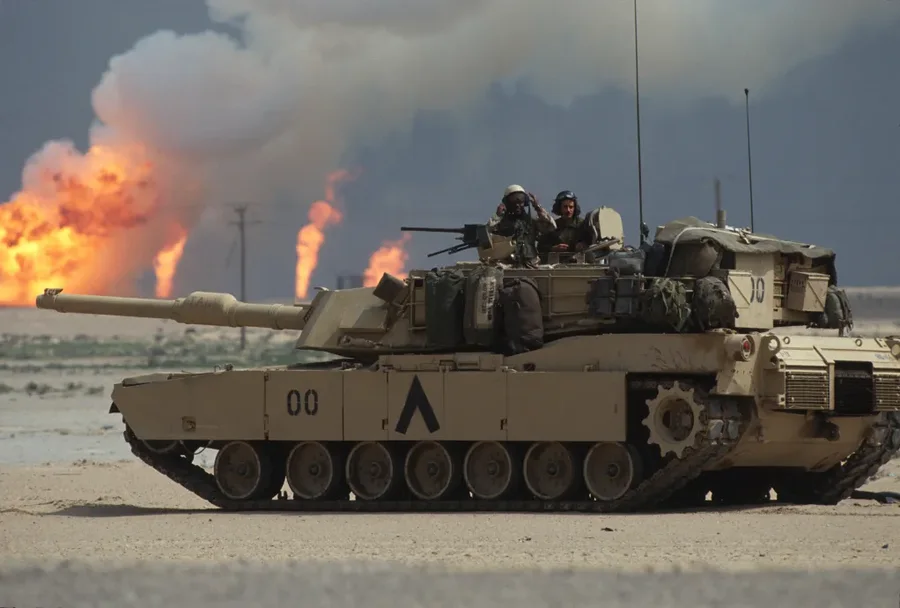
A comparison that has often been made is that of Saddam Hussein's regime in Iraq during the 1990s, following his defeat in the First Gulf War over Kuwait in 1991. The US occasionally carried out attacks on Iraqi targets in response to provocations or perceived threats.
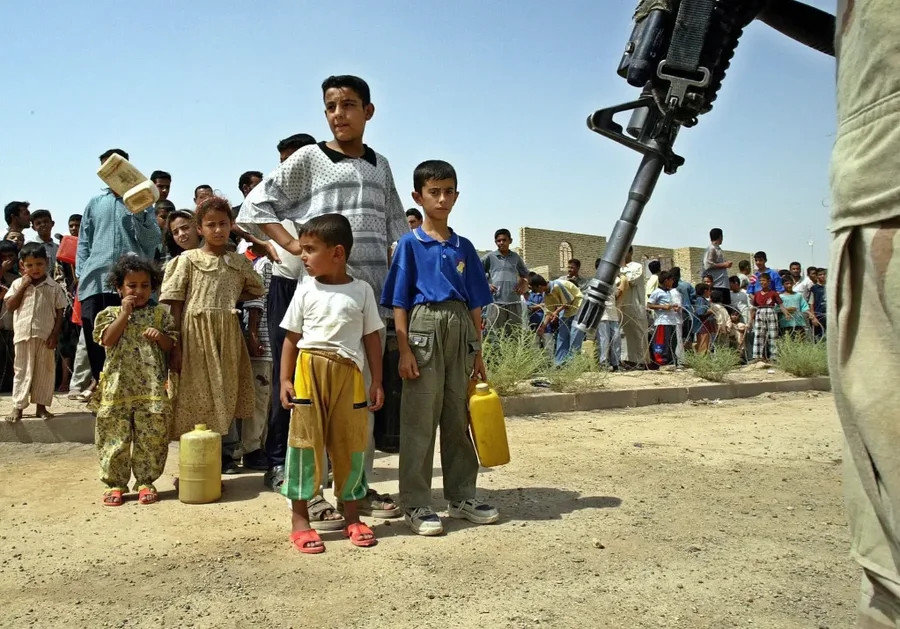
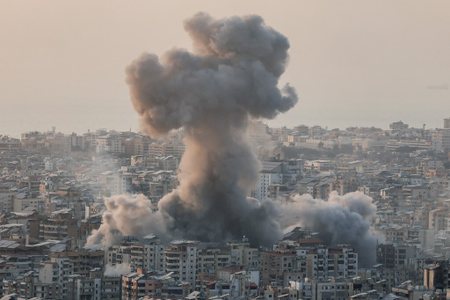
In the case of Iran, this would mean more intensive operations against Iran's allies in Iraq and Lebanon, as well as against Iranian military targets and some civilian targets, whenever the US and Israel deem it necessary.
Such a war could last indefinitely or until the regime accepts the terms. But it could also set the stage for another war, of a different nature, under a future leader. /Adapted from The Times /



Lini një Përgjigje