


 Shkruar nga Pamfleti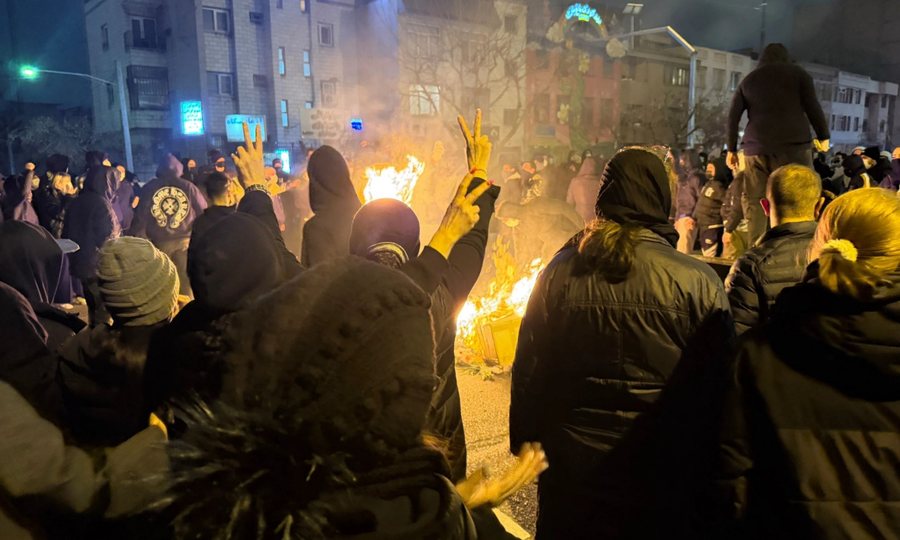
Human rights groups say more than 2,400 people have been killed in Iran during the authorities' use of force against popular protests.
Relatives of those killed in the protests have told the BBC that authorities are demanding large sums of money to return their bodies for burial and are blackmailing them into pledging loyalty to the regime, even in these difficult times.
Multiple sources have told the BBC that the bodies are being held in morgues and hospitals, and that security forces will not release them unless their relatives hand over money. A family in the northern city of Rust told the BBC that security forces demanded 700 million tomans (about $5,000) to hand over the body of their loved one. They were being held in the morgue of Pursina Hospital, along with at least 70 other dead protesters, they said.
Meanwhile, in Tehran, the family of a Kurdish seasonal construction worker went to collect his body, only to be told they had to pay one billion tomans ($7,000) to retrieve it. The family told the BBC they could not afford the cost and were forced to leave without their son's body. A construction worker in Iran typically earns less than $100 a month.
In some cases, hospital staff call relatives of the deceased to warn them in advance to come and collect the bodies before security forces can extort money.
The BBC has heard of a woman, who cannot be named for security reasons, who was unaware that her husband had been killed until she received a call on her phone on January 9 from hospital staff. She was told she had to come quickly to collect his body before security forces arrived and demanded payment.
The BBC was informed of the situation by a London-based relative who spoke to her. The woman then took her two children to the hospital to find her husband's body. She put him in the back of a truck and drove seven hours to their hometown in western Iran to bury him.
"I sat in the back of the truck, crying over his body for seven hours, while my children were sitting in the front seat," she told a relative in London.
The BBC has also received reports that officials at Tehran's Behesht-e Zahra morgue are telling families that if they claim their child was a member of the Basij paramilitary force and was killed by protesters, the body will be released without charges being filed.
The family member told the BBC in a message: "We were asked to attend a pro-government rally and present the body as a witness. We did not agree to this."
In another case in Tehran, a source told the BBC that several families stormed a morgue to collect bodies for fear of being taken by the authorities.
"Some families, fearing that authorities might keep the bodies or bury them without their knowledge, broke down the morgue door and took the bodies out of the ambulances," the source told the BBC.
The families then stored the bodies for several hours on the ground in the hospital yard to prevent them from being transported until they could find private ambulances to transport them, the source said.
The internet and communications blackout has made it difficult to get a full picture of what is happening on the ground. International human rights organizations do not have direct access to the country and, along with other international news organizations, the BBC is not allowed by the Iranian government to report on the ground.
The protests began in the capital Tehran on December 29, following a sharp drop in the value of the Iranian currency against the dollar. As the protests spread to dozens of other cities, they turned against Iran's clerical leaders and security forces launched a violent crackdown. The protests escalated significantly last Thursday and were met with deadly force by the authorities.
According to the American Human Rights Activists News Agency (HRANA), at least 2,435 protesters have been killed since the unrest began, including 13 children and 153 people linked to security forces or the government. It says another 18,470 protesters have been arrested. Meanwhile, arrests continue across the country. Security forces and Revolutionary Guard intelligence units have arrested activists, lawyers, and ordinary citizens.






Lini një Përgjigje