


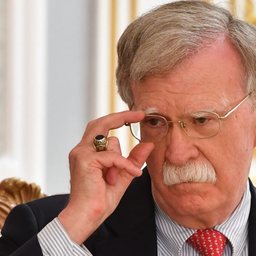
 Shkruar nga John Bolton
How to avoid capitulation of the West to Putin's Russia...
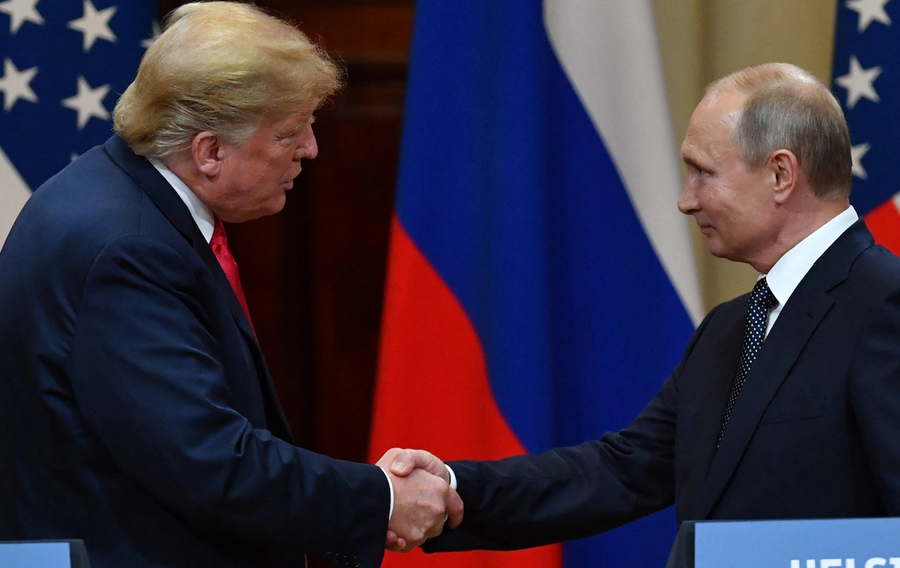
The impending inauguration of Donald Trump bodes ill for the West's vital security interests, and for Ukraine in particular. Trump's hostility to NATO is very evident, and his antipathy for Ukraine seems inevitable.
After January 20, 2025, US military and economic aid is likely to be significantly reduced, and negotiations with Russia will begin quickly. On the other hand, Europe's financial support for Ukraine will also decline, because EU members will rush to revive trade ties with Moscow.
Despite media reports, Trump has not yet spoken to Vladimir Putin. When that happens, Trump's desire to end "Biden's war" could mean, at worst, capitulating to Russia's maximalist demands.
After all, if helping to defend Ukraine against unprovoked aggression is irrelevant to Washington, then why worry about Kiev's terms of surrender? In fact, America's main national interests remain dependent on what happens in Europe.
Since 1945, European peace and stability have been vital to US economic and political security. The domino effect of America's and NATO's perceived failure in central Europe would encourage Beijing to act aggressively toward Taiwan and the East China Sea; South China Sea; and along its land borders.
These are not abstract concerns, but grave threats to US physical security, trade, travel and communications globally. Biden put these interests at risk by withholding full assistance from Kiev. He never developed a winning strategy. His administration helped create the current stalemate on the battlefield, spooked by the Kremlin's constant but empty threats of a "wider war." What should be done in this situation? Aid to Ukraine is in NATO's vital interest. And that interest isn't waning because of the continued poor performance of the Biden administration.
In future negotiations, several points are essential for any kind of possible agreement. First, any deal should be temporary to keep Ukraine's future open. Because in any case, Moscow itself will treat any agreement as such. For the Kremlin, nothing is permanent until its empire is fully restored.
Putin needs time to rebuild Russia's military capabilities, and it is naive to believe that any kind of "engagement" by him will prevent future aggression against Ukraine. A ceasefire along the existing front lines during negotiations may be inevitable. But we must insist that any final agreement clearly state that these lines have no political significance, but simply reflect the current state of the front.
Russia may ignore them later, but such claims must be declared invalid in advance. Also, the agreement should not create demilitarized zones between Ukrainian and Russian forces inside Ukraine, or along the official border elsewhere.
The surest way for a cease-fire line to become a permanent border is to be 800 meters wide, extending endlessly through disputed territory. A DMZ would only work to Moscow's advantage. UN peacekeeping missions carry the grim history of freezing the status quo, failing to help resolve the underlying conflict.
We recall here the UN Peacekeeping Force in Cyprus (UNFICYP), which has divided the island since 1964. The UN Observer Force (UNDOF), which patrols the Golan Heights since 1974, although it did not prevent Israel to annex this area. The list is long.
In Ukraine's case, tolerating Moscow could mean permanently ceding 20 percent of the national territory. And this problem is not mitigated if the peacekeepers are under the auspices of NATO and not the UN. Because it is not the quality of the army that makes the difference, but the intentions of the parties to the conflict.
Does anyone have any doubts about what Russia's long-term intentions are? Is Ukraine part of them? I think that the Kremlin will not agree with the deployment of NATO peacekeepers in Ukraine. Or at least not unless they are joined by thousands of troops from North Korea.
Finally, Ukraine should not be limited in its future options to join or cooperate with NATO. What remains of Ukraine will still be a sovereign country, striving to have a representative government and free to choose its own allies.
We must not agree to forced neutrality, what was called "Finlandization" in the Cold War. Even Finland itself did not like this role, and joined NATO in 2023. And if some brave countries want to provide security guarantees for free Ukraine, they should be able to do so, and not subject to the Russian veto. Ukraine's likely future is bleak, and it will depend on President-elect Donald Trump. Let's do our best not to make the situation worse with a disastrous peace agreement./ Pamphlet adapted from "Daily Telegraph"
Note: John Bolton, United States National Security Advisor during Donald Trump's first presidential term.



Lini një Përgjigje