


 Shkruar nga Pamfleti
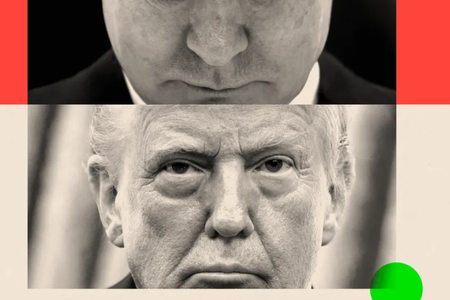
We could call it a dress rehearsal for Cold War 2.0. If Ukraine is the backdrop, the colors are thrown by Donald Trump's threat to Vladimir Putin to reposition nuclear submarines closer to Russia, and by the tsar's response that he no longer feels obligated to respect the moratorium on deploying short- and medium-range missiles.
The document, known as the Intermediate-Range Nuclear Forces (INF) Treaty, was signed on December 8, 1987 by Reagan and Gorbachev and marked a crucial moment in the "thawing of the ice" between the two superpowers, most notably with the fall of the Berlin Wall.
However, on February 1, 2019, during the first Trump administration, the United States withdrew precisely because of the other signatory's continued violations of the agreement.
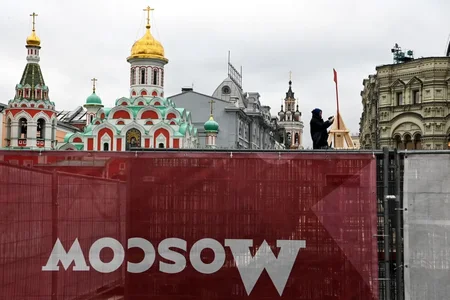
Moscow today decided to follow the same path, and Foreign Minister Lavrov explained that the Russian leadership will decide on "response measures and possible missile deployment, based on the range of American and other Western missiles," without losing sight of the situation in the field of international security and strategic stability.
Now, it seems that tensions are heating up again, and the visit of US special envoy Witkoff to the Kremlin, scheduled for Thursday, will serve to understand new scenarios, not only in terms of the Ukrainian conflict, but also of European security.
For now, Trump has limited himself to announcing sanctions on Moscow, "even though they seem to be good at avoiding them," and introducing 100% secondary tariffs against those who cooperate with Russia. India is reportedly being targeted.
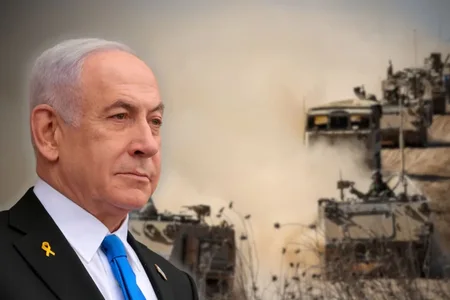
On the ground, unable to counter ground forces, Kiev is relying on covert operations by the Russian security service (SBU) to disrupt the Russian military machine. An attack on the Saki military airfield in occupied Crimea damaged at least four fighter jets. Last night, a bomb exploded on the tracks of a station in Volgograd, paralyzing rail traffic between Moscow and St. Petersburg. This is the seventh attack in two weeks, all designed to paralyze rail transport of military vehicles traveling from the Federation to the border.
On the 1,258th day of fighting, Russian forces attacked almost all oblasts with Kinzhal hypersonic missiles and 162 drones. Moscow claims to have destroyed a military center, but is silent about the tragic consequences for civilians: 11 dead and 23 wounded. Zelensky, who visited troops on the Vovchansk front, is taking action by increasing the production of interceptor drones, which have the potential to be a cheap and abundant alternative to the use of Western air defense missiles, whose stocks are dwindling and some allies are reluctant to provide them.
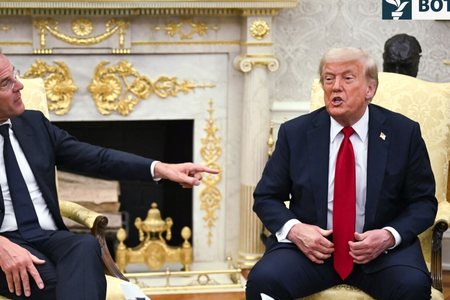
The Ukrainian president also benefits from the €500 million arms package that the Netherlands purchased from the US.
In Donbas, Moscow's militia is advancing 10km towards Pokrovsk, while Ukrainians report mercenaries from China, Africa and Asia fighting alongside Russia.


Lini një Përgjigje