


 Shkruar nga Pamfleti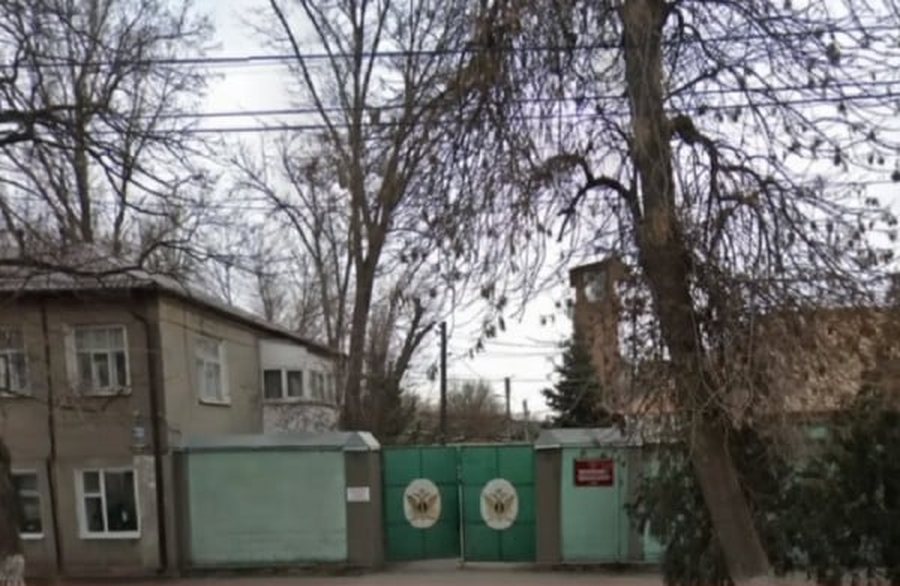
Former Ukrainian prisoners have said they were subjected to torture, including frequent beatings and electric shocks, while in custody in southwestern Russia.
In interviews with the BBC, dozens of former prisoners released in prisoner exchanges alleged physical and psychological abuse by Russian officers and guards at Detention Facility Number Two, in the city of Taganrog.
The evidence, gathered during a week-long investigation, describes an ongoing pattern of extreme violence and ill-treatment at the facility, one of the places where Ukrainian prisoners of war are held in Russia.
Their claims include:
Men and women in the country of Taganrog are repeatedly beaten, including in the kidneys and chest, and given electric shocks during daily inspections and interrogations.
Russian guards constantly threaten and intimidate prisoners, some of whom have even given false confessions which are allegedly used as evidence in trials.
Detainees are routinely left malnourished, and the injured are not given adequate medical attention, with reports of inmates dying at the facility.
The BBC has not been able to independently verify the claims, but details were shared with human rights groups and, where possible, corroborated by other detainees.
The Russian government has not allowed any outside bodies, including the United Nations and the International Committee of the Red Cross, to visit the facility, which before the war was used exclusively to hold Russian prisoners.
The Russian defense ministry did not respond to several requests for comment on the allegations. She has previously denied torturing or mistreating captives.
The prisoner exchange between Ukraine and Russia is a rare diplomatic feat in the war, and more than 2,500 Ukrainians have been freed since the conflict began. According to human rights groups, up to 10,000 prisoners are believed to remain in Russian custody.
Dmytro Lubinets, Ukraine's human rights ombudsman and one of the officials involved in the exchange negotiations with Moscow, said that nine out of every 10 former detainees claimed to have been tortured while in Russian captivity. "This is the biggest challenge for me now: how to protect our people on the Russian side," Lubinets said. "No one knows how we can do it."
Last September, Artem Seredniak, a senior lieutenant, had already been in Russian captivity for four months when he and about 50 other Ukrainians were transferred to detention facility number two. They traveled for hours in the back of a truck, not knowing where they were going, with their eyes closed and tied by the arms to each other, Seredniak told me.
Me të mbërritur në Taganrog, kujton ai, një oficer i përshëndeti: “Përshëndetje djema. A e dini ku jeni? Këtu do të kalbeni deri në fund të jetës”. Të burgosurit heshtën. Ata u shoqëruan brenda ndërtesës, tha Seredniak, u morën shenjat e gishtërinjve dhe u hoqën rrobat, u rruajtën dhe u detyruan të bënin dush.
Në çdo hap, rojet e objektit, të cilët mbanin shkopinj të zinj dhe shufra metalike, i rrahën në këmbë, krahë ose “kudo që dëshironin”, tha Seredniak. “Kjo është ajo që ata e quajnë “pritje”.
Before his capture, Seredniak, who is 27, led a sniper platoon in the Azov Regiment, the main military force in Mariupol. That, he said, made him a key target for prison staff. Seredniak said he was separated from the others and, wearing only his underwear, was brought into a room to be questioned for the first time. He was then pushed to the floor, he said, with his head turned downwards.
The guards asked him about his role in the army and the duties he had performed. With a stun gun, they shocked him, Seredniak said, in the back, groin and neck. "That's how they worked with everyone," he said. "They hit you like a nail."







Lini një Përgjigje