


 Shkruar nga Nahal Toosi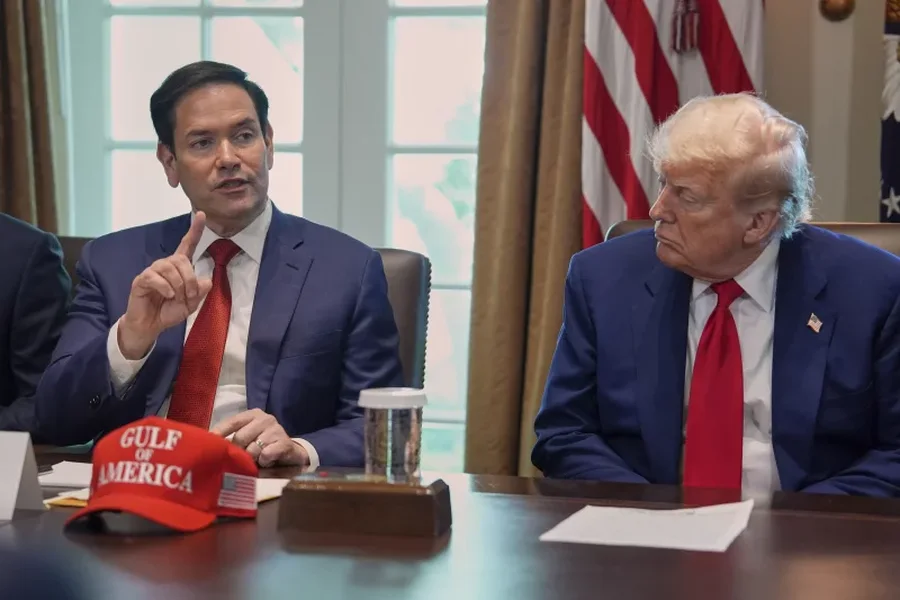
President Donald Trump promised to reform American diplomacy. Insiders say he is undermining it, to the point of undermining global influence...
Eight months into Trump’s second term, more than half of the U.S. ambassadorships are vacant, an unusually high number. Most senior positions at the State Department are filled on an ad hoc basis, often by people with little relevant experience. Many American diplomats, especially those abroad, are largely excluded from policy talks as they struggle to implement administration orders they find confusing.
Many of them are also too afraid to speak out because they could be fired or lose a promotion under new rules that measure their “loyalty.” They have already seen thousands of their colleagues laid off and many offices dismantled.
Politico spoke to a dozen State Department officials, former diplomats and other US officials with knowledge of the department, speaking on condition of anonymity because of concerns they could be fired for speaking out publicly.
The overall impact of the changes remains unclear. But many diplomats said they feel powerless and resigned to the circumstances. There is a sense that if Trump’s political appointees don’t want the diplomats’ advice, then fine, those appointees will have to deal with the legal and logistical consequences of whatever plan they order diplomats to implement.
“In the first Trump administration, people were saying, ‘This is not fair, we need to tell the White House.’ There is no one this time,” said one State Department official. “Why would I do that? This administration is not interested.”
Officials and diplomats interviewed said the Trump administration is reshaping the Foreign Service into a smaller, weaker force in international relations, one where diplomats are merely implementers rather than creators of policy ideas. This is happening despite Secretary of State Marco Rubio’s stated plans to make his department more central to foreign policymaking.
Tommy Pigott, a department spokesman, defended the changes Rubio has made, saying the secretary has "reorganized the entire State Department to ensure that those on the front lines, the regional offices and the embassies, are able to influence policy." However, he added: "What we will not tolerate is people using their positions to actively undermine the objectives of the president-elect."
The department continues to operate, albeit with new priorities. They include a more restrictive approach to immigration; less emphasis on human rights, humanitarian assistance, and democracy promotion; and more attention to advertising for American businesses.
American diplomats have mixed feelings about these priorities, though many worry that the administration is alienating U.S. allies with its tactics.
There is also a pervasive sense of fear in many positions. Much of it revolves around diplomats' ability to communicate and express dissent, even over basic political disagreements.
“Loyalty to decisions has always been a fundamental requirement for America’s foreign service, but if honest speaking at home is suppressed, the administration will stumble blindly into avoidable dangers,” said Ronald Neumann, a former U.S. ambassador to Afghanistan.
In an August memo to its members, the American Foreign Service Association, a union that Trump has taken steps to strip of its bargaining rights, openly expressed such concerns. The memo, which NBC News previously reported, said the AFSA had been made aware of cases “where Foreign Service officers are being restricted from their duties after providing less-than-positive analysis or unsolicited recommendations to leadership.” The memo did not detail the incidents.
"We are operating in uncharted territory," the group wrote, urging members to obtain professional liability insurance and "be aware that interpersonal interactions, especially with new acquaintances, may be recorded and shared."
At one embassy, senior officials have ordered rank-and-file officials to discuss “anything that is more or less sensitive face-to-face,” a diplomat said. This comes amid staff talk that the State Department may have installed keystroke-tapping spyware to monitor the electronic communications of embassy employees, the diplomat said.
Asked for comment, the State Department denied that such spyware was being used.
The department has long had a “dissent channel” in which diplomats could send a memo, usually classified, to the Secretary of State expressing disagreement with policy decisions. It’s not clear how active the channel is now, but some diplomats said they wouldn’t feel comfortable using it, even though people who do so are supposed to be legally protected from retaliation.
Vendimi i Rubios për të marrë në konsideratë nëse një diplomat tregon “besnikëri” ndaj objektivave të administratës si një faktor në ngritjet në detyrë po nxit gjithashtu shqetësim. Shumë diplomatë theksojnë se puna e tyre tashmë kërkon që ata të zbatojnë politikat e administratës përgjegjëse dhe se nëse nuk mendojnë se mund ta bëjnë këtë me ndërgjegje të pastër, duhet të japin dorëheqjen.
Shumë nga personat e intervistuar theksuan se situata e secilit diplomat ndryshon në varësi të pozicionit të tyre, vendndodhjes dhe prioriteteve të administratës. Ata në Izrael ka të ngjarë të marrin më shumë udhëzime sesa ata në ishujt e Paqësorit. Shumë prej tyre pranuan gjithashtu se Departamenti i Shtetit ka qenë prej kohësh i vendosur në politikëbërjen nga subjekte të tjera, të tilla si Këshilli i Sigurisë Kombëtare dhe Departamenti i Mbrojtjes, në administratat e kaluara.
Por ka shqetësime të reja me këtë administratë. Diplomatët kanë frikë, për shembull, nga ndikimi që aktorët e jashtëm kanë mbi Rubion. Laura Loomer, një ndikuese e ekstremit të djathtë, duket se e ka shtyrë me sukses Rubion të pezullojë lëshimin e vizave për palestinezët nga Gaza. Ajo i ka kërkuar Rubios të shkarkojë disa diplomatë myslimanë.
Diplomatët amerikanë thonë gjithashtu se komunikimi nga selia e departamentit me postet jashtë vendit është shumë më i kufizuar nga sa duhet të jetë, veçanërisht duke pasur parasysh ndryshimet masive në politikën e SHBA-së për gjithçka, nga tarifat deri te promovimi i demokracisë.
“Ka një rënie të ndjeshme të transparencës”, tha një zyrtar i dytë i Departamentit të Shtetit.
Kjo do të thotë që diplomatët amerikanë shpesh habiten nga vendimet e administratës dhe u thuhet të zbatojnë politikat pavarësisht se kanë pyetje në lidhje me detajet, logjistikën dhe ligjshmërinë. Kjo mund të paralizojë punën mbi prioritetet e administratës, thonë ata, dhe ta bëjë më të vështirë për diplomatët të flasin me besim me homologët e tyre të huaj rreth implikimeve të një vendimi, një pjesë kyçe e punës së tyre.
Një urdhër ekzekutiv i Trump i 7 gushtit që përcaktonte rregulla të reja për dhënien e granteve, për shembull, i la shumë zyrtarë të Departamentit të Shtetit të hutuar, me zyra të ndryshme që ofronin udhëzime të ndryshme se si ta zbatonin atë në rajonet e tyre, tha një diplomat i dytë amerikan.
“Njerëzit po shpenzojnë një sasi të tepërt kohe duke u përpjekur të kuptojnë se çfarë domethënie kanë këto gjëra”, tha diplomati.
Rubio, i cili shërben gjithashtu si këshilltar i përkohshëm i sigurisë kombëtare, e ka shkurtuar ndjeshëm atë që dikur ishte një proces i ndërlikuar i hartimit të politikave që merrte parasysh pikëpamjet e shumë departamenteve. Tani, një grup i vogël njerëzish, kryesisht në Shtëpinë e Bardhë, flasin me presidentin dhe dalin me politika bazuar në atë që ai dëshiron, pastaj i urdhërojnë pjesës tjetër të qeverisë t'i zbatojnë ato. Ideja është të zvogëlohen rrjedhjet e informacionit në media, të ndalohet ngadalësimi burokratik dhe të arrihen ndryshime të mëdha që normalisht do të hasnin pengesa.
Trump dhe ndihmësit e tij kryesorë gjithashtu kanë ushqyer prej kohësh dyshime ndaj Departamentit të Shtetit në veçanti, duke besuar se është një fortesë liberale që kundërshton axhendën e presidentit. Në fillim të mandatit të tij të dytë, Trump lëshoi një urdhër ekzekutiv që synonte riformësimin e Shërbimit të Jashtëm në mënyra që ai tha se do të pasqyronin më mirë prioritetet e tij të politikës “Amerika e Para”.
Për të zbatuar këtë urdhër, Rubio dhe një numër i vogël zëvendësish të tij kanë ndërmarrë një sërë hapash, nga ridizajnimi i provimit të pranimit për Shërbimin e Jashtëm deri te largimi i mijëra punonjësve, veçanërisht atyre që merreshin me tema të tilla si të drejtat e njeriut dhe promovimi i demokracisë. Zyra të shumta janë shkurtuar ose zvogëluar.
Në të njëjtën kohë, shumë role të larta në Departamentin e Shtetit, siç janë nënsekretarët ose ndihmëssekretarët, nuk janë plotësuar në mënyrë të përhershme. Shumë divizione të mëdha drejtohen nga "zyrtarë të lartë të byrosë" në bazë të detyrës.
Kur një i emëruar politik nuk është i disponueshëm, disa diplomatë karriere me rang të ulët, të cilët shihen si simpatizantë të ideve të Trump, janë vendosur përkohësisht në rangjet e larta të Departamentit të Shtetit, edhe nëse nuk kanë kualifikimet tipike për këtë post, sipas shumë zyrtarëve. Kjo është veçanërisht bezdisëse për diplomatët e karrierës, sepse Shërbimi i Jashtëm është i organizuar si ushtria dhe ngritja në gradë nuk është e lehtë. Për disa në terren, është sikur gjeneralët tani po u raportojnë kapralëve.
Pyetjet në lidhje me kualifikimet janë veçanërisht të përhapura në Byronë e Lindjes së Mesme, një nga divizionet më sfiduese për të shërbyer për shkak të konflikteve dhe tensioneve të vazhdueshme politike që kanë tërhequr prej kohësh vëmendje të madhe nga SHBA-ja. Shumë njerëz u ankuan se zyrtarja e lartë e Byrosë, e emëruara politike Mora Namdar, i ka ngritur punonjësit që ajo i sheh si më besnikë mbi diplomatët më me përvojë dhe me rang më të lartë.
The Washington Post previously reported on the frustrations with Namdari, who did not immediately respond to Politico’s request for comment. Pigott, the State Department spokesman, defended Namdari and the choices made for key roles, saying the department is “elevating personnel who have proven merit, expertise and experience to best implement President Trump’s agenda and advance our national interests.”
The disappointments come amid growing concerns about the unusually high number of ambassadorial vacancies. According to the American Foreign Service Association's ambassador tracker, 110 of 195 ambassadorial positions are currently vacant.
Part of that is due to the slow pace of Senate confirmations, including Democratic filibusters. But the administration has also failed to nominate candidates for more than 60 positions, according to AFSA.
The lack of a Senate-confirmed ambassador could undermine America's ability to communicate its foreign policy abroad.
For example, diplomatic protocol in some countries means that senior leaders are less likely to meet with temporary envoys. Acting ambassadors, who often come from the ranks of the Foreign Service, also tend to have less access in Washington to the president or even the secretary to seek guidance.
On Thursday night, lawmakers approved a handful of ambassadorial nominees. A Trump administration official familiar with the situation said the sooner ambassadors arrive at their posts, the better State Department leaders can communicate with diplomats abroad. The official spoke on condition of anonymity because he was not authorized to speak publicly.
Many who enter the Foreign Service hope to make it their lifelong career, knowing from the start that it usually involves changing positions and locations every few years. Now they say they worry about which future roles to apply for, especially if their specialty is a low priority for Trump's team.
There are also concerns that the administration will eventually close some consulates and embassies and these diplomats will accidentally be in the wrong place at the wrong time, as some of them were during a round of layoffs earlier this year.
But some said the one place they didn't want to be was Washington, where most of the staff cuts have been concentrated so far and where workplace tension is harder to ignore. / Adapted from Politico.com/


Lini një Përgjigje