


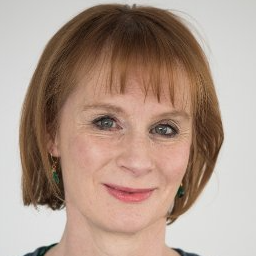
 Shkruar nga Anne McElvoy,
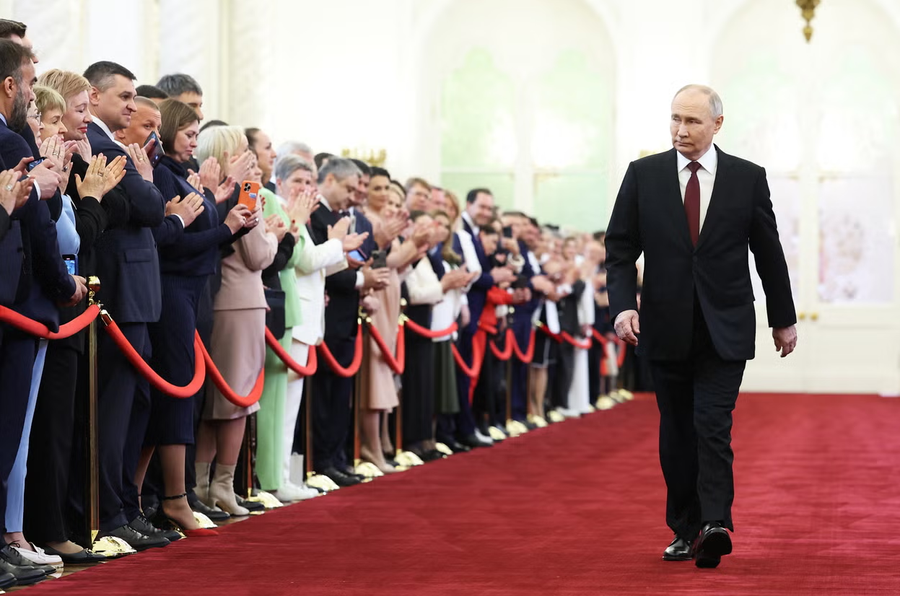
When I ask a London-based Russian oligarch what he thinks will happen after Putin, he simply replies: "After Putin, there will be more Putins!"
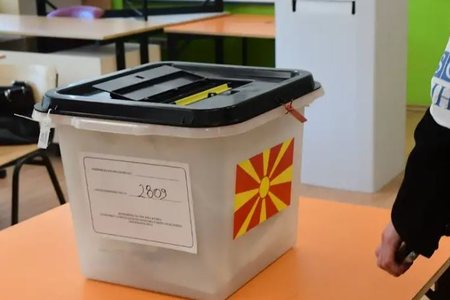
In March, 100 million Russians and another 6 million living in the occupied territory of Ukraine experienced what Vladimir Putin-style democracy looks like, which is, as a Russian proverb says, "elections, no elections."
The sense of inevitability of the outcome, coupled with the almost total concentration of power in the Kremlin, meant that the opposition had already been dealt a death blow. Emblematic was the case of Alexei Navalny, the charismatic dissident who died of mysterious causes in an Arctic prison in February.
And intimidation of the opposition continues to spread. Navalny's close ally Leonid Volkov was attacked with a hammer last week in Lithuania, in an act he called a "greeting of gangsters from the Kremlin, who wanted to make sausages with me".
But what does this gloomy state of a great country tell us about the mind and state of mind of a man who rose from the chaos of St. Petersburg politics to the Kremlin in 2000, and whose career I have watched closely since from Boris Yelstin's final years, when Putin used political and economic chaos to rise to the top like a "cuckoo in her nest," as a Yelstin ally once put it?
A quarter of a century later, Russia is under his strict control, and now a new phase of open aggression against other countries is coming. Putin's background in the KGB, and a personality prone to suspicion, means that he is drawn to the doctrines of "might makes right" power.
He also spends many hours reading the works of Russian thinkers, who promote the "Eurasia" thesis, which describes, as Putin says, "a unique civilization and a great Eurasian and Euro-Pacific power." It is this sense of grandeur that now underpins Putin's view of Russia as an exceptional country.
But his international ambitions are in stark contrast to his inner circle at home.
The most loyal people around the president are Igor Sechin, who heads the big oil company Rosneft, and Nikolai Patrushev, the former head of the FSB spy agency, now secretary of Russia's Security Council, whose anti-Americanism is said to exceeds even Putin's growing paranoia.
Ashtu si Putin, edhe Patrushev është pjesë e gardës së vjetër të KGB-së, bashkë me Sergei Naryshkin, kreun e agjencisë ruse të inteligjencës së jashtme, SVR. Por lufta në Ukrainë ka treguar se edhe këto lidhje mund të prishen papritur. Putin kënaqet shpesh duke poshtëruar publiklisht zyrtarët e tij të lartë, nëse ata distancohen nga qasja e tij, apo nëse dëshirat e tij dëshmohen si të vështira për t’u përmbushur.
Diçka e tillë ndodhni me Naryshkin në një seancë dëgjimore publike në vitin 2022. Ai takim i sikletshëm, synonte të tregonte se asnjë titull apo rekord, nuk mjafton për të garantuar paprekshmërinë. Bota e Putinit është kryesisht bota e një njeriu.
Në seancat rutinë të zyrtarëve të lartë dhe video-telefonatat televizive me shefat e rajoneve, shohim burra, nga 60 vjeç deri në mesin e të 70-ave, që janë në garë me njëri-tjetrin se kush e lavdëron më shumë liderin 71-vjeçar. Gratë shihen si të dobishme për qëllime propagandistike.
Më e spikatura është Margarita Simonyan, një mbështetëse e fortë e Kremlinit, e cila u bë kryeredaktore e televizionit shtetëror Russia Today, dhe që tani është propaganduese kryesore në kanalet kryesore televizive ruse. Siç thuhet në një raport të Departamentit të Shtetit ajo “i servir gënjeshtrat si të vërteta, shoqëruar me një buzëqeshje”.
Një pjesë e mitologjisë mbi Putinin, është se ai është aq shumë i përkushtuar ndaj punës, saqë, duke lënë mënjanë imazhet e tij të koreografuara me kujdes hipur mbi kalë, duke notuar ose duke luajtur hokej mbi akull, ka pak kohë për një jetë sociale ose miqësi të vërteta.
Aleancat personale, datojnë që nga koha kur ishte ndihmës i kryebashkiakut të fuqishëm e të korruptuar të Shën Petersburgut, Anatoly Sobchak. “Banda e Shën Petersburgut” qëndron në krye të nomenklaturës. “Miq” të tjerë të vjetër, janë të lidhur ngushtë në marrëdhënie financiare, si vëllezërit miliarderë Boris dhe Arkady Rotenberg.
Jeta e tij personale ruhet me fanatizëm. Putin thuhet se ka qenë në një lidhje me ish-gjimnasten olimpike Alina Kabaeva që nga viti 2008, edhe pse mbeti i martuar me gruan e tij të dytë Lyudmila Ocheretnaya deri në vitin 2014. Sipas një profesori të gjuhësisë dhe dialekteve, ai ka pasur disa trajnime mbi mënyrën e folurit, për të hequr zakonin e fjalive të shkurtra rat-a-tat, të cilat ishin produkt i nervozizmit e tij në vitet e tij të para në politikë.
Me profilin e saj të dikurshëm publik si një ikonë e bukurisë, Kabaeva iu përgjigj pyetjes mbi lidhjen me liderin rus me një deklaratë të thjeshtë se ai ishte “një njeri i mrekullueshëm, një njeri i madh”. Por periudha e komenteve të lirshme ka përfunduar.
Kabaeva hyri në aparatin e pushtetit të Putinit, duke shërbyer si deputete në parlamentin rus, dhe nënshkruar ligjet më të ashpra, përfshirë ato që kundërshtojnë birësimin e fëmijëve rusë nga të huajt. Që nga ajo kohë, ajo është anëtare bordi në Grupin Kombëtar të Medias me një pagë shumëmilionëshe, pavarësisht se nuk ka pasur përvojë të mëparshme në media.
Those close to Putin are rewarded handsomely. So Kabaeva's sister was given a job as a lawyer in Tatarstan (her family is half Tatar). Putin sees no need for an official "First Lady" role. Paranoid about the invasion of his privacy, Putin has forced the shutdown of media outlets reporting on his private affairs.
He is said to have 6 children from 2 long-term relationships and one casual relationship, but he has never confirmed this. Putin has never felt comfortable outside of Russia, or with Russians who have long resided in the West. A local celebrity who has long lived between Russia and Western Europe tells me that for Putin, "not living full-time in Russia is already a red flag."
Another former media mogul living in Great Britain recalls how during a conversation with the president a few years ago about an old acquaintance of theirs from Moscow who was marrying an English woman, Putin said: "Why should do this? When here in Russia we have thousands of beautiful women".
Putin's tendency toward paranoia and suspicion of everyone has increased greatly since the lockdowns dictated by the pandemic. His fear of contracting Covid-19 was so great that his guests had to sit at the other end of a long table, while his close staff had to be disinfected before meetings.
His personal wealth is astronomical, and his conflict with Navalny was fueled especially by his opponent's investigative videos on the huge complex "Putin's Palace" on the shores of the Black Sea, paid for by the oligarchs close to him. However, there is little evidence that Putin spends time there.
Some oligarchs once close to him speculate that given the advanced security system, the no-fly zone around the compound and the private access from the sea, it is intended to be a "last resort", to be used in case that Putin leaves power or if he has to leave the country.
If this sounds like a distant prospect, it's worth remembering that very few Kremlin leaders have left their positions of their own free will. The Russian election reminded us that all meaningful power is now in the hands of a man who is both irresponsible and senile.
The constitution was changed to allow the Kremlin leader to run for a fifth term, with a possible extension of rule until 2030. But one day the end will come. When I ask a Russian oligarch living in London, what he thinks will happen after Putin, he simply answers: "After Putin, there will be more Putin!"./ Adapted Pamphlet from "The Independent"
Note: Anne McElvoy, editor of Politico, and host of the weekly Power Play podcast.


Lini një Përgjigje