


 Shkruar nga Pamfleti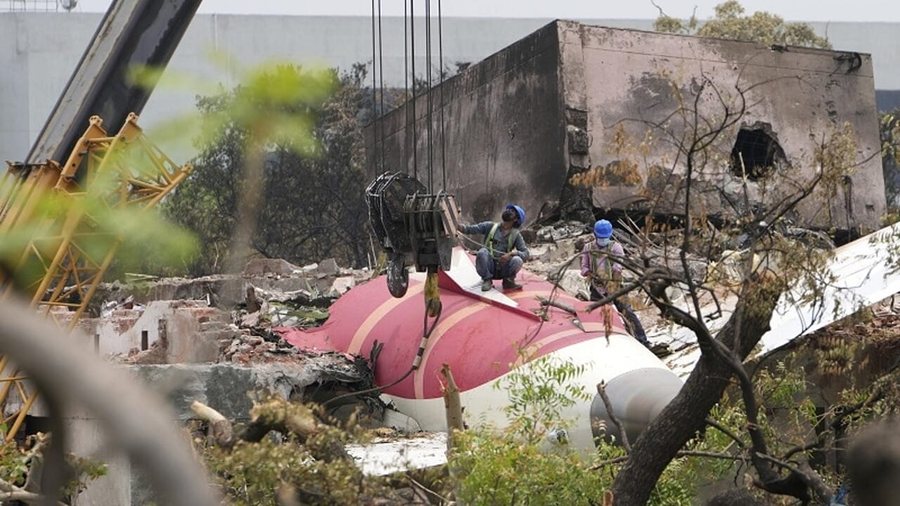
The engines of the Air India Boeing 787 that crashed in Ahmedabad on June 12 were shut down by someone inside the cabin as soon as the plane took off. And it is still unclear how and why they were shut down. Preliminary findings from an investigation conducted by US authorities have shed light on the crash of the plane, which killed 270 people, including all but one person on board who managed to escape unharmed and on foot from the wreckage, according to the Wall Street Journal, citing sources exclusively informed.
The switches controlling the fuel flow were off.
The plane had no faults and investigators are now trying to understand whether the switches were accidentally or intentionally turned off and whether an attempt was made to restore the function to manage an emergency situation.
Since analysis of the flight data recorder revealed that two switches on the center console had been moved from "run" to "cutoff," cutting off fuel flow to the two engines of the Air India Boeing 78 Dreamliner.
These two switches are used three times: to start the engines before takeoff, to shut them down after landing, or during flight to "isolate" a fire-prone engine or restart it.
With the switches shifted to "cutoff," the engines shut down and take several seconds to restart and return to full thrust, which is difficult to achieve at the low altitude at which the Air India Boeing 787 was flying before the crash.
As is standard practice, the switches were activated during the flight, and it is not clear whether this was intentional or accidental. However, the switching off of the switches could explain why the plane's emergency generator, known as a compressed air turbine (RAT), was activated moments before the plane crashed near a medical student dormitory.
The greatest clarity will come from the results of the investigation and the examination of the black box: India's Air Accidents Investigation Bureau, which is leading the investigation, is expected to release a preliminary report today, WSJ reports.
The pilots flying the Boeing, who both died, were Sumeet Sabharwal, the flight commander, who had logged over 10,000 hours of flying experience, and his co-pilot, Clive Kunder, who had over 3,400 hours of experience, Air India said.







Lini një Përgjigje