


 Shkruar nga Pamfleti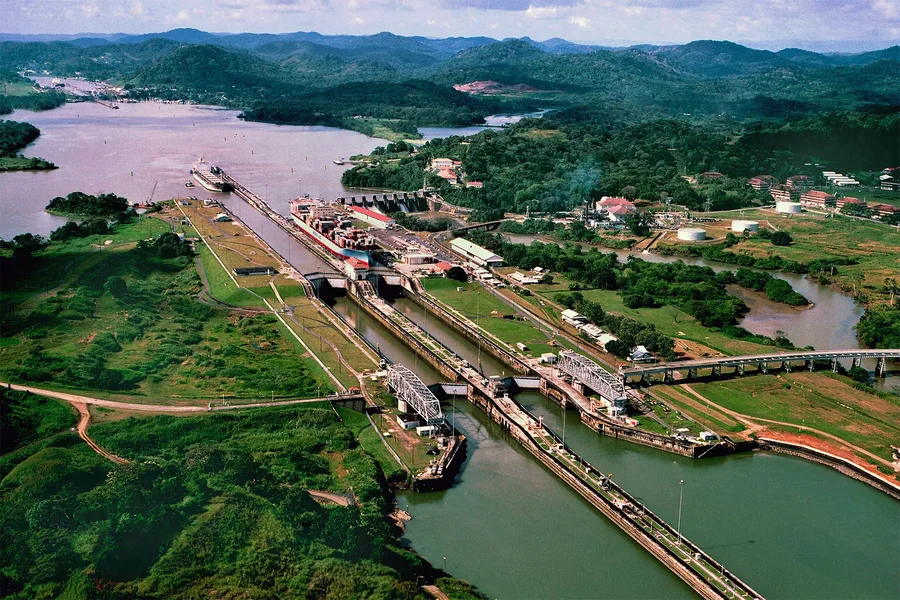
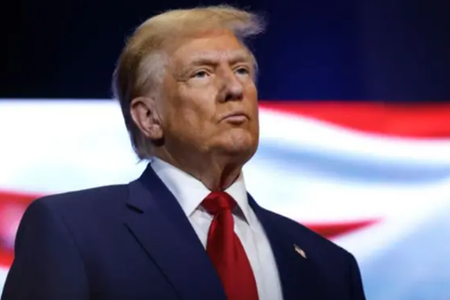
One of the most important feats of human engineering, the Panama Canal, has returned to the spotlight after Donald Trump's declarations that he will "take it," which he officially expressed in his first speech after the inauguration.
The new US president has accused the Central American country of handing over the operation of the waterway to China, something the Panamanian government has categorically denied.
"We didn't give it to China. We gave it to Panama and we're taking it back," Trump said.
Since its construction began in the 19th century, the Panama Canal has amazed the world, expanding the boundaries of what is possible, overcoming international political tensions and revolutionizing transportation.
“It was a monumental engineering project that changed the world with the help, hands, sweat and blood of thousands of people of 97 nationalities who met on this very small isthmus,” said Ana Elizabeth Gonzalez, executive director and chief curator of the Panama Canal Museum.
Why is it so important?
About 5% of total world trade moves through the canal's 80km each year, with most of it moving cargo between the US East Coast and Asia.
About 40% of all American containers pass through the canal and over 70% of the canal's cargo either goes to America or leaves.
This waterway, which connects 170 countries through 1,920 ports, is managed by the Panama Canal Authority (ACP), an autonomous government entity.
Before the canal opened in 1914, ships wishing to cross from the Atlantic Ocean to the Pacific and vice versa had to sail under South America, around Cape Horn, making an extremely dangerous and time-consuming journey.
Until then, since 1616 when Dutch sailors first crossed, about 10,000 sailors lost their lives on this route.
The canal reduced ship travel time by five months and distance by 12,875 km. To date, it has served more than 815,000 ships.
Today's Panama Canal is an improved version of the original, following a multi-billion dollar expansion completed in 2016 to accommodate super-large NeoPanamax-class ships, which were unimaginable in the early 20th century but are now a more common phenomenon on the high seas.
A system of locks that raise ships in the man-made Gatun Lake and lower them back to sea level helps them cross from one ocean to the other.
To ensure smooth navigation through the complex system, captains are required to hand over control of the ship to one of ACP's specialists for the 8 to 10 hour journey.
The following video explains how the blocking system for the passage from the Atlantic to the Pacific Ocean works:
Në vitin 2024, të ardhurat e kanalit do të arrinin në rreth 5 miliardë dollarë, duke kontribuar gati 8% të PBB-së totale vjetore të Panamasë, sipas një studimi nga IDB Invest.
Historia e hapjes
Interesi amerikan për të krijuar një pasazh u ngrit në mesin e shekullit të 19-të, pasi hulumtuesit kërkuan mënyra më të mira dhe më të shpejta për të shkuar në Kaliforni.
Inxhinierët francezë, të udhëhequr nga ndërtuesit e Kanalit të Suezit, ishin ata që më në fund bënë lëvizjet e para për të ndërtuar një kanal në 1881. Por përpjekjet e tyre dështuan për shkak të vdekjes së më shumë se 22,000 njerëzve nga sëmundjet dhe aksidentet, problemet ekonomike dhe korrupsioni.
Shtetet e Bashkuara blenë të drejtat nga francezët në fillim të shekullit të 20-të. Zona kontrollohej në atë kohë nga Republika e Kolumbisë, por një rebelim i mbështetur nga SHBA çoi në ndarjen e Panamasë nga Kolumbia dhe krijimin e Republikës së Panamasë në 1903.
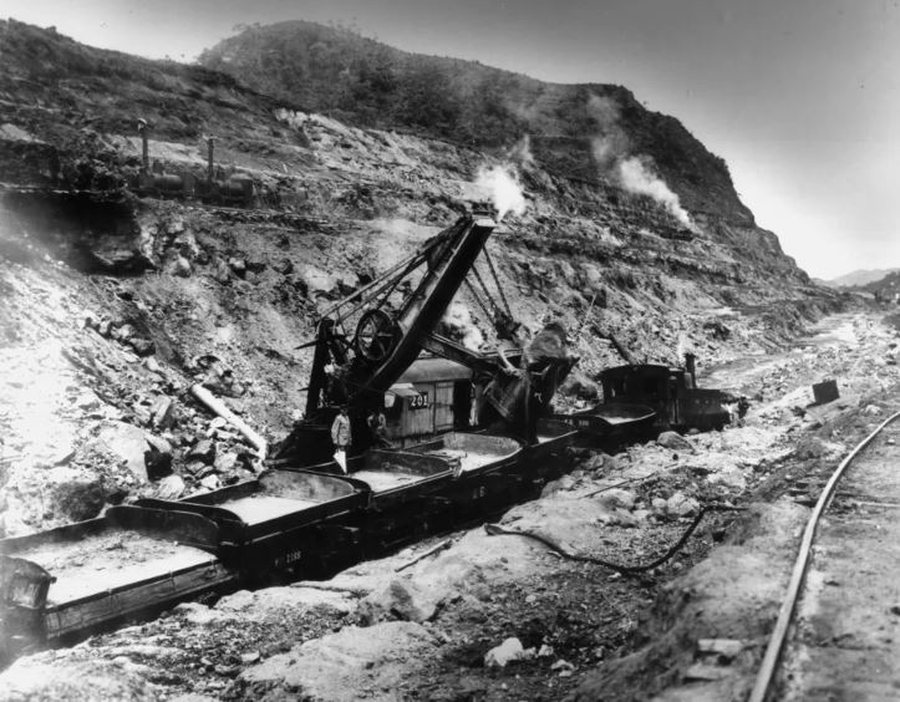
Ndihma amerikane për pavarësinë e Panamasë bëri që të dy vendet të nënshkruanin Traktatin Hay-Bunau-Varilla në vitin 1903, i cili, në këmbim, i dha SHBA-së kontrollin e një brezi toke 80 km të gjatë dhe 1 km të gjerë për ndërtimin e kanalit. Zona u bë e njohur si Zona e Kanalit.
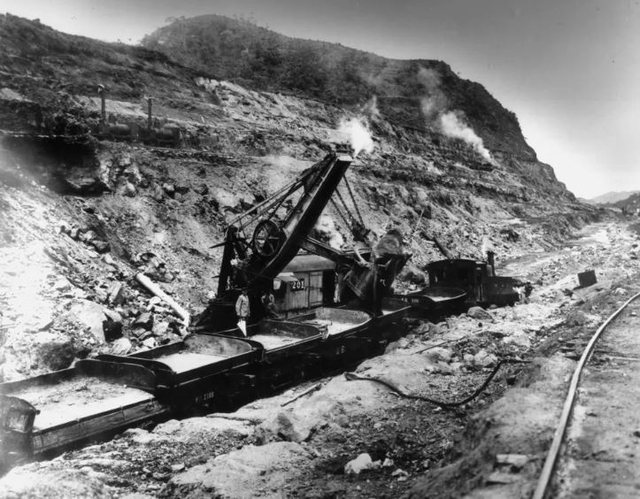
Projekti kishte një kosto të rëndë njerëzore dhe financiare: rreth 5,600 njerëz vlerësohet të kenë vdekur gjatë punës, shumë prej tyre punëtorë të Indisë Perëndimore. Ndërsa Amerika shpenzoi rreth 375 milionë dollarë, projekti ndërtimor më i shtrenjtë në historinë e vendit deri atëherë.
Kanali u përfundua në vitin 1914, por ceremonia e hapjes u anulua për shkak të shpërthimit të Luftës së Parë Botërore. Kalimi ishte i pashfrytëzuar gjatë gjithë luftës, por në Luftën e Dytë Botërore ishte veçanërisht kritike për aleatët.
Kriza në marrëdhëniet SHBA-Panama
SHBA përdori gjithashtu tokat në Panama për aktivitete të ndryshme ushtarake, nga trajnimi i astronautëve deri te testimi i armëve kimike në mesin e viteve 1940 si pjesë e Projektit San Jose.
“Shekulli ynë i 20-të ka qenë plot tensione për interpretime shumë të ndryshme të të njëjtit traktat të 1903. Ka pasur shumë incidente,” tha Ana Elizabeth Gonzales.
Marrëdhëniet SHBA-Panama u përkeqësuan gradualisht për shkak të mosmarrëveshjeve, të cilat ndonjëherë shpërthyen me dhunë, mbi kontrollin e kanalit dhe trajtimin e pabarabartë të panamezëve dhe kombësive të tjera në krahasim me punëtorët amerikanë.
Kishte gjithashtu pyetje nëse flamujt e SHBA-së dhe/ose panamezëve duhet të valëviten në Zonën e Kanalit. Në një moment, Panamaja madje ndërpreu marrëdhëniet diplomatike me SHBA-në.
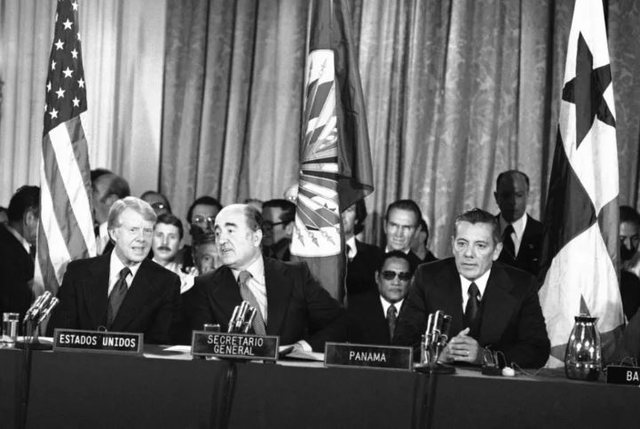
Ishte presidenti i ndjerë së fundmi, Jimmy Carter, i cili ndërmjetësoi dorëzimin gradual të kanalit nën kontrollin panamez në 1977, i cili u përfundua përfundimisht në natën e Vitit të Ri 1999.
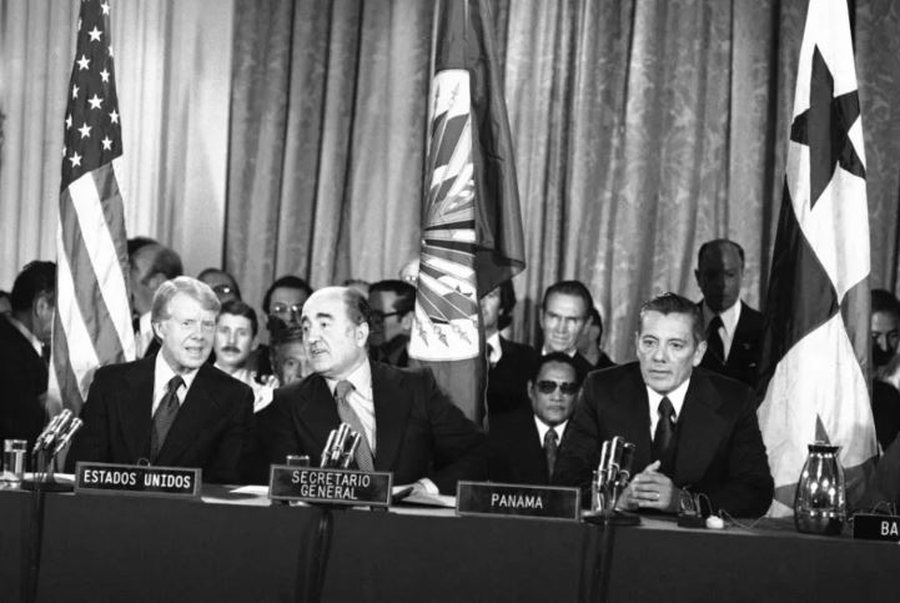
Panama then took care to allay global concerns that it would not be able to properly manage the canal. Just five years after taking over, it doubled the canal's revenue, reduced the accident rate and embarked on an ambitious expansion plan. While management and most workers were once foreigners, today about 92% of the workforce is Panamanian.
The problem of drought
Donald Trump's threat to retake the Panama Canal is not the only problem facing the region. Severe drought has plagued the canal recently, with 2023 set to be the third driest year on record. The lack of water has significantly reduced the number of ships that can pass through the canal, and countries around the world are concerned about the potential impact on global trade if the canal's water levels drop too low.
The Panamanian government has taken steps to address this issue since 2007, when expansion efforts began, preparing a new man-made lake to help provide water for the canal as well as Panama's drinking water, and pouring funds into water recycling efforts.
“The search continues for a set of long-term, concrete solutions,” the ACP announced in November 2023. “There is no simple answer or project that can immediately solve the water problem. However, Panama will be needed to secure the canal for years to come.”/ CNN




Lini një Përgjigje