


 Shkruar nga Grégor Puppinck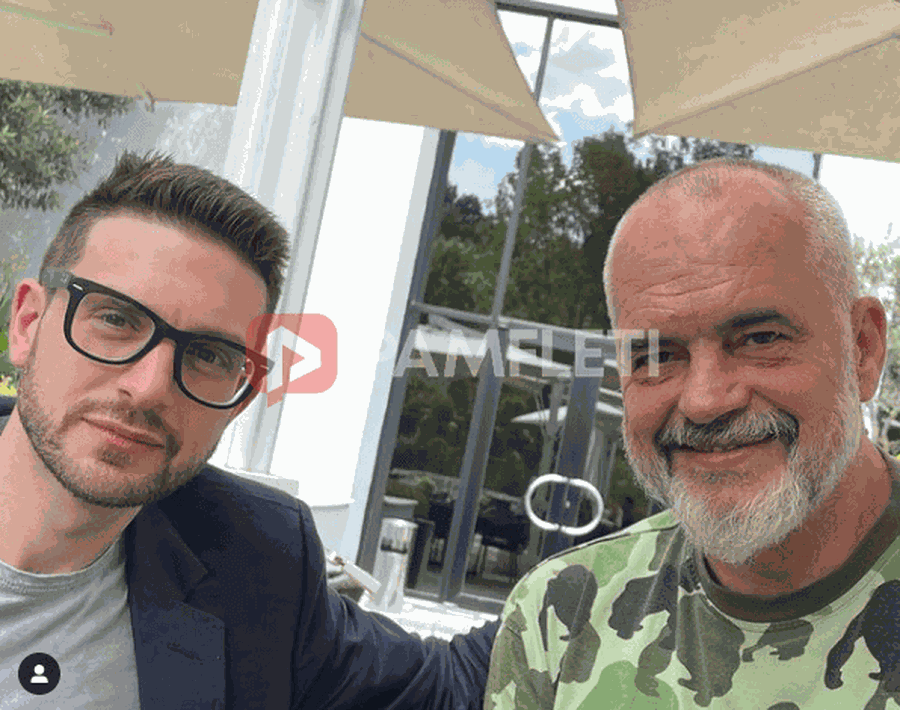
At a time when Alexander Soros has announced his intention to concentrate the activities of the Open Society in the Balkans, Ukraine and Moldova, the European Center for Law and Justice reveals how the Open Society of the Soros family has managed to extend its power in Albania and through it, in the European institutions.
Historically, Open Society Foundations (OSF) have been particularly active and influential in Central Europe. Albania is an example of this investment and influence strategy. This small country has only 2.7 million inhabitants, with an extremely low GDP per capita of €6,000 per year. It is also said to be the country "most affected by administrative corruption, the highest in the region, with 57% of citizens being asked for a bribe at least occasionally and 47% participating in corrupt transactions," according to Euractiv. The country is a hub for drug trafficking, human trafficking, money laundering... It is also a major base for the OSF.
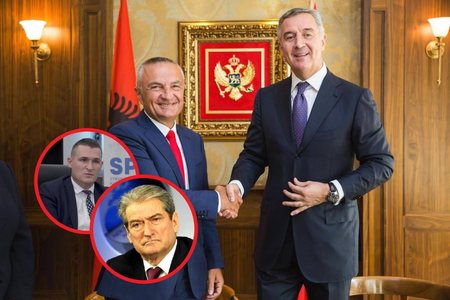
Since 2013, the country is governed by the socialist Edi Rama, a close associate of George and Alexander Soros. Soros and Edi Rama meet regularly and call themselves "brothers". Between 1992 and 2020, George and Alexander Soros' Open Society Foundations invested over $131 million in Albania, supporting Mr. Rama's rise to power and then his government. Therefore, the influence of the OSF in Albania is considerable, so much so that Ilir Meta, the former president of Albania, accused George Soros of trying to capture the state.
After the election of Mr. Rama as prime minister, one of the main operations of the OSF was the promotion of reform in the justice system in Albania. According to Andi Dobrush, Executive Director of OSF Albania, "OSF Albania has been the main financier of the entire reform process". OSF has also worked in cooperation with the Democratic administration of the USA, through USAID and with the European Union. USAID contributed $60 million from 2000 to 2015 to Albania's justice sector, with OSF helping to distribute these amounts. Some US senators have expressed concern about this cooperation, which they believe is aimed at strengthening the government's power over the justice system.
The judicial reform includes a reorganization of the judicial appointment system and an anti-corruption selection mechanism. The opposition has denounced this reform as aiming to enable the government to take control of justice. The role of OSF in this reform was especially denounced.
Precisely against this background, in 2019, the Albanian government would nominate three candidates for the position of judge in the ECtHR. The choice of the government was Sokol Berberi, Marjana Semini and Darian Pavli. Berberi and Pavli are former OSF employees and players in the justice reform process, as is Artur Metani, High Inspector of Justice. Metani is also the brother of the socialist minister Eglantina Gjermeni and adviser to the prime minister.
The local press expressed regret for the fact that these three candidates had not been subjected to the anti-corruption procedure, contrary to what the government would have implied, since Mr. Berberi had left the judiciary while Mr. Pavli had never been a magistrate.
Në fund, ishte zoti Pavli ai që u zgjodh në GJEDNJ nga Asambleja Parlamentare e Këshillit të Evropës. I lindur në vitin 1975 në Vlorë, Shqipëri, Darian Pavli është një student i diplomuar i Universitetit të Evropës Qendrore në Budapest, universiteti i themeluar dhe financuar nga George Soros. Ai ka punuar për Human Rights Ëatch (e financuar gjithashtu nga OSF), si dhe për Shoqërinë e Hapur midis 2003 dhe 2017, veçanërisht në Nju Jork. Ai është shtetas amerikan. Puna e tij përfshinte procese gjyqësore strategjike me synimin për të prodhuar efekt politik nëpërmjet jurisprudencës. Darian Pavli është kushëri i kryeministrit Rama.
Në vitin 2015, ai u bë këshilltar i komisionit të posaçëm parlamentar të Kuvendit të Shqipërisë për reformën në drejtësi, më pas u rikthye në OSF, si drejtor programi për Shqipërinë. Ai gjithashtu punon me Këshillin e Evropës dhe Bashkimin Evropian për reformën në sistemin e drejtësisë shqiptare. Z. Pavli ka pasur kështu një karrierë tipike si avokat i Shoqërisë së Hapur.
Ai nuk ka pasur asnjëherë përvojë si gjyqtar dhe paraqitet si avokat. Ligji shqiptar kërkon 15 vjet përvojë si gjyqtar, profesor i drejtësisë ose avokat për t'u emëruar si gjyqtar në GJEDNJ. Kjo ngre një pyetje serioze nëse zoti Pavli pretendon të jetë avokat i lartë. Ai jo vetëm që nuk specifikon asnjëherë se cilës shoqatë i avokatëve i përket, apo viti në të cilin është pranuar, por është i panjohur edhe për shoqatat e mëdha të avokatëve amerikanë si Nju Jorku dhe Uashingtoni. Sa i përket Dhomës së Avokatëve të Shqipërisë, ajo çuditërisht refuzon të sqarojë këtë pikë me arsyetimin se ka të bëjë me jetën private të zotit Pavli. Një tjetër çudi është se në çështjet juridike në të cilat ai ka qenë i përfshirë, si rasti El-Masri, z. Pavli nuk vepron si avokat, por përfaqësohet nga një avokat.
Pasi u emërua në GJEDNJ, z. Pavli gjykoi çështje që sfidonin përputhshmërinë e reformës gjyqësore të Shqipërisë me Konventën Evropiane, duke e vendosur veten në një konflikt të qartë interesi në disa raste. Një pjesë e shtypit shqiptar e ka denoncuar këtë konflikt interesi. Kjo është edhe më mbresëlënëse duke qenë se tema e këtyre gjykimeve është shumë politike dhe e kontestuar fort nga opozita.
Sa i përket zotit Sokol Berberit, i cili ka punuar edhe me OSF-në, thuhet se ai është shkarkuar nga Këshilli i Evropës për shkak të marrëdhënies së tij me Agron Xhafajn, një trafikant ndërkombëtar droge. Ai është edhe vëllai i Fatmir Xhafajt, ministrit të Brendshëm të Ramës, i cili dha dorëheqjen në vitin 2018, “më pak se një javë pas një operacioni të madh policor kundër krimit të organizuar dhe trafikut të drogës”.
This is just one example of the influence of OSF in a poor and corrupt country like Albania.
This situation shows how difficult it is to make a pan-European institution, consisting of a part of these countries, work. What is true for Albania is also true for other European countries. A senior Council of Europe official told me recently: "You would not believe how difficult it is to find suitable candidates for the ECtHR in some countries. This difficulty is understandable, but hard to accept when it touches composition of the highest court of Europe". / Adapted "Pamphlet" from "European Center for Law and Justice"
*Grégor Puppinck, is the Director of the European Center for Law and Justice (ECLJ).


Lini një Përgjigje