


 Shkruar nga Pamfleti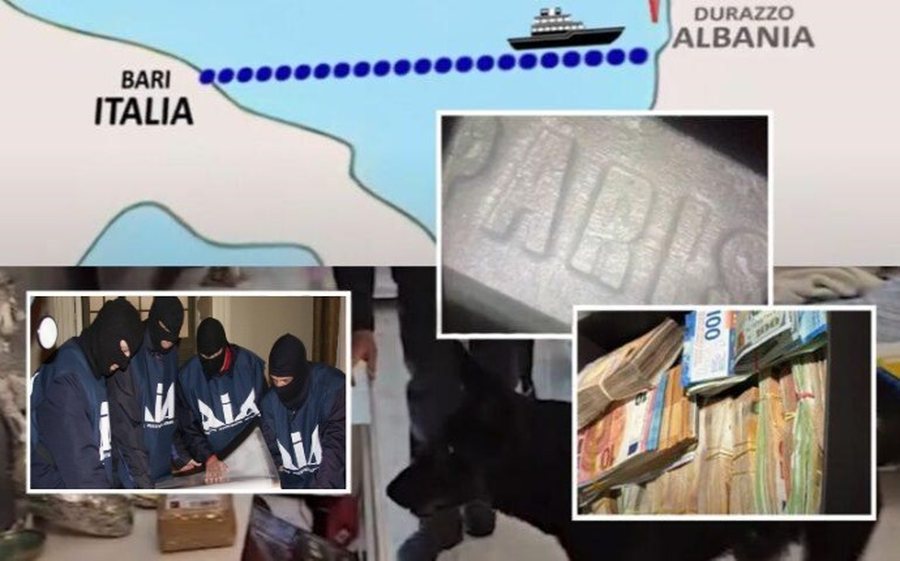
From Tirana to Europe, how Albanian organizations control drug trafficking
Albanian criminal organizations have evolved into more sophisticated forms of crime, with a cross-border dimension, and have gained considerable influence in international drug markets, according to the latest report by the Direzione Centrale per i Servizi Antidroga (DCSA).
The report notes that the increasingly professional management of drug trafficking, from production to distribution, has allowed Albanian groups to act as trusted and coordinated intermediaries, using encrypted technology for secure communications between members. The discovery of the encrypted platform Sky ECC, used by Albanian groups to manage various types of illegal trafficking, has helped investigators understand their structure: a concentric system, where the promoters of the organization remain at the center and the operative members operate at local and international levels.
The report highlights that Albanian groups have expanded their activity in Italy, establishing stable links with the local mafia, especially in Puglia, and with the 'Ndrangheta clans involved in cocaine trafficking. They also control the trafficking of cannabis and heroin to Western Europe via the "Balkan Route", using contacts established in countries such as Spain, the United Kingdom, Belgium, the Netherlands and France.
The DCSA also reports that Albanian groups have used illegal financial operations and identity changes to evade authorities' checks, taking control of companies used to launder illicit proceeds. According to the report, Albania has served as an epicenter for the distribution of cannabis to Western Europe, including Italy, Croatia, Hungary, Austria and the Netherlands, where they actively cooperate with Moroccan criminal organizations.
The DCSA report also highlights the ongoing collaboration of Albanian organizations with Turkish criminal groups, Colombian cartels, and criminal elements from the Maghreb, the former Yugoslavia, and Nigeria, to manage international drug trafficking and related criminal activities.
Anti-drug experts warn that these sophisticated international networks are not only focused on drug trafficking, but also on money laundering and the infiltration of legitimate business structures, creating a major challenge for Italian and international authorities.
Excerpt from the report
Gjatë viteve, organizatat kriminale shqiptare kanë zhvilluar strategjitë e tyre drejt formave më të sofistikuara të krimit, të shënuara nga dimensioni i tyre ndërkufitar. Veçanërisht, menaxhimi gjithnjë e më i specializuar i trafikut ndërkombëtar të drogës gjatë gjithë zinxhirit të furnizimit siguron që organizatat kriminale shqiptare, duke u bazuar në struktura tipike mafioze, kanë fituar një nivel ndikimi që u lejon të konsiderohen ndërmjetës të besueshëm dhe të kujdesshëm, jo më kot, sepse janë të aftë të përditësojnë mjetet operacionale.
Në fakt, përdorimi i vazhdueshëm i rrjeteve telefonike të koduara është thelbësor për të siguruar komunikime të sigurta midis anëtarëve të grupeve kriminale, të cilët janë të përfshirë në furnizimin dhe shitjen e drogës, përfshirë edhe për grupe të tjera kriminale.
Zbulimi i platformës së koduar Sky ECC, e cila përdoret gjithashtu nga grupet shqiptare për të menaxhuar çdo lloj trafiku të paligjshëm, u provua të jetë me rëndësi themelore në zbardhjen e më shumë detajeve mbi strukturën tipike të organizatave kriminale shqiptare, të cilat nuk janë piramidale ose hierarkike, por bazohen në rrathë koncentrikë:
Rrethi i parë: pozicioni i mbajtur nga promovuesit e organizatës, zakonisht dy ose tre persona, të lidhur jo vetëm nga një lidhje shoqërore, por edhe nga një lidhje familjare (afërsisht gjithmonë vëllezër, kushërinj ose kunetër, që shpesh operojnë nga vendi i tyre i origjinës);
Rrethi i dytë: pozicioni i mbajtur nga njerëz nga i njëjti qytet ose zonë gjeografike në Shqipëri, të cilët kanë funksione organizative lidhur me aktivitetet e paligjshme;
Rrethi i tretë: pozicioni i mbajtur nga bashkatdhetarë që jetojnë në qytete të tjera dhe kryejnë detyra operative (kuriere, shpërndarës).
Falë aftësisë së tyre për të ruajtur lidhjet me vendin e tyre dhe për të operuar në kufij ndërkombëtarë, organizatat shqiptare janë ndër më aktive në Itali.
Mafia shqiptare ka ndalur tashmë kryerjen e krimeve grabitqare (vjedhje dhe plaçkitje në vila/shtëpi), krimeve të lidhura me shfrytëzimin e prostitucionit dhe tregtimin e thjeshtë të drogës, për t’i zgjeruar ndikimin territorial në trafikun e drogës.
Kjo është veçanërisht e dukshme në tregtinë e paligjshme të kanabisit të prodhuar në Shqipëri, por edhe në droga të tjera, falë një ndërveprimi solid dhe gjithnjë e më të fortë me organizata lokale mafioze, veçanërisht ato në Pulia, të cilat historikisht kanë qenë partnerë të privilegjuar në trafikun e drogës, dhe me elementë të lidhur me klanet e rëndësishme të ‘Ndranghetës të përfshirë në trafikun e kokainës, siç zbuluan hetime të mëdha të koordinuara nga DCSA.
Another feature that has been frequently observed is the influence that Albanian groups have gained in the Italian social structure thanks to their considerable financial resources. Through illegal financial operations, which also involve many Chinese Hawaladars present in the national territory, as well as through the use of identity changes provided for by Albanian law, which allows the avoidance of police checks as well as criminal and administrative proceedings, it is being observed, in particular, the taking under control by representatives of the Albanian mafia of companies or shares in companies that can be used to launder illegal income.
At the international level, the role of "service agency" assumed by Albanian criminal organizations is confirmed by their control over the trafficking of cannabis and heroin towards Western Europe through what is known as the "Balkan Route", facilitated by the "favorable" geographical position of their country in relation to the aforementioned trafficking route.
This role is also confirmed by the international dynamics related to the import and supply of narcotics, by establishing contact persons in various European countries (Spain, the United Kingdom, Belgium, the Netherlands and France), who on the one hand manage relations with representatives of cocaine supply groups from South America, and on the other hand, for several years have been significantly involved in the storage of cocaine destined for the European market in the ports of the Netherlands and Belgium.
Albania, as a producing country, is also the epicenter for the distribution of cannabis in Western Europe, especially in Italy, Croatia, Hungary, the Czech Republic, Austria, France, Germany and, above all, the Netherlands, where Albanian and Moroccan criminal organizations actively cooperate in the illegal trade.
Regarding cooperation with foreign criminal groups, investigative findings show that Albanian organizations have gained extensive control over trafficking by maintaining constant contact with:
Turkish criminal groups , to ensure the transit of heroin through the "Balkan Route", with the involvement of the Bulgarian underworld;
Colombian cartels , for purchasing large quantities of cocaine directly from production countries;
Maghreb criminal organizations , for the trading and street sale of narcotics;
Criminals from the former Yugoslavia and Romanian groups , for managing activities related to other crimes related to drug trafficking;
Nigerian criminal organizations , as the most structured, complex and comprehensive foreign component in international drug trafficking, especially cocaine. / Pamphlet



Lini një Përgjigje