


 Shkruar nga Gjergj Zefi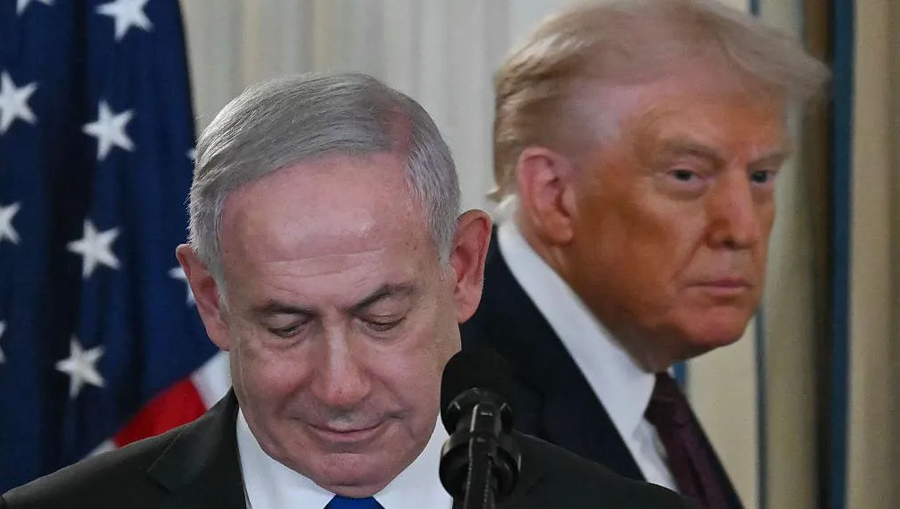
As Donald Trump negotiates with Iran without sharing details with Benjamin Netanyahu, the rift between Washington and Tel Aviv is revealing that the war's objectives were not achieved...
Whenever a war gets closer to its real outcome, propaganda begins to lose its power and facts take the place of slogans. That is exactly what is happening today in the Middle East. As the bombs continue to fall, the political rift between Donald Trump and Benjamin Netanyahu is becoming more visible than the military front itself.
The US administration's decision not to hand over to Israel the full text of the agreement it is negotiating with Iran is not a diplomatic detail. It is a political message. Washington is telling Tel Aviv that American interests no longer automatically align with the interests of the Netanyahu government. For years, Israel has had the privilege of knowing everything before anyone else. Today it is facing a different reality. It is learning what all allies learn when a great power decides to change course.
That's why the nervousness in Tel Aviv is not just about the content of the deal. It's about the fact that Washington is negotiating without asking permission. That means the Trump administration is counting its own economic, military, and electoral costs, not Benjamin Netanyahu's strategic dreams.
At the beginning of the escalation, many propaganda centers presented the conflict as a quick operation that would force Iran to surrender and align the region with Israeli interests. Today, the picture is completely different. Iran remains at the negotiating table. Hormuz remains a pressure factor. The nuclear program has not disappeared. The Iranian regime has not fallen. Meanwhile, America is looking for a political way out.
This is the point where propaganda ends and balance begins. A war is not measured by the number of missiles launched, but by the targets it reaches. If the adversary remains standing, if negotiations replace ultimatums, and if the main ally starts negotiating behind its partner's back, then one must admit that the results fall far short of the initial promises.
The pamphlet warned from the very beginning that the conflict risked producing the opposite of what its architects promised. The longer the conflict dragged on, the greater the pressure on Washington to compromise and the less likely it would be for a clear military victory. Today, the clash between Trump and Netanyahu is confirming precisely this prediction.
The history of modern warfare shows that defeat is not always announced on the battlefield. It often first appears on diplomatic tables, in documents that are hidden from allies, in phone calls that are no longer made, and in agreements that were once unthinkable. It is there that the first signs of failure of a strategy that promised to transform the Middle East and is ending up negotiating with the reality it aimed to eliminate are appearing today. / Pamphlet




Lini një Përgjigje