


 Shkruar nga Pamfleti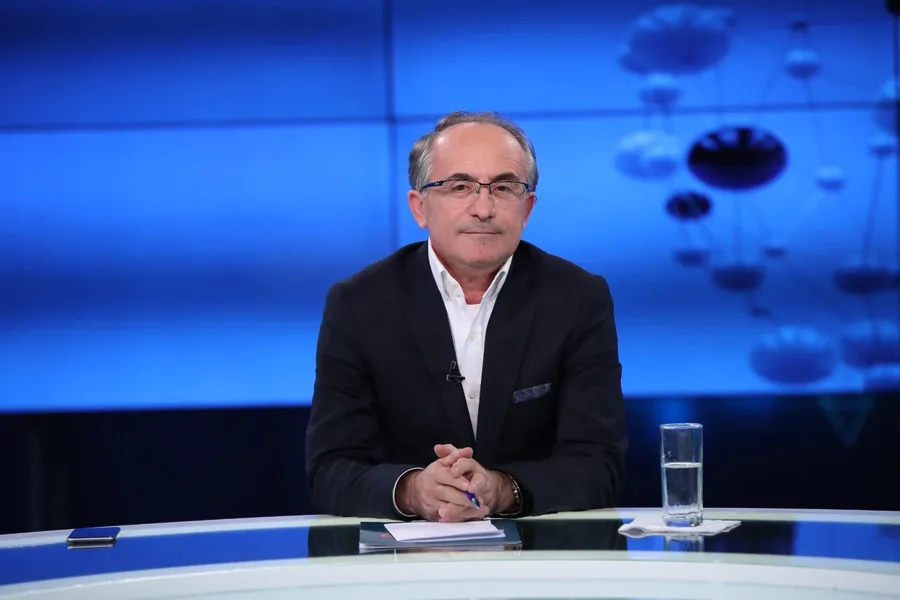
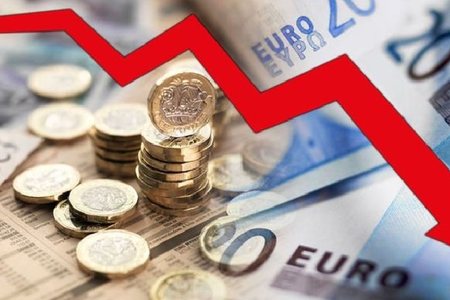
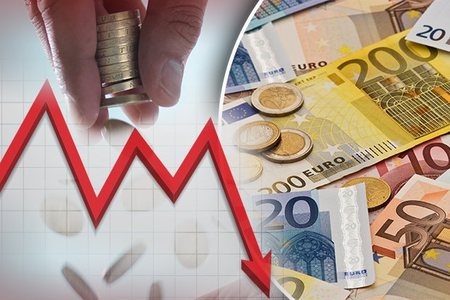
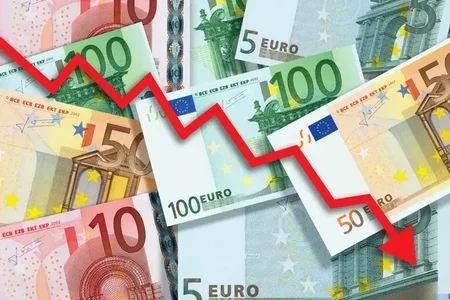
The large inflows in euros have again devalued the European currency, which has dropped today according to the Central Bank rate to 101 lek, the lowest level ever recorded. Considering this trend, very soon it seems that 1 euro will be exchanged for 1 lek in the foreign exchange market.
The expert on economic issues, Selami Xhepa, says that the continuous devaluation of the euro puts the lek under 'pressure', creating concerns for the Albanian economy. For this reason, the expert said in "Dollar Square" that the authorities should pay more attention to the exchange rate.
"The falling trend of the euro in relation to the lek has been on a downward trajectory for a long time. It was expected that this trend would strengthen further. Currently, this monetary amount of foreign currency comes due to the positive performance of tourism and the expectations we have until the end, a continuous increase in the number of tourists in the country. While this is considered a positive development for tourism, it puts tremendous pressure on the national currency, creating serious concerns for the economy, which have actually been present for a long time. As we will see later, exports have been negatively affected to date, but in the future, the effects will be very significant.
On the other hand, these exchange rate developments have a negative effect on the tourism sector itself, because all the operators who have previous contracts linked to the euro, the purchasing power of this currency is low. Meanwhile, an increase in the coming years of tourist packages to compensate for the effect of currency devaluation, will be accompanied by a loss of tourism. In this sense, we have long raised the concern that the monetary authorities should pay more attention to the exchange rate", the expert emphasized.
According to him, the Central Bank should consider the possibility of changing the foreign exchange regime by setting limits for the price of the currency. The economic expert also mentioned the possibility of replacing the lek with the euro as an internal national currency.
"I would also look at the possibility of changing the foreign exchange regime, going towards a managed exchange rate regime where the Central Bank sets some limits and ceilings for the price of the currency. In the context of current developments, this has become a serious issue. The central bank of Switzerland, due to the 2007-2008 crisis, most investors turned to the Swiss franc as a safer currency compared to others, which risked an extraordinary strengthening of the franc, and caused the Swiss central bank , to protect the interests of the national economy, set a floor price above which the value of this money was not allowed to change. I am a supporter of monetary substitution and Albania should move towards the use of the euro as an internal national currency, avoiding a big risk. such as that of the exchange rate. On the other hand, for all critics of this idea, adopting a foreign currency imposes the discipline of a country to avoid the potential for a transition to a crisis.added the expert.
Xhepa said that the impact of the devaluation of the euro on the export sector will continue to be worrying.
"The impact goes beyond exports because the entire domestic manufacturing industry that competes with the import sector is under tremendous competitive pressure because imports can come to the domestic market at a price many times more competitive than domestic production. What this means is that the effects of the exchange rate will be felt much more in other years as well. It is a serious consequence that the authorities cannot ignore," he stressed.


Lini një Përgjigje