


 Shkruar nga Ylli Pata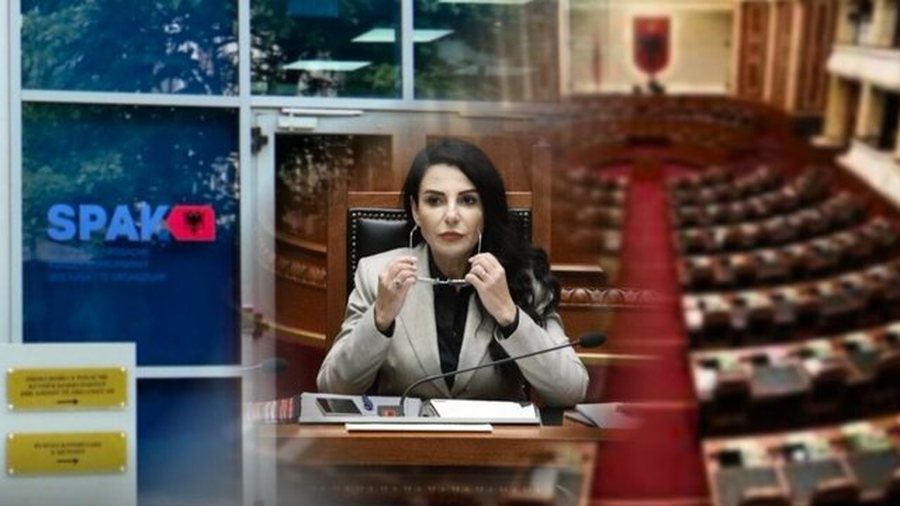
The insistence on disrupting the session seems to have reasons outside of what is considered a political cause.
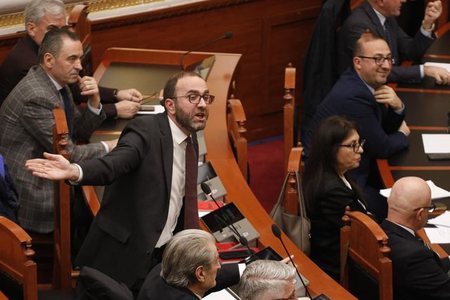
Sali Berisha today advanced Gazment Bardhi's blackmail, adding that the DP could be trapped in Parliament if SPAK is not given permission to arrest Belinda Balluku.
There seem to be several reasons for this extreme stance of the Democratic Party. One reason is that Belinda Balluku will be speaking for the first time, which will likely receive a lot of attention, as she has never spoken out due to the scale of the accusations against her.
The other reason is that Edi Rama himself is expected to speak, and has openly declared that the moment the Mandates Commission report is read, he will also have his say.
These words, in addition to the defensive aspect, regarding the subject matter of the case, will also have the political and polemical part of the phenomenon, whether with SPAK or with the opposition itself. Or with the standard that justice has regarding the major problems of corruption and state crime.
In short, if a normal debate takes place in the Assembly, that debate is unlikely to be simply defensive but accusatory, or offensive, which could lead to great embarrassment.
However, this square is a good field for clashing arguments, for igniting debates, which take place day after day on the podiums of press conferences or on dinner shows.
One thing must be said; the vote for granting permission is done by secret ballot; the same as with the election of the President of the Republic, the same as with the election of the Speaker of the Assembly.
In all the logic of the signature, content, subject matter, but also the opportunity to do politics, the opposition has a golden opportunity, no matter how the majority uses it, because ultimately each party has the opportunity to use the opportunities of the right granted to it by the parliamentary regulations.
But the insistence on disrupting the session seems to have reasons outside of what is considered a political cause.
No matter how much Balluku Edi Rama himself, or the majority, defends himself in the concrete accusation, or even in the narrative of the SPAK investigations, the opposition has a golden opportunity to defend justice in a principled and linear way. As an opposition, it has dialectical linear support for the prosecution's demands, for whoever they come from. Whether to give a signal of resistance, or because it has nothing to lose. In this logic, the costs of a decision or vote in the Assembly are borne by the majority.
After that, the opposition can unleash its imagination and use the political momentum, either to revise its tactics, or to re-establish street revolutions, or other ideas that may come up along the way.
But the preliminary idea of blackmail that it will not allow a regular session at a time when the Assembly assumes the attributes of a court, seems to make no sense.
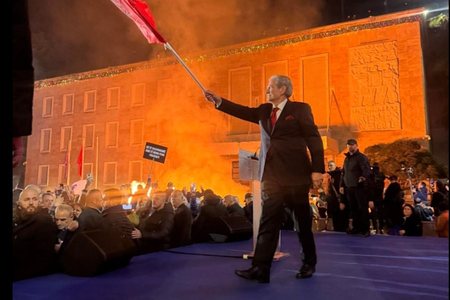
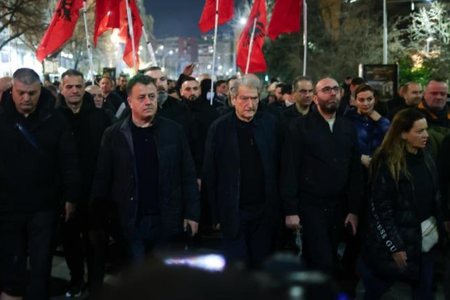
Opposition voices may naturally say: the oppression has thickened, it is time to burst: OK. This could turn into a river of popular support, whether on the streets or in the elections. But if Molotov cocktails and brawls are introduced into the parliamentary session, and the vote takes place as in the case of former Chief Prosecutor Arta Marku, with boots and fireworks, the problem in this case is not the vote, but its handling and clarification. But while in Marku's case, the intention was to ban the act, now the intention is to block the regular process in the Assembly. But if SPAK brings such a request for Sali Berisha, let's say for January 21 or another DP MP, will the opposition demand a regular procedure in the Assembly?



Lini një Përgjigje