


 Shkruar nga Ben Blushi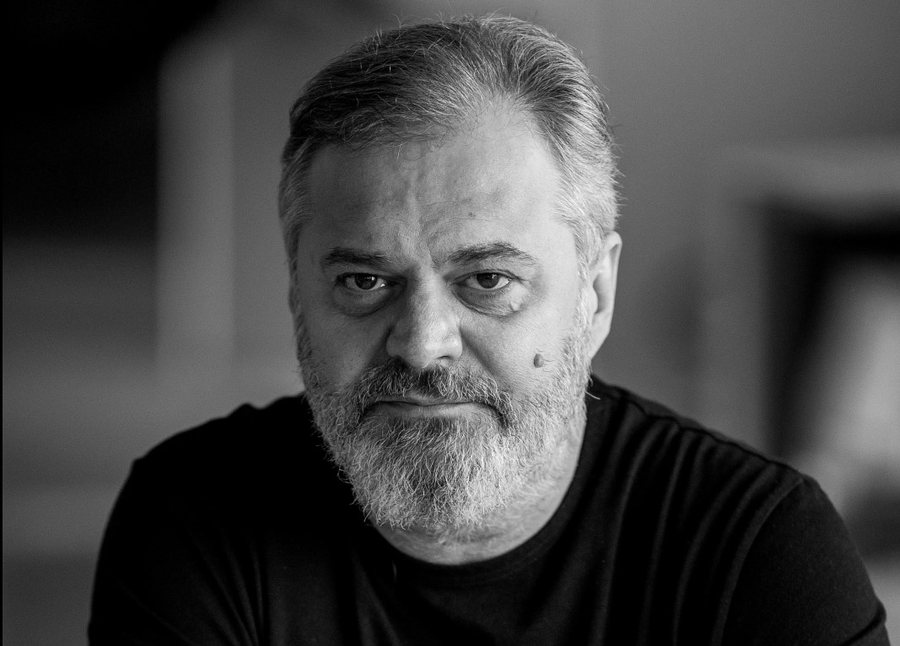
This book is different because of the subject matter. Many people who have read my books in recent years have said that I describe dystopian realities, i.e. dark and wild or, in short, a bad future. Artificial Paradise is not a Dystopia, as my old novel The Conspiracy was, but it is a Utopia. So it's a beautiful reality.
After the presentation of the novel Parajsa Artificiale, many questions have arrived on my website, which I am answering briefly.
1. Why is the book called Artificial Paradise?
Before I answer, I have a question. Who tells me what social order will dominate the world in 50 years or in 200 years? Will capitalism prevail? If so what kind of capitalism? Will it be more humane or wilder than the one we have known in 100 years? Will there be more democracy? Or will there be no more reason to vote? Will communism return in a milder form? If so, will it take away our rights, liberties and property again as it did during the last century? Nobody knows. No one can bet that capitalism will exist forever or that communism will not return. The Artificial Paradise is therefore a social order. This is how I see the future in a few centuries, when technology and Artificial Intelligence have taken over the affairs of humanity, changing the relationship between man and work, between man and money, between man and the state, between man and man. and between man and God. The book describes this kind of world and is therefore called Artificial Paradise. Because of AI we will be able to experience heaven alive, without having to die as God says.
2. What connects you to AI and the future?
I am a person who thinks a lot about the future and the topic of Artificial Intelligence fascinates me. I am amazed to think that most of the hard work we do today from building, farming, transporting, cleaning, digging ditches, laying bricks, collecting garbage will be done by robots thus ending the physical torture that has so crippled many people in history enslaving them. Physical labor has enslaved man for thousands of years. These jobs will be done by robots. They will walk and look like us. While other jobs from bankers, tax collectors, marketing, doctors, nurses, prosecutors and judges will be done by an independent brain that we do not see or meet called Artificial Intelligence. If I were to ask a hundred people in Albania who they trust more, Artificial Intelligence or a judge, most would probably choose the former. Artificial Intelligence can deliver justice faster and better than any judge because it is more capable than him, it doesn't get tired, it doesn't sleep, it doesn't eat, it doesn't go to the beach and it doesn't get corrupted. This kind of world without judges, without policemen, without prosecutors, without tax collectors, without officials, without bureaucracy and without manual workers, fascinates me and therefore I try to reconstruct it through fantasy.
3. Why is this book different from the ones you have written before?
This book is different because of the subject matter. Many people who have read my books in recent years have said that I describe dystopian realities, i.e. dark and wild or, in short, a bad future. Artificial Paradise is not a Dystopia, as my old novel The Conspiracy was, but it is a Utopia. So it's a beautiful reality. On the other hand this book is different because of the style. The novel does not have long descriptions showing how a drop of rain fell on the window when a girl was crying, but there everything is developed through dialogues. So you ask, I answer, I ask, you answer. Perhaps this form can make reading easier by bringing young people closer to the book because they miss the book while dealing with Facebook, Tik Tok and Instagram.
4. Why did you decide to divide the book into two parts, Hell and Heaven?
The novel is divided into two parts which take place during one day. During the morning, the main character tells his girlfriend how he will invent a war to solve her family's drama. The daughter suffers because the parents may separate as the mother no longer loves the father. So he gives her a war since the father is an officer and participating in a war can avoid their divorce by making the father a hero in the eyes of the mother. And since war is all bloody, the first part of the book is called hell. The second part, which takes place during the afternoon, is called paradise because the main character of the book, Simon Shuter, builds paradise through his fantasy using Artificial Intelligence. So build the Future by healing the wounds of Hell.
5. What is the real war in the book between states or characters?
Lufta e vërtetë është ajo mes të mirës dhe të keqes, mes lumturisë dhe trishtimit ,mes dashurisë dhe tradhtisë. Në pjesën e parë të librit, e keqja, trishtimi, tradhtia, ndarja, racizmi dhe intriga fitojnë. Kurse në pjesën e dytë tregohet se si njeriu i të ardhmes përmes Inteligjencës Artificiale do arrijë të zhdukë të keqen, dëshpërimin, varfërinë, pabarazinë, ndarjet fetare dhe etnike si dhe vetë paranë, punën fizike dhe Zotin si armiqtë më të mëdhenj të lumturisë njerëzore.
6. A i trembeni Inteligjencës Artificiale?
Aspak. Unë mendoj se Inteligjenca Artificiale nuk do t’i bëjë dëm njeriut sepse ajo nuk ka asnjë interes material. Njeriu ka vrarë dhe ka shtypur njerëzit e tjerë për ushqim, për prona, për pushtet, për para dhe për urrejtje. Inteligjenca Artificiale nuk urren njeri, nuk ka zili, nuk ka inat dhe nuk do as para, as prona, as pushtet dhe as ushqim. Ajo është e zhveshur nga ambicia. Ajo nuk kërkon të zëvendësojë njeriun sepse është aq inteligjente sa të kuptojë se nuk jeton dot pa njeriun. Kjo është arsyeja që Inteligjenca Artificiale do ta mbrojë njeriun duke e bërë më të fortë, më të shëndetshëm dhe më të lumtur. Më në fund njeriu do gjejë shërbëtorin ideal, atë që do t’ia plotësojë të gjitha dëshirat pa pasur vetë asnjë dëshirë. Ndryshe nga kafshët Inteligjenca Artificiale nuk jeton dot pa njeriun dhe mirëqenia e tij është qëllimi i vetëm i saj.
7. Cili është mesazhi që ky libër kërkon t’i japë lexuesit?
Në radhë të parë Parajsa Artificiale kërkon të japë kënaqësi artistike për ata që e lexojnë. Ai është një roman dhe jo një traktat filozofik. Në thelb është një histori dashurie mes një burri dhe një vajze më të re. Ata kapërcejnë dramat e jetës së tyre duke folur dhe duke ndihmuar njëri - tjetrin. Së dyti, romani kërkon të ndërtojë një maket të se ardhmes. Si do jetë e ardhmja, ky është qëllimi i këtij libri. Personazhi kryesor Simon Shuter kur pyetet nëse është profet thotë : nuk dua të jem profet sepse profetët parashikojnë vetëm gjëra të këqija. Dua të jem Lexues i të Ardhmes.
8. Pas romanit Kandidati dhe Komploti ky është romani i tretë ku personazh kryesor është Simon Shuter. Si mund të jetë një personazh në tre libra?
Simon Shuter is a free character who breaks the rules of society fighting its moral decay and destruction. In the novel The Candidate, he chooses a dead Mayor, making fun of a traditional society, which often votes for the "dead" before the living. In the novel 'Conspiracy' he invents a story saving Albania from foreign invasion and colonization in 2044. While in Artificial Paradise he saves a girl from vanity, emptiness and despair by teaching her how to dream. Simon Shuteri is like someone who puts a mirror in front of society so that it can see itself and change. When she does not change then Simon Shuter intervenes intelligently and ironically although from book to book he is always more beloved, as is the case in Artificial Paradise. At one point he says, I can't wait to stop being human because Artificial Intelligence will take away my ability to do evil.



Lini një Përgjigje