


 Shkruar nga Ylli Pata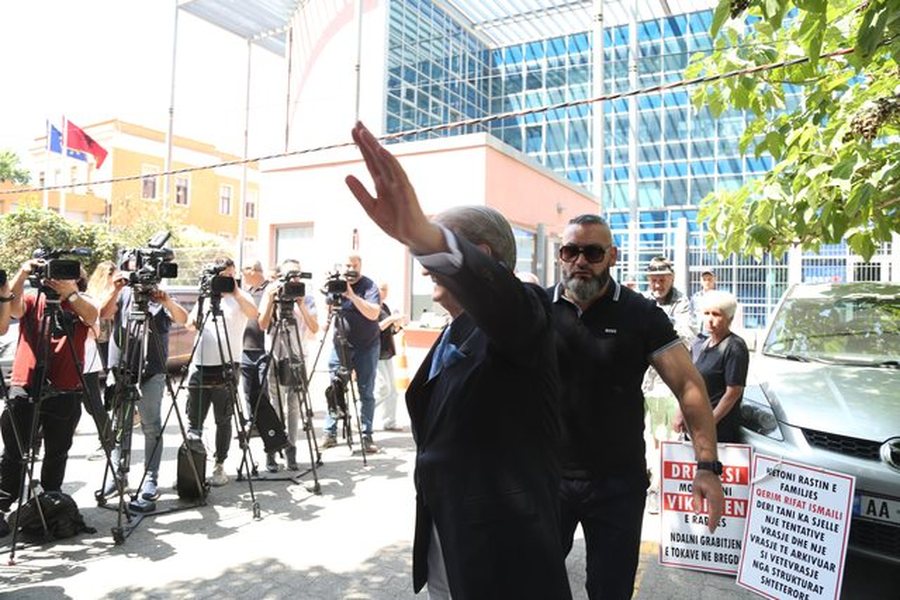
Politics, when it supports this anti-mafia battle, is positive, while more important is the practical support of agencies and institutions that fight the mafia.
Sali Berisha's statements that Albanian drug lords killed Colombian presidential candidate Miguel Uribe Turbay do not seem to have generated headlines in international media, even though this was the intention.
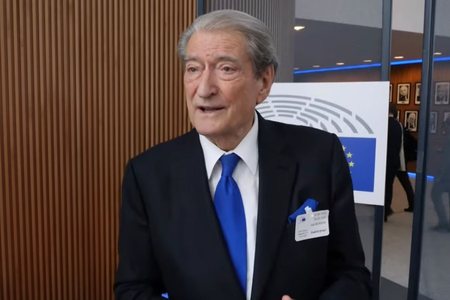
As was the intention at an EPP meeting in Brussels, when he called Edi Rama's government a "narco-state".
It is very likely that in the coming days we will see an advancement of this rhetoric, either from Sali Berisha or his political-media entourage. Meanwhile, the dinner panels will talk more and call on the stage the most famous cocaineologists in the media and television sphere.
However, this rhetoric is unlikely to stick, precisely because it has become a political refrain used in campaigns.
Organized crime, or the mafia as a serious phenomenon of the conclusion of crime with state and social structures, is already an international debate. Trafficking, laundering of their money, reinvestment and then re-investment, are constantly discussed in all European countries and not only. But this is done primarily by well-known investigative journalists, or experts who deal with the mafia on a daily basis, such as anti-mafia prosecutors or Roberto Saviano, who starts and ends his day alone in the prosecution files or court decisions.
Politics, when it supports this anti-mafia battle, is positive, while more important is the practical support of agencies and institutions that fight the mafia.
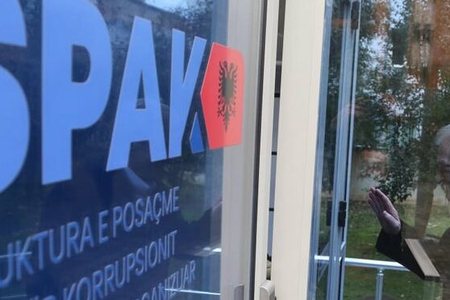
If Sali Berisha attacks SPAK head Altin Dumani, using the surname of a character that the special prosecution has arrested, it only discourages the institution and encourages crime.
When Sali Berisha blackmails the head of SPAK, prosecutors and special judges, we are of course dealing with a political act.
A political act, which is read very well by European and American chancelleries in Tirana, and beyond. If you look carefully, the motive for declaring Berisha Non Grata, by Great Britain, the motive is clearly for "connections with organized crime", that is, with the mafia. And this has emerged in the papers released by the British court, from the complaint made by the leader of the DP.
And the British government, which when it made this decision was led by the conservative right, has done nothing but make a political decision, since the material was brought to it by the United Kingdom's justice system.
As has of course happened with the State Department, which has been spoken about several times by its senior officials. They have said that they have received files and materials from important American institutions, which have been carefully reviewed for a long time.
In other words, the return of anti-narcotics rhetoric, like a blade of grass after the elections, will not stick; on the contrary, it is damp from the start.
Whether the opposition creates a fair and honest anti-mafia narrative, and turns it into a full-fledged and long-term battle, is another matter. But to be credible, this should not be handled either by Berisha or by people who do not have the credibility of intellectual integrity and honesty. As for theorists, they can talk as much as they want for these 12 years, but it will be just a chopped salad…


Lini një Përgjigje