


 Shkruar nga Michael B. G. Froman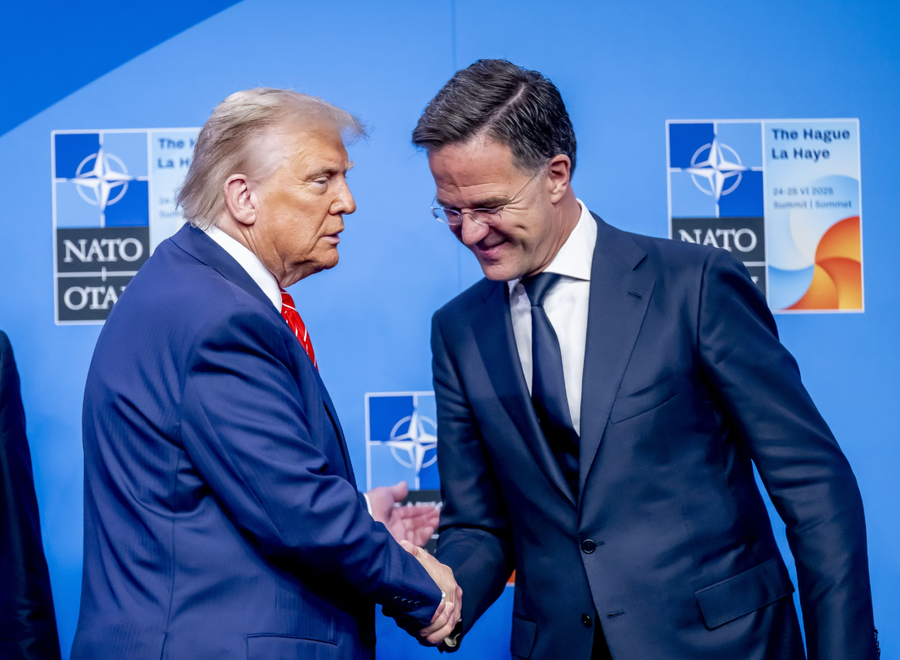
In Munich, the alliance faces its toughest test in history, between high American demands and weak European expectations. The fate of global security now depends on Europe's courage to build strategic autonomy and Washington's will to maintain a healthy partnership...
The 62nd Munich Security Conference, otherwise known as “Davos with guns,” has arrived at a crucial moment. Today, the United States has never asked for
more from Europe, while Europe has never expected less from the United States. This conference represents a true crossroads for transatlantic relations.
Of the two paths that lie before us, the first is a sustainable recalibration of the NATO alliance, with a strong Europe at its core, capable of defending itself, while maintaining a healthy, albeit more reduced, partnership with the United States.
The other path is to continue internal transatlantic squabbles over shared values, national interests, and what each side considers to be a fair division of responsibilities.
The latter is no longer simply a temporary friction within a functioning alliance. It carries the risk of a traumatic split between the United States and its key allies, which would severely undermine both European and American security.
It is in the direct interest of the United States that Secretary of State Marco Rubio – who is leading the Trump administration’s contingent at the conference along with accompanying congressional delegations – maximize progress toward the first path. Regardless of the tone Rubio will adopt at the conference, Europe must unite around meaningful reform.
It must be said that the American side has not made this process easy at all. A year ago in Munich, Vice President JD Vance declared the end of the transatlantic relationship as we had known it until today. According to him, the cause of this crisis was not Russia, China or any other external actor, but what Vance called “the internal threat: the abandonment of fundamental values by Europe”.
In his view, European allies had not only neglected defense capabilities, but had also betrayed the shared values that kept the alliance alive through liberal immigration policies and restrictions on freedom of expression.
His speech was interpreted by many observers on both sides of the Atlantic as an open intervention in favor of the far-right Alternative for Germany party, just a week before national elections.
Siç u bë e qartë më vonë në Strategjinë e Sigurisë Kombëtare 2025 të administratës Trump, fjalimi i Vance nuk ishte një qëndrim emocional i momentit, por një paralajmërim i qartë i politikës së re amerikane. Kjo strategji beson se “shpërbërja e qytetërimit evropian” mund të kundërshtohet pjesërisht përmes mbështetjes për “partitë patriotike evropiane”.
Përplasjet në Davos vetëm pak javë më parë i përkeqësuan edhe më shumë gjërat, veçanërisht kur presidenti Trump u ankua se Evropa nuk ka treguar mirënjohjen e duhur për rolin e SHBA-së në shpëtimin e kontinentit gjatë Luftës së Dytë Botërore.
Ai shtoi se Evropa ka paguar shumë pak për mbrojtjen e saj që prej asaj kohe dhe se ka gjasa që evropianët të mos jenë të gatshëm të sakrifikohen në mbrojtje të Shteteve të Bashkuara në të ardhmen. Ndonëse tensionet janë ulur disi që nga ai moment, perspektiva e përçarjes mbetet e pranishme.
Rubio deklaroi së fundmi se “NATO duhet të ndryshojë tërësisht sa u përket detyrimeve”. Tani pyetja kryesore është nëse ai do ta shfrytëzojë foltoren e Mynihut për një tjetër qortim publik ndaj aleatëve evropianë, apo për të skicuar një vizion të zbatueshëm për bashkëpunimin e ardhshëm transatlantik në fushën e sigurisë.
Shtetet e Bashkuara duhet të vazhdojnë bashkëpunimin me NATO-n, edhe nëse kjo nënkupton një reduktim të angazhimit të tyre të drejtpërdrejtë për sigurinë evropiane. Uashingtoni duhet të mbetet në qendër të përpjekjeve të përbashkëta për t’i dhënë fund luftës mes Rusisë dhe Ukrainës dhe për të garantuar të ardhmen e kësaj të fundit, duke mbështetur krahët lindorë dhe veriorë të Evropës dhe duke shtuar shitjet e armatimeve e zgjeruar partneritetet ushtarako-industriale.
Çështja më urgjente mbetet Ukraina. Duke pasur parasysh synimin e deklaruar të administratës për të zhvendosur barrën e sigurisë te vetë evropianët, do të ishte një lëvizje e mençur që të përcaktohej një qëndrim i qartë dhe ambicioz mbi rolin e Evropës në ruajtjen e çdo paqeje të ardhshme.
Nga ana tjetër, Evropa duhet të marrë vendime të vështira. Ideja e një Evrope më të fortë dhe më të integruar, e parashikuar nga presidenti francez Emmanuel Macron, drejtuesja e BE-së, Ursula von der Leyen, dhe udhëheqës të tjerë, mbetet ende në nivel teorik dhe pengohet nga inercia burokratike e bllokut.
Ish-kryeministrat italianë, Mario Draghi dhe Enrico Letta, kanë përcaktuar tashmë objektivat: një treg të përbashkët kapitali, një ekosistem inovacioni në mbarë kontinentin, një bazë industriale mbrojtëse që kapërcen kufijtë kombëtarë dhe një qeverisje të orientuar drejt produktivitetit dhe investimeve, në vend të procedurave dhe mbirregullimit.
Ndonëse ky vizion ka marrë vrull, “autonomia strategjike” kërkon kompromise politike të dhimbshme, si mobilizimi i mbrojtjes, rritja e deficitit, dorëzimi i një pjese të sovranitetit dhe pranimi i fitimeve të pabarabarta - hapa që mbeten të bllokuar nga interesat e ngushta të shumë shteteve anëtare.
The commitment of NATO allies to spend more is commendable, but it is not enough. European countries must abandon the tendency to finance isolated national projects in favor of a continental and scalable defense industrial base.
They need to invest more in recruiting and training armed forces, not just in purchasing equipment. This requires bold decision-making at a time when Europe lacks strong political leadership. The success of this process would bring new challenges, especially with a continent that is rapidly rearming.
Germany’s military spending by 2025 surpassed that of any other European country, ranking fourth in the world. Britain, France and others will have to adapt to a new reality: a Europe where Germany possesses a powerful military, something the founders of the Munich Conference could hardly have foreseen in 1963.
Building European strategic autonomy and a new relationship with the United States requires much more time than a three-day stay at the Hotel Bayerischer Hof. The worst outcome would be diplomatic noise without any tangible progress.
Otherwise, this conference, originally created to coordinate collective defense against the Soviet Union, risks turning from a forum for strengthening security into a hall where transatlantic divorce proceedings take place. / Prepared by Pamphlet from the "New York Times"
Note: Michael BG Froman, president of the Council on Foreign Relations. He served in the Obama administration as U.S. Trade Representative and Deputy National Security Advisor for International Economic Affairs.




Mendoj se është koha që Evropa të konsolidojë dhe minimizojë varësinë nga SHBA-ja. Kjo po bëhet shumë e kushtueshme për taksapaguesit e BE-së. Më mirë një botë me Amerikën e Bashkuar, Evropën e Bashkuar, Azinë e Bashkuar për një efikasitet më të lartë.