


 Shkruar nga Ilir Çumani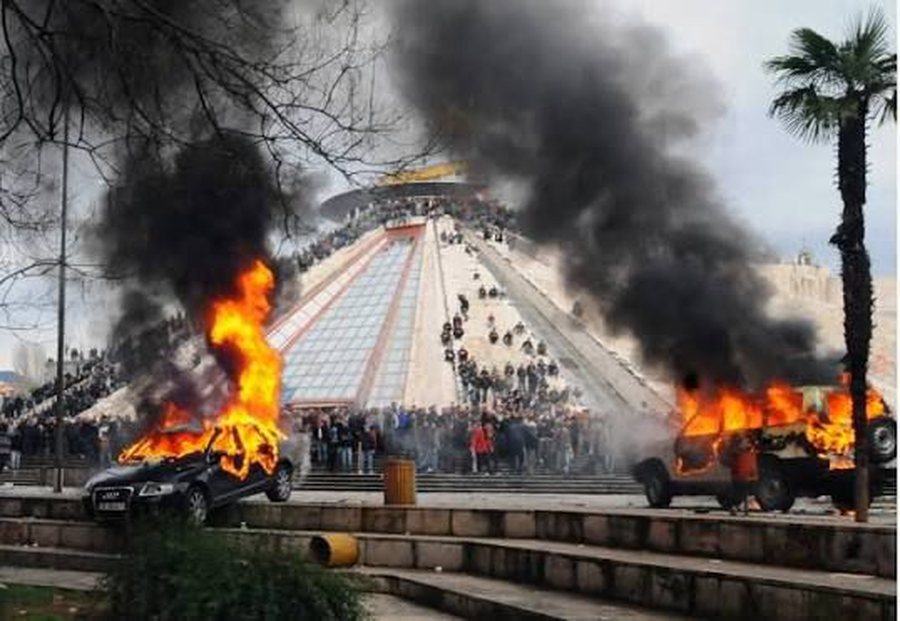
Today, the same person who then spoke of "revolts", "subversion" and "popular justice" calls other protesters "violent" and publicly stigmatizes them, seeking to delegitimize any citizen reaction against his government.
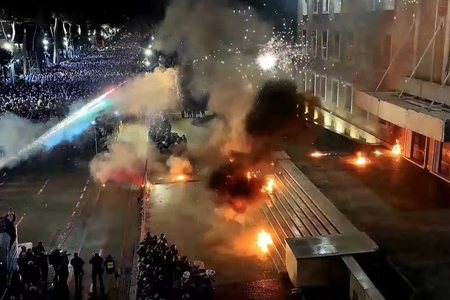
Today's statements by Prime Minister Edi Rama, labeling popular and opposition protests as "violent" due to the use of Molotov cocktails, are not simply another political reaction.
They represent a profound moral and historical paradox, a blatant contradiction between what Rama condemns today and what he himself inspired, incited, and organized violently and with hate speech against institutions and the constitutional order when he was in opposition.
In a democratic state, protest is a constitutional right. But equally constitutional is the responsibility for public speech, especially when it comes from the top of power. There cannot be two standards for the same act, just because the political position has changed.
For those who today rush to condemn violence from the seat of power, historical memory is inevitable.
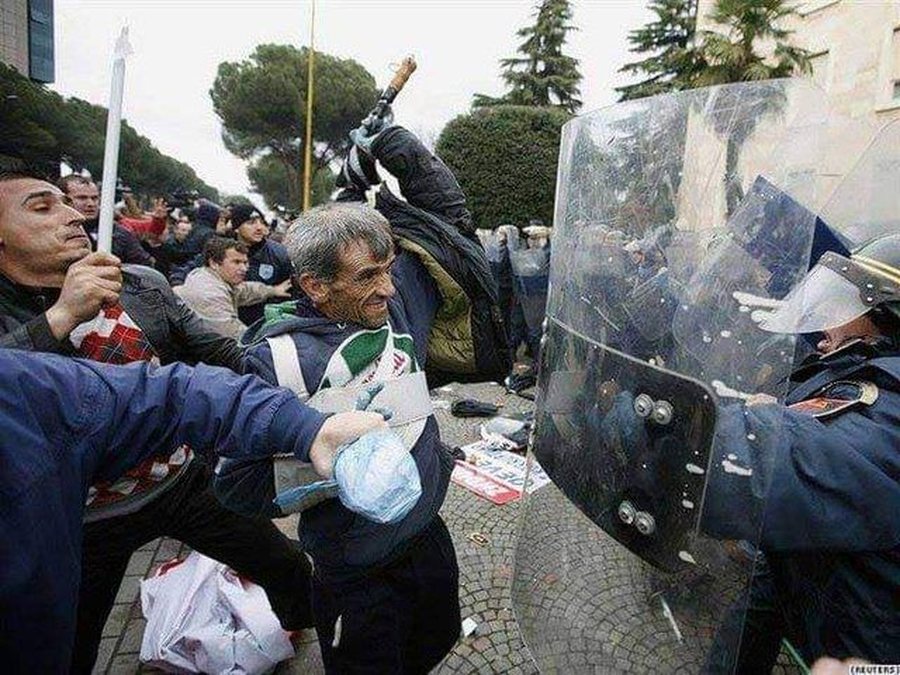
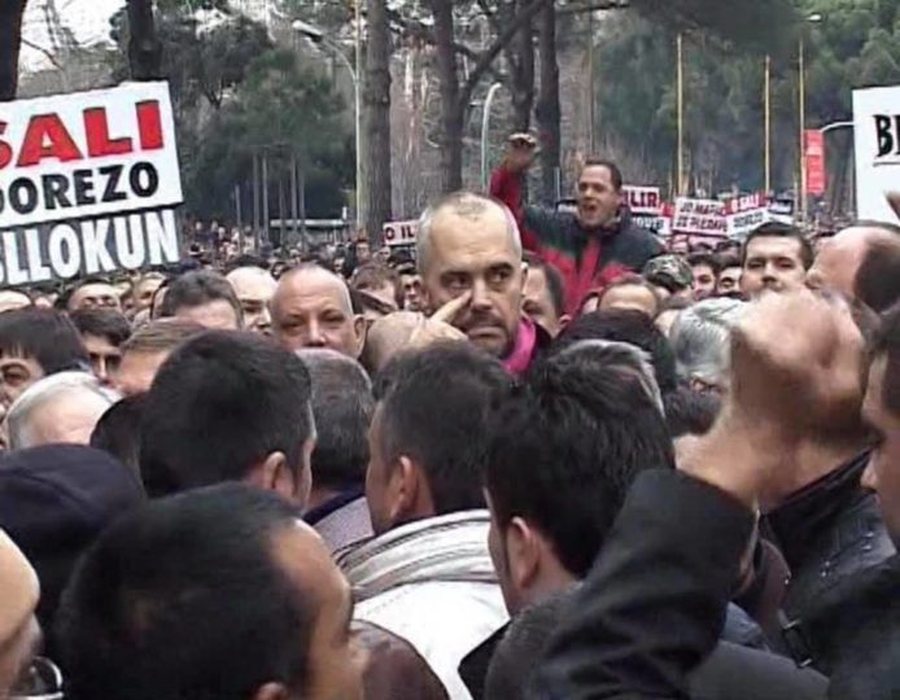
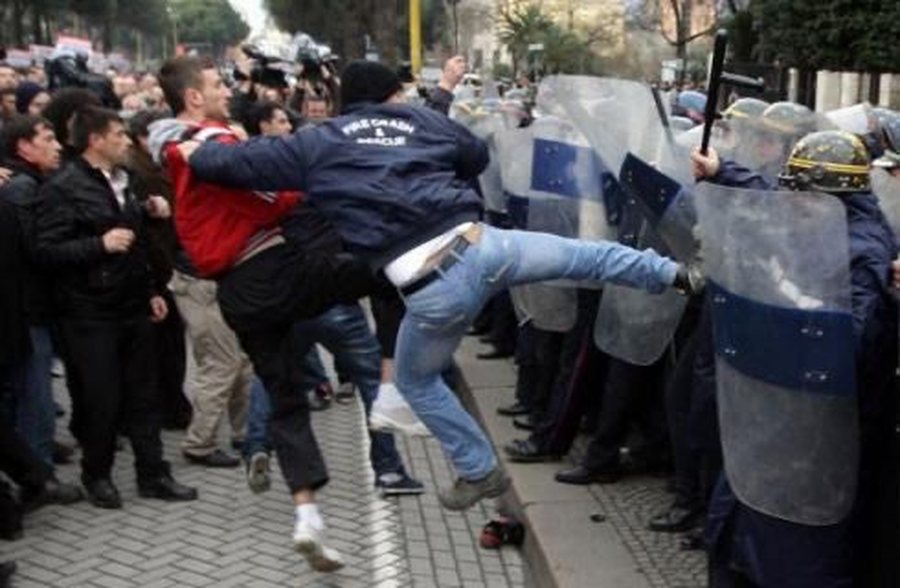
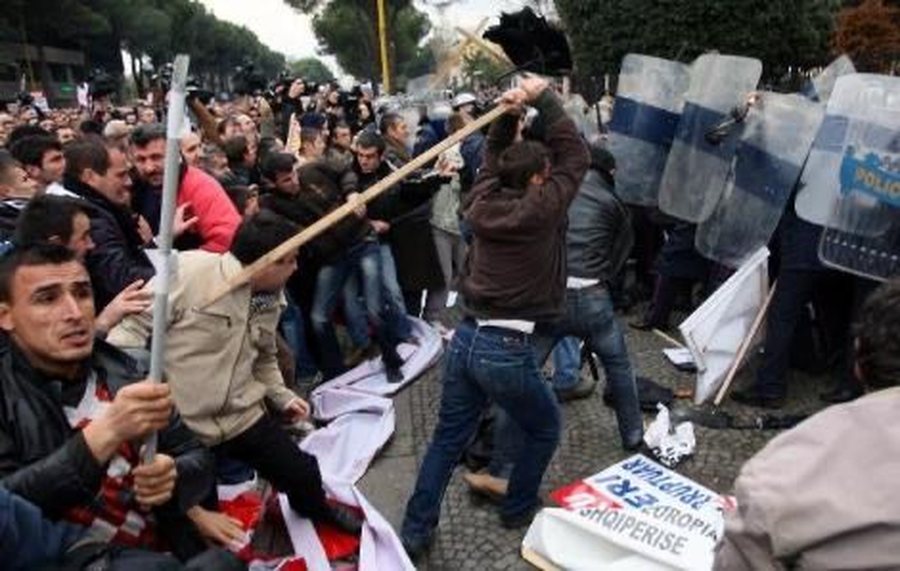
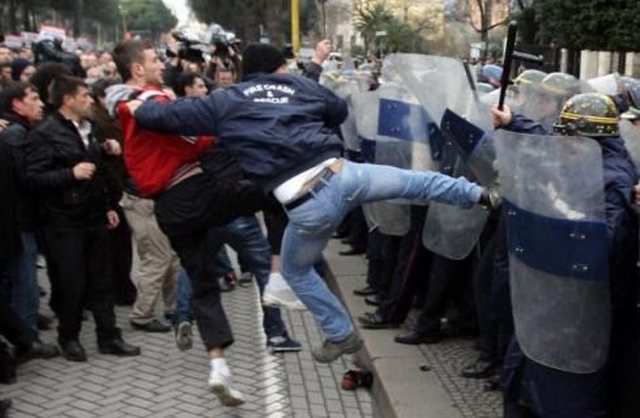
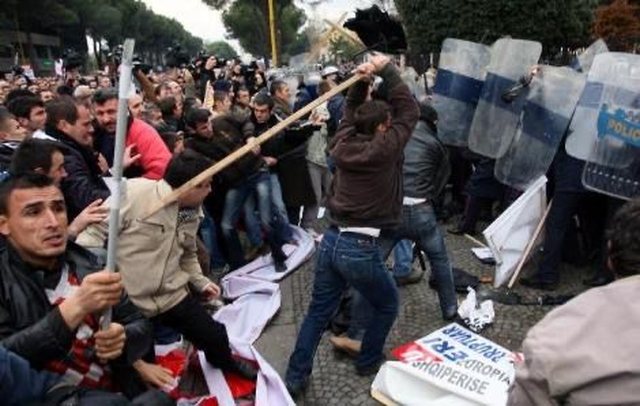
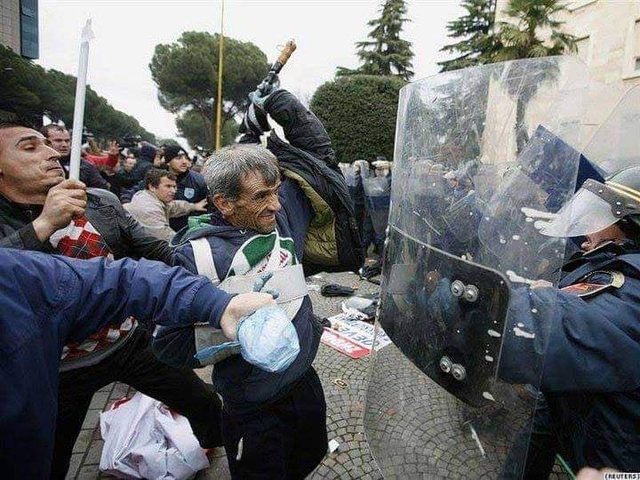
January 21, 2011 was not a symbolic or peaceful protest. It was one of the most violent protests against the institutions of the Albanian state: attacks on the Prime Minister's Office, physical clashes with the police, burning of State Police vehicles, attempts to forcefully enter the main institution of the executive branch.
The protest spiraled out of control and ended in tragedy: four innocent citizens were killed.
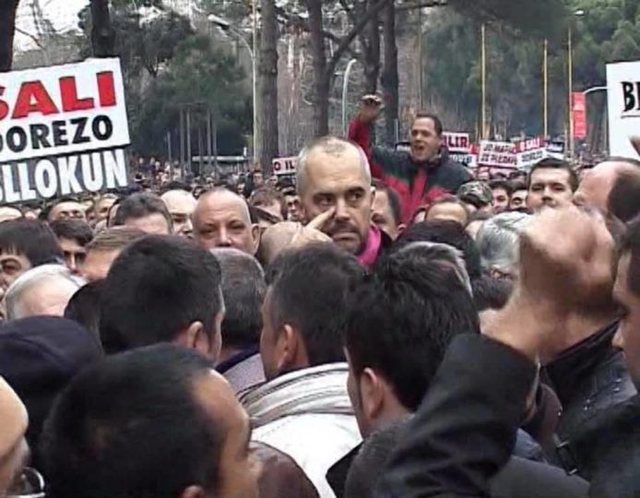
They were not politicians, they were not violent, but citizens who responded with sincerity to the call of the opposition of that time, led by Edi Rama.
An opposition that used the most extreme language, the most extreme tension, and emotional mobilization, without any filter of responsibility for the consequences.
Today, the same person who then spoke of "revolts", "subversion" and "popular justice" calls other protesters "violent" and publicly stigmatizes them, seeking to delegitimize any citizen reaction against his government.
The problem is not just personal hypocrisy. The problem is the institutionalization of a double standard: violence is acceptable when it serves to come to power, but condemnable when it is directed against your power.
A Molotov cocktail only becomes a "criminal act" when it falls on your government; whereas yesterday, burning police cars and attacking institutions were called "popular anger."
This logic distorts the essence of democracy and turns power into a moral arbiter according to the interests of the moment.
If history is rewritten according to political necessity, then the truth is lost and with it public trust.
The four victims of January 21 remain an open wound in Albanian society. They are a reminder of the price paid when politics plays with crowds and tension.
And here lies the most serious paradox: at the time, those citizens were treated as cannon fodder, as instruments of political pressure. Today, they are rarely mentioned, while violence is only selectively condemned.
A leader who has gone through that history and has a significant imprint on that crime does not have the moral luxury to speak with a raised finger, without first making a sincere public reflection, without apologizing, and without accepting political responsibility for what happened.
For the socialists who today call the protest "violent," the images of January 21, 2011 are not propaganda, but historical fact.
Before you react with arrogance from those in power, look back and look at the path you took to get here.
Because a democracy is not measured by the words spoken by those in power, but by the moral coherence of those who exercise it.
And without memory, without reflection, and without equal standards, power is no longer authority – it is simply force.



Lini një Përgjigje