


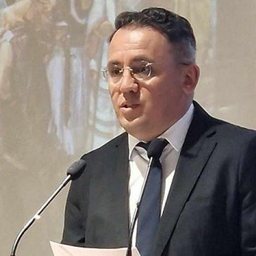
 Shkruar nga Skënder Asani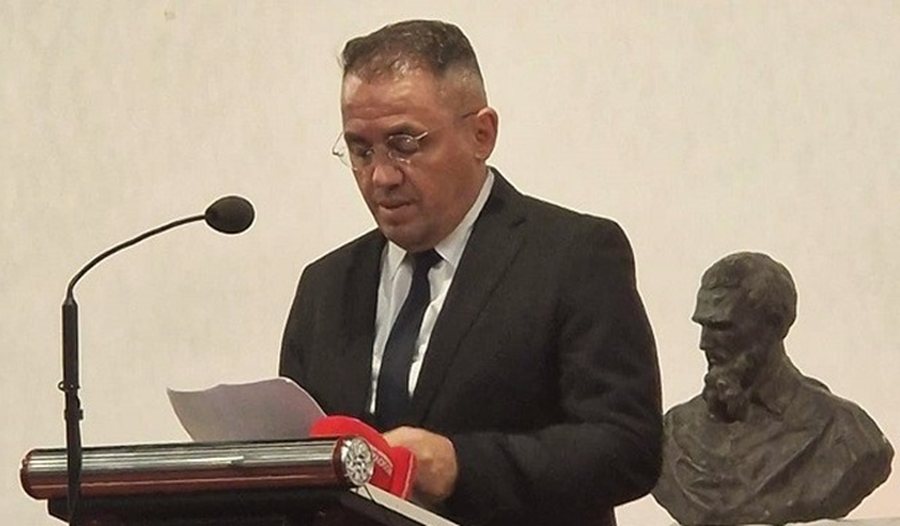
The unitarism applied in North Macedonia does not represent a modern form of state organization, but a remnant of a centralist logic that contradicts the spirit of European integration. For Albanians, the experience with unitarism has been marked by a constant contrast between formal equality and real exclusion.
The debate on unitarism in states with a pronounced multiethnic composition is not simply a constitutional or organizational issue, but a fundamental problem of political philosophy, state legitimacy and democratic sustainability. In the case of North Macedonia, this debate takes on a special dimension due to the combination of the legacy of the conflict, the unfinished process of state building and the challenges of European integration. Within this context, unitarism has passed from a legal concept to a political dogma, which is selectively used to preserve the status quo and to delegitimize any reform efforts that undermine existing power structures. In this way, it has ceased to be a functional instrument of the state and has become a self-defense mechanism of a closed political order.
A deeper analysis requires a clear distinction between territorial and institutional unitarism. While the former represents a consolidated and internationally guaranteed reality, the latter remains a source of internal tensions and a serious obstacle to the democratization of the state. The territorial integrity of North Macedonia no longer constitutes a real political or legal issue, as it is protected by the international order and by NATO membership. In this sense, the instrumentalization of the fear of endangering the borders appears as an artificial narrative, constructed for internal consumption and to avoid the debate on internal institutional reform.
The fundamental problem appears in the dimension of institutional unitarism, which in practice has produced excessive centralization, political uniformity and weakening of representation mechanisms. This model is in open contradiction with the principles on which the European Union is built, which promotes multi-level governance, functional decentralization, separation of powers and inclusive inclusion. In this context, the unitarism applied in North Macedonia does not represent a modern form of state organization, but a remnant of the centralist logic that contradicts the spirit of European integration.
Rezistenca ndaj reformimit të këtij modeli nuk është pasojë e shqetësimit për stabilitetin e shtetit, por reflektim i interesave të një oligarkie politike dhe ekonomike, e cila funksionon më së miri brenda një sistemi të mbyllur dhe të kontrolluar. Integrimi evropian, me kërkesat e tij për transparencë, sundim të ligjit, kontroll të kapitalit dhe institucione të pavarura, perceptohet nga kjo elitë si kërcënim ekzistencial. Për këtë arsye, ruajtja e unitarizmit institucional shndërrohet në strategji mbijetese politike dhe ekonomike, ndërsa retorika për mbrojtjen e shtetit shërben si mbulesë ideologjike.
Historia politike e Maqedonisë së Veriut dëshmon se ideja e ndarjes territoriale nuk ka qenë vetëm spekulim periferik. Disa eksponent akademik maqedonas kishin ofruar projekte konkrete për ndarjen e shtetit, gjë që është konfirmuar publikisht edhe nga Ali Ahmeti, i cili ka deklaruar se një projekt i tillë i ishte ofruar personalisht. Refuzimi i këtij projekti nga lidershipi i atëhershëm i UÇK-së ishte një akt politik për ruajtjen e stabilitetit dhe shmangien e konfliktit.
Megjithatë, ajo që nuk u realizua si ndarje e drejtpërdrejtë territoriale, u rikonceptua në formë inxhinierie zgjedhore, përmes ndarjes së vendit në gjashtë njësi zgjedhore. Kjo ndarje nuk ishte neutrale teknikisht, por e dizajnuar me logjikë politike afatgjatë. Njësia e gjashtë zgjedhore u ndërtua pothuajse identikisht me kufijtë e projektit të ndarjes territoriale, duke prodhuar shumicën e deputetëve shqiptarë pikërisht nga ajo zonë.
Ky dizajnim krijon një precedent të rrezikshëm: deputetët e kësaj njësie mund të instrumentalizohen politikisht për të legjitimuar ndarje të ardhshme, duke e paraqitur atë si rezultat të “vullnetit demokratik”.
Në këtë kontekst duhet lexuar propozimi i VMRO-DPMNE-së në programin zgjedhor të vitit 2024 për uljen e numrit të deputetëve nga 120 në 90 dhe shpalljen e vendit si një njësi e vetme zgjedhore. Ky propozim nuk përfaqëson reformë demokratike, por strategji të qartë për reduktimin e përfaqësimit politik të shqiptarëve, duke synuar reduktimin e tyre nga 5 deri në 10 mandate parlamentare.
Kjo iniciativë vjen pas një procesi të qëllimshëm të dobësimit dhe deatomizimit të subjektit politik shqiptar, proces i cili u intensifikua nga zgjedhjet parlamentare të vitit 2024 e deri te zgjedhjet lokale. Vetëm pasi u krijua ky disbalancim politik, u artikulua hapur ideja e një njësie zgjedhore, duke dëshmuar se kemi të bëjmë me projekt pushteti, jo me reformë sistemike.
Nëse synohet stabilitet i qëndrueshëm dhe perspektivë reale evropiane, ndarja zgjedhore rajonale në tetë njësi zgjedhore paraqitet si alternativa më racionale dhe më përfshirëse. Ky model do të siguronte përfaqësim të drejtë për të gjitha komunitetet etnike, do të zvogëlonte polarizimin etnik dhe do të krijonte kushte për zhvillim ekonomik rajonal.
Such a system would shift political competition from ethnic identity to development programs, harmonizing North Macedonia with European practices of functional democracy.
In multiethnic societies, consensual democracy is not an optional alternative, but a structural necessity. It does not deny the unitary nature of the state, but makes it functional and legitimate through real equality and inclusion. The Ohrid Agreement and the Baden-Württemberg principle represent precisely this logic of democratic balancing, ensuring that decision-making on vital issues is not done to the detriment of non-majority communities. Any attempt to relativize these mechanisms in the name of state efficiency is essentially a return to an exclusionary unitarism.
For Albanians, the experience with unitarism has been marked by a constant contrast between formal equality and real exclusion. Faced with this situation, the answer can be neither the rejection of the state nor political radicalization, but the construction of a state-forming project based on consensual democracy, substantial equality, real representation and a clear Euro-Atlantic orientation. Only such an approach can transform the Albanian factor from a political object into an active subject of state-building.
Unitarism in a multiethnic state cannot survive as a rigid and exclusive concept. It is either reformed in the interests of equality, pluralism and consensus, or it becomes a source of division and instability. In the case of North Macedonia, the real challenge is not the preservation of borders, but the internal democratization of the state. Without this transformation, European integration remains a declarative project, while the state risks remaining hostage to an elite that fears the future. Only a reformed, inclusive unitarism built on real equality can guarantee long-term stability, social cohesion and a sustainable European perspective.



Lini një Përgjigje