


 Shkruar nga Prof. Dr. Gëzim Boçari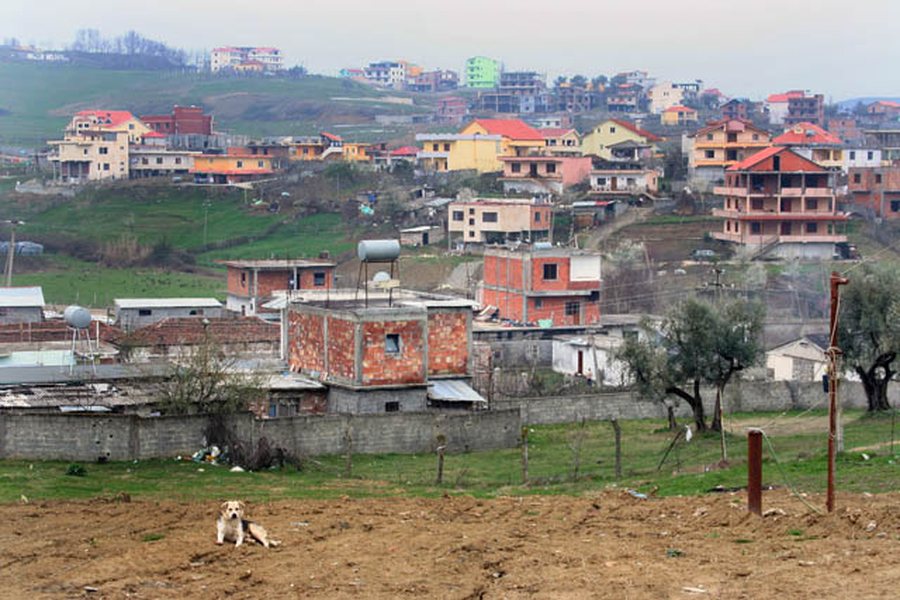
Non-respect of property rights endlessly feeds corruption. Corruption is a deadly threat to democracy, which destroys people's trust in political institutions and state administration, such as the situation in Albania today...
US Ambassador Ms. Yuri Kim at the press conference on 21.06.2023, before leaving Albania, stated that corruption remains a problem for Albania. Very rightly Ms. Yuri Kim emphasized the right to property, demanding that this right be fully guaranteed. We emphasize that 10 years ago, Prime Minister Edi Rama declared in the Parliament of Albania that due to the anarchy with property rights, more than 8,000 people were killed, and this number does not count the families who were trapped and then forced to emigrate to escape the blood feud. In these conditions, the right recommendation of Ms. Yuri Kim should be supplemented with conditioning and monitoring by international institutions for the implementation of the Constitution that continues to be violated.
In order to ensure justice, peace, freedom, rule of law, which are values and serve as the "first pillar" for the expansion of the European Union, the right to property must be respected in accordance with the constitutional obligations, the "European Convention on the Rights of Man", the "Universal Declaration of Human Rights" and on well-defined legal concepts in the jurisprudence of the most democratic countries.
Milton Friedman, the Nobel Prize-winning economist, has stated that property rights are "the most fundamental of human rights and the foundation for all other human rights." According to Friedrich A. Hayek, eminent economist and philosopher and Nobel Prize Winner in Economics… “Private property is the most important guarantee of freedom.”
John Locke, one of the philosophers who has had a great influence on democracy, in the Second Treatise, asserts that civil society was created only for the protection of property. Locke says that "property" means "life, liberty, and wealth." This means that when one is denied his property, he is denied not only his physical wealth but also his life and freedom, which means enslaving him. From the Incas to Aristotle's "Politics", from the Jewish Torah, the Bible and the Koran to the Canon of Leka, all these created the principles that protected private property. They were a general and early protection of private property while prohibiting theft. The right to own and enjoy property is a fundamental part of human rights. Property rights are fundamental to all other rights. The operation of state protection of property rights in a formalized property system, where ownership and transactions are marked and recorded in a clear and indisputable way, enables greater independence for individuals to protect their assets. and ensures clear, verifiable and defensible ownership; this increases serious and long-term investments, especially foreign ones; increases the confidence that comes from greater certainty in the punishment of fraud in economic transactions and allows economic development. verifiable and defensible; this increases serious and long-term investments, especially foreign ones; increases the confidence that comes from greater certainty in the punishment of fraud in economic transactions and allows economic development. verifiable and defensible; this increases serious and long-term investments, especially foreign ones; increases the confidence that comes from greater certainty in the punishment of fraud in economic transactions and allows economic development.
Non-respect of property rights endlessly feeds corruption. Corruption is a deadly threat to democracy, which destroys people's trust in political institutions and state administration, such as the situation in Albania today. Failure to respect property rights creates a real risk that democracy will not work and will turn into a masquerade and disappear.
Një pasurim i padrejtë është një përfitim i marrë gabimisht për shkak të ligjit apo fakteve ose rastësisht. Në jurisprudencën e vendeve demokratike është pranuar gjerësisht se ai që merr një përfitim në dëm të pronarit të ligjshëm duhet të bëjë kthimin e tyre pronarit të ligjshëm, prona e të cilit vërtetohet se është e blerë, e dhuruar apo e trashëguar. Një pasurim të cilit i mungon baza ligjore konform kushtetutës është i padrejtë dhe ky është një transferim i paefektshëm për të çuar në një ndryshim përfundimtar të së drejtës së pronësisë për pronarin që vërteton se pronën e ka të blerë të dhuruar dhe të trashëguar siç përcakton neni 41 i Kushtetutës. Kjo situatë dominon në bregdetin Vlorë -Sarandë dhe në prill 2021 është bërë publike nga Banka Botërore. Askush nuk kundërshton se shtetin e bën ligji dhe shkelësi i ligjit duhet ndëshkuar. Vetingu dhe transparenca e pronave duhet të fillojë me shtetin. Shoqatat e pronarëve kanë deklaruar shumë herë se prona zgjidhet shpejt dhe pa faturë financiare nëse secili merr pronën e tij sipas dokumenteve të origjinës dhe detyrimeve kushtetuese , por kjo kërkon vullnet politik ose kushtëzim nga ndërkombëtarët.
Problemi i pronës drejtohet nga Kryeministri, i cili si drejtues i Kadastrës duhet të urdhërojë verifikimin e ligjshmërisë së titujve të pronësisë, duke filluar me rastet që vetë Departamenti i Kontrollit Anti-korrupsion i Kryeministrisë dhe Kontrolli i Lartë i Shtetit, i kanë konstatuar dhe i kanë bërë publike si akte absolutisht të paligjshme, por për zbatimin e ligjit nuk është bërë asnjë veprim për zbatimin e ligjit. Gjykata Kushtetuese mund t’a realizojë zgjidhjen e ngërçit nëse në arsyetimin e një rasti konflikti për pronat do të përcaktojë se çfarë prone duhet kompensuar, të kërkojë zbatimin e nenit 181/2 të Kushtetutës, duke saktësuar që kompensimi të përfshijë vetëm pronat që janë tjetërsuar për nevoja publike, por jo prona të përfituara nga klanet e politikës me akte NUL.
Solving the property rights issue that gives undisputed property titles will prevent further loss of human life, increase safety and social stability and pave the way to the EU. In conclusion, the solution to the institutional anarchy that has continued since 1991 requires political will but also international conditions for the implementation of the Constitution.




Lini një Përgjigje