


 Shkruar nga Gabriel Elefteriu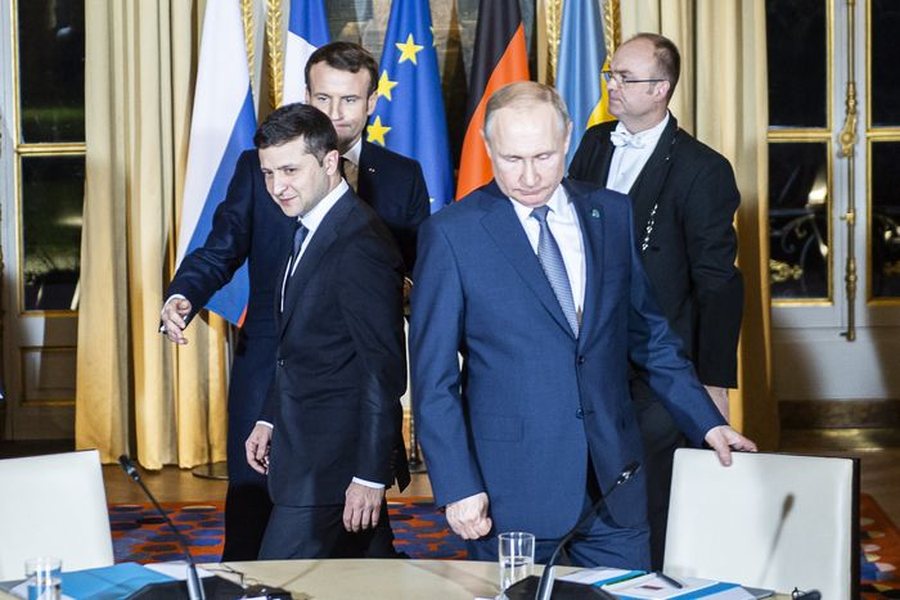
The Russian president is a failing tyrant in Ukraine, but the Russians support him and the war...
To the American writer F. Scott Fitzgerald we owe one of the most profound observations about human reasoning. In a 1936 essay entitled "The Ruin," he wrote: "The test of a first-rate human intelligence is the ability to hold two opposite ideas in mind at the same time, and still retain the ability to functioned".
By this standard, the Western debate over the war in Ukraine is genius. But the fact is that from the beginning, we have been fixated on wrong assumptions, wrapped in logical fallacies that live within quite a few contradictions. And the result is that in the third year of the war, Russia is on the offensive, well equipped and armed, and the conflict has no end in sight. Here are the 7 problematic contradictions of this war:
1. Contradiction of the threat: Russia is weak, but also a big threat to NATO
Before the Ukraine war, the West saw Russia as a weak "troublemaker" rather than a serious challenge. Even after the illegal annexation of Crimea, John McCain called Russia a "gas station masquerading as a country". For Barack Obama, it was no more than a "regional power".
Since the 2022 invasion, most Western analysts have derided the Russian military's battlefield behavior. It is repeatedly said that the Russians are making minimal gains at great cost in men and equipment. But General Cavoli, NATO's top commander, openly admitted last month that the Russian military has expanded by 15 percent since the invasion, and that it is being rebuilt "much faster" than originally expected.
Likewise, the Russian war machine would have destroyed 2 or 3 times the fighting capacity of Ukraine by now, and it is likely that Kiev would have already capitulated, were it not for the large amount of Western financial and military aid, which surpasses even the Marshall Plan.
2 The Putin Controversy: The Russian President Is a Failing Tyrant in Ukraine, But Russians Support Him and the War
The assumption that Putin was in a delicate position because the Russian people would not support his "special military operation" played an important role in the West's decision to invest heavily in this indirect war against Russia. And that assumption has never gone away, despite all evidence to the contrary.
Whenever there is a political event in Russia, be it Prigozhin's crazy adventure
last year or Shoigu's departure from the Ministry of Defense, there is always a chorus of voices
që paralajmërojnë fundin e sundimit të tij. Por fakti është se Putini mbetet ende popullor në Rusi, dhe rusët i mbështesin politikat e tij. Kjo mund të ndryshojë, sidomos nëse politikat e tij nisin të dështojnë. Por deri më tani ai ka qenë shumë i suksesshëm, si brenda dhe jashtë vendit.
3. Kontradikta e izolimit: Rusia është e izoluar, por sanksionet nuk po funksionojnë
Ideja se një Rusi e përjashtuar nga shoqëria e civilizuar dhe subjekt i sanksioneve më të forta në histori, është qetësuese për zyrtarët dhe analistët perëndimorë. Por asnjë nga këto nuk është e vërtetë. Sepse pjesa më e madhe e Jugut Global, ka mbajtur në rastin më të mirë një qëndrim të paqartë ose neutral ndaj Rusisë në raport me luftën në Ukrainë.
Me strukturat e tyre alternative si BRICS (Brazili, Rusia, India, Kina, Afrika e Jugut, Irani, Egjipti, Etiopia dhe Emiratet e Bashkuara Arabe) ose përmes ndërhyrjeve hibride, si ato të mercenarëve të Moskës në Afrikë, Kina dhe Rusia po zënë pozicione gjithnjë e më strategjike në Jugun Global.
Nga ana tjetër Rusia, jo vetëm që po vazhdon të marrë artikuj “të ndaluar” nga furnizuesit kinezë dhe madje evropianë (që operojnë nëpër vende si Kirgistani), por edhe vetë Ukraina vazhdon të arkëtojë nga Moska tarifat e kalimit tranzit të gazit rus si përpara luftës.
4 Kontradikta ligjore: Nuk mund të tolerohet thyerja e rregullave nga Putin, e megjithatë ne duhet t’i thyejmë për ta mposhtur atë
Na është thënë shpeshherë, se një nga arsyet kryesore për mbështetjen e Ukrainës, është mbrojtja e një rendi të bazuar në rregulla, dhe dhënia e shembullit se shkelësit e rregullave do të mbajnë përgjegjësi. Pra është para së gjithash një luftë morale:e mira kundër së keqes.
Sigurisht, është një kauzë e mirë dhe e dobishme, por njëherazi edhe e brishtë. Pasi mbart rrezikun e madh të komprometimit të kësaj busulle morale shumë të rëndësishme, nëse në ndjekje të “drejtësisë” përdorim disa nga metodat dhe parimet e atyre që kundërshtojmë.
E tillë ishte rusofobia ekstreme që kaploi shoqëritë perëndimore që nga shkurti i 2022-shit. Ajo madje çoi në situata absurde si ndalimi i kompozitorëve të muzikës klasike ruse nga programet e koncerteve. Një hap më problematik, dhe me pasoja politike, është ngrirja arbitrare e aseteve valutore ruse në bankat perëndimore në ditët e para të pushtimit, edhe pa qenë zyrtarisht në luftë me të. Kjo ka nxitur shumë vendeve të Jugut Global, të zhvendosin një pjesë të rezervave të tyre valutore në monedha jo-perëndimore.
5. Kontradikta e strategjisë: S’ka paqe derisa Ukrainë të rimarrë të gjitha territoret e humbura, por në këto kushte Rusia do të vazhdojë të luftojë
Sot flitet shumë mbi mënyrën sesi duhet të “mposhtet” Putini, dhe se si Ukraina duhet të luftojë për të arritur “fitoren”. Por askush nuk ka shpjeguar se çfarë do të thotë “fitore” në
a war against a state like Russia that possesses nuclear weapons. All the talk about war resembles a kind of theater, where peace has become a completely abstract notion based on preconditions that everyone knows are not realistic (eg full restoration of the territorial integrity of Ukraine including Crimea).
But even if the miracle happens, and Kiev regains all the lost territories, it cannot force Russia to make peace. Because the latter may continue to launch long-range missile attacks against Ukraine from across the border.
6. The Escalation Controversy: Putin Is a Reckless Leader, Yet It's Safe to Send European Troops to Ukraine
In Europe there is a chorus of voices, first spurred on by Emmanuel Macron, warning of sending NATO troops to Ukraine to play non-combat roles away from the front line. This idea is absolute nonsense, risking not only the alliance's political unity, but a full escalation into full-frontal war with Russia.
But none of these risks are accepted by the European advocates of this adventure. For some of them, Putin "wouldn't dare", apparently out of concern to avoid a war with NATO. But this perspective coexists strangely with the long-held Western view of Putin as a reckless leader, capable of crazy decisions like… the invasion of Ukraine.
7. Moral Controversy: Helping Ukraine Risks War With Russia, But We Shouldn't Tell Kiev What To Do
The West owes Ukraine nothing, as the Ukrainians themselves have admitted. However, rightly so, Western countries have decided to support Kiev's fight against this barbaric invasion. But things have evolved. What was originally "help" has turned into a "salvage chambermaid".
Now Ukraine is completely dependent on what it receives from its Western sponsors. The motto used by all Western officials is that only Ukrainians can decide how and when to move toward peace negotiations. But at the same time, we are told that this is not only Ukraine's war, but also our war, so collectively we have to pay to supply the Ukrainian army./ Adapted Pamphlet from "Brussels Signal"
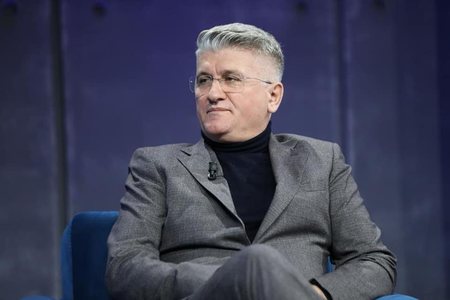
Note: Gabriel Eleftheriu, deputy director at the Geostrategy Council in London and fellow at the Yorktown Institute in Washington.



Lini një Përgjigje