


 Shkruar nga Thoma Gëllçi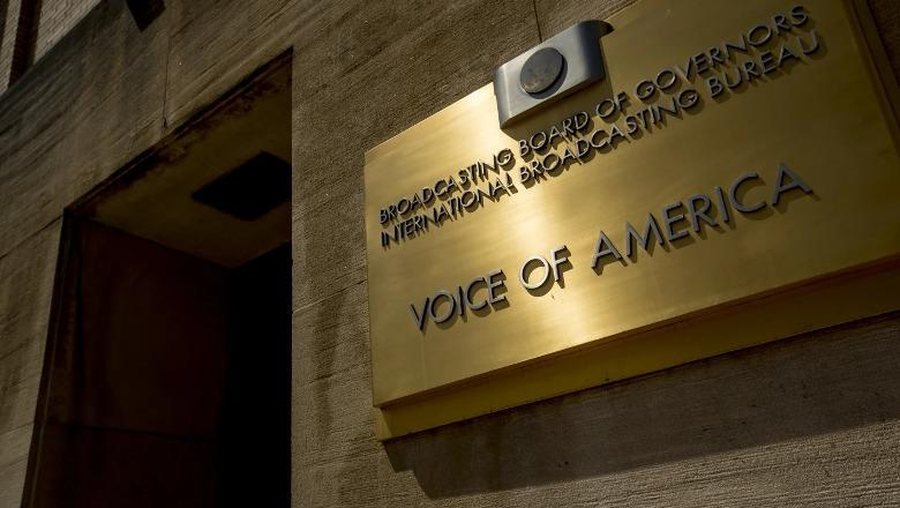
For the United States, the Voice of America represented a core idea of modern diplomacy: that the power of a state is not measured only by weapons and economy, but also by the ability to communicate honestly with the world.
Eighty-four years ago, in a world torn apart by war, propaganda, and fear, Voice of America began its broadcasts with a promise that was not just a program introduction but a founding moral act: that the truth, even when it is unpleasant, is stronger than any organized lie. In an era when radio had become instruments of mass manipulation, Voice of America was conceived as something else: not as a megaphone of power, but as an information tool that aimed to build long-term trust. This was a huge political and cultural gamble, because trust is not imposed, but earned.
For the United States, the Voice of America represented a fundamental idea of modern diplomacy: that the power of a state is not measured only by weapons and economy, but also by the ability to communicate honestly with the world. America aimed to show that a democracy can speak openly, even about its mistakes, without turning information into propaganda. This principle has not always been applied perfectly, but it has always remained the foundation of the institution's identity. This is precisely what distinguished the Voice of America from the state media of authoritarian regimes: it did not promise perfection, but tried to be credible.
For Albania, Voice of America had a much more concrete and existential significance. In the decades of communist isolation, Voice of America was not simply a source of news, but a crack in the wall of silence. In a country where the press was an extension of the Party and public speech functioned as an ideological command, listening to Voice of America was a small but significant act of individual autonomy. It did not overthrow the dictatorship, but it eroded it every day, proving that reality was not what was broadcast from official Tirana. The regime called it “enemy radio,” because independent information is the greatest enemy of any system that survives on fear.
Its importance for Albanians did not lie only in its political content. It lay in the language, in the tone, in the fact that the Albanian word could be used without clichés, without slogans, without fear. It was another model of public communication, calm and rational, that silently educated the listener with the idea that critical thinking is permissible. This cultural influence is often overlooked, but without it it is difficult to understand why Albanian society, once the system was opened, had an extraordinary hunger for free media, for debate, for alternative voices.
Pas vitit 1990, Zëri i Amerikës kaloi nga statusi i medias së ndaluar në atë të referencës profesionale. Në një treg mediatik të ri, shpesh të politizuar dhe të kapur nga interesa të ngushta, ai shërbeu si standard gazetarie: ndarje mes lajmit dhe opinionit, verifikim faktesh, respekt për publikun. Për shumë gazetarë shqiptarë, ishte shkollë profesionale dhe etike. Jo një model për t’u kopjuar mekanikisht, por një kujtesë se gazetaria nuk është shërbim për pushtetin, por për publikun.
Pikërisht për këtë arsye, vendimi i administratës Trump për të ndërmarrë hapa që çuan në mbylljen praktike të Zërit të Amerikës përbën një kthesë dramatike dhe paradoksale në historinë e politikës amerikane të informacionit. Për herë të parë pas më shumë se tetë dekadash, Amerika zgjodhi të heshtë zërin e vet publik ndërkombëtar jo si pasojë e luftës, por si rezultat i një vendimi politik të brendshëm. Qindra gazetarë u nxorën jashtë funksionit, transmetimet u ndërprenë dhe një institucion i ndërtuar mbi besueshmëri u la në harresë administrative.
Ky vendim u mor në një moment kur bota përballet me sfida të rënda globale: agresioni i vazhdueshëm rus kundër Ukrainës, rrëshqitja demokratike në shumë vende të Euroazisë, operacionet agresive të ndikimit të Kinës, represioni i Iranit, kriza e Venezuelës, si dhe konfliktet e vazhdueshme në Lindjen e Mesme dhe Afrikë. Në këtë kontekst, heshtja e Zërit të Amerikës nuk krijon thjesht një boshllëk informativ; ajo hap një terren të lirë për kundërshtarët strategjikë të demokracive perëndimore që të formësojnë politikat e tyre, të shtrembërojnë faktet dhe të dominojnë hapësirat e informacionit ku më parë ekzistonte një alternativë e besueshme.
Ironia është e thellë: një vend që historikisht e ka konsideruar lirinë e fjalës si armë strategjike, vendosi ta çarmatosë veten në fushën e informacionit. Kjo nuk është thjesht çështje buxheti apo reforme administrative; është zgjedhje politike me pasoja gjeopolitike. Sepse në botën e sotme, luftërat nuk zhvillohen vetëm me raketa, por edhe me fjalë dhe informacion. Dhe kur një zë i besueshëm hesht, zërat e tjerë , shpesh më agresivë dhe më pak të ndershëm , mbushin hapësirën.
Për Shqipërinë, kjo ngjarje ka edhe një dimension simbolik. Një shoqëri që dikur e priste me ankth dhe shpresë sinjalin e Zërit të Amerikës, sot duhet të pyesë veten se sa e konsoliduar është marrëdhënia jonë me lirinë e medias. Sa herë që kritika etiketohet si armiqësi, sa herë që gazetaria ngatërrohet me propagandën, ne tregojmë se ende nuk e kemi përvetësuar plotësisht mësimin që ky zë na dha për dekada.
The 84th anniversary of Voice of America is not just a date to commemorate. It is a moment of reflection on the value of free speech as an institution. It reminds us that democracy does not begin with elections, but with free information; it is not sustained by slogans, but by transparency; and it does not survive without media that dare not please those in power. When free speech is silenced, not stability, but darkness prevails. And history has taught us that darkness is rarely neutral.



Lini një Përgjigje