


 Shkruar nga Pamfleti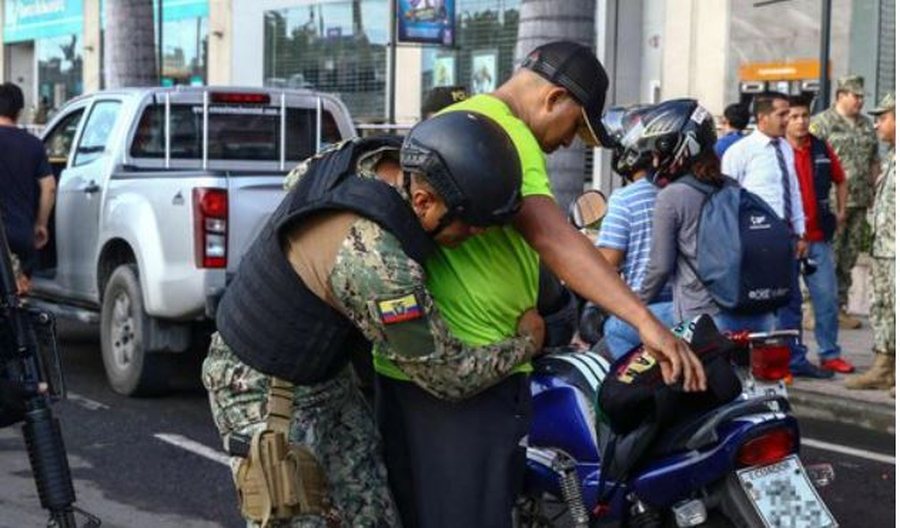
Ground wars over drug trafficking have caused the murder rate to quintuple in six years in Ecuador, writes "The Times".
Guayaquil in Ecuador is now one of the most dangerous cities in the world. It was once one of the safest countries in Latin America, relatively undisturbed by the violence of its neighbors. Now Ecuador is at the mercy of a crime wave run by drug cartels, local outlaws and international gangsters.
Since 2016, the homicide rate has increased fivefold. The Pacific city of Guayaquil, once popular with retirees for its picturesque plazas and excellent healthcare, now ranks alongside Juarez in Mexico and Port-au-Prince in Haiti on a list of the world's most dangerous cities. The province of Esmeraldas, which borders Colombia, had 82 murders per 100,000 people last year, twice as many as in 2021. In the UK the figure is 1.1 per 100,000.
A week ago six people were killed and six wounded in a gun battle in Guayaquil. A car stopped on a road and at least four men opened fire on their targets.
"They kill each other without mercy," said police colonel Marcelo Castillo.
Ecuadorians blame President Guillermo Lasso for not doing enough
The horrific attacks take place inside prisons, where rival gangs, trapped in a confined space, settle their accounts. In the last two years, 430 prisoners have been killed. On Wednesday three were found hanged in a prison in Riobamba, south of the capital Quito. Prison staff are traumatized as they have to retrieve the limbs of inmates who have been beaten to death.
The crime wave is bringing political consequences. Guillermo Lasso, the conservative president, has lost support since taking office in 2021, in part because Ecuadorians blame him for not doing enough to curb the violence.
Last month, in an attempt to impeach him on corruption charges he says are baseless, he dissolved congress and called elections for August.
Last year Cynthia Viteri, the mayor of Guayaquil, told the president that "criminal gangs have become a state within a state."
Analysts often point to an event in the region as a key turning point. In 2016, Colombia signed a peace agreement with Farc, the Revolutionary Armed Forces of Colombia. For decades it had financed itself through drug trafficking, but its reduced involvement in such activities after the peace agreement gave others a chance to fill the void.
Of particular interest were Ecuador's Pacific ports, which the Farc had used as a base for international cocaine trafficking. Several groups have competed ruthlessly for this territory.
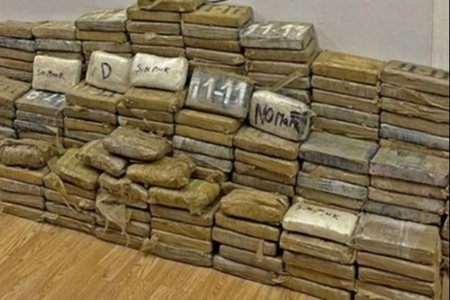
Some of the most powerful drug-running organizations in Guayaquil are run by Albanians. One, known as the 'Farruku' Clan, was broken up by Spanish police last April. Officers arrested 17 people accused of transporting two tons of cocaine, hidden in frozen fish, from Guayaquil.
Rreth 3000 shqiptarë mendohet se janë të vendosur në qytet. Vendi është tërheqës për bandat nga Ballkani pjesërisht sepse deri në vitin 2020 shqiptarët dhe qytetarët e tjerë të Evropës Lindore nuk kishin nevojë për vizë hyrjeje për të hyrë; ata mund të mbërrinin si turistë dhe të zgjatnin vazhdimisht qëndrimin e tyre. Një avantazh tjetër që ata kanë gjetur është se ekonomia është dollarizuar, duke thjeshtuar pastrimin e parave. Dhe dokumentet e rreme janë jashtëzakonisht të lehta për t'u marrë.
"Ekuadori është bërë një pikë e nxehtë për trafikantët shqiptarë të nivelit të ulët dhe të mesëm, shumë prej të cilëve përballen me akuza penale dhe kërkojnë të rifillojnë karrierën e tyre jashtë Evropës," tha vitin e kaluar InSight Crime, një organizatë investigative e lajmeve që fokusohet në krimin e organizuar.
Në një shenjë të suksesit të trafikantëve evropianë të drogës në Ekuador, ka pasur një ndryshim të dukshëm vitet e fundit në destinacionin e kokainës së trafikuar nga vendi. Në vitin 2019 vetëm 9 për qind e drogës së sekuestruar ishte e destinuar për në Evropë. Deri në vitin 2021 kjo shifër ishte rritur në 30 për qind.
Policia ka zbuluar gjithashtu një rritje të vrasjeve të stilit mafioz italian në Guayaquil. Në janar të vitit të kaluar, në një nga vrasjet më famëkeqe të vendit, Ergys Dashi, një bos i kartelit shqiptar, u qëllua për vdekje para dhjetëra dëshmitarëve në një restorant në qytet.
Ergys u përball me disa urdhër-arreste në Evropë për trafik droge, shfrytëzim seksual dhe posedim armësh. Në Ekuador ai kishte një dosje kriminale krejtësisht të pastër dhe nuk ishte pjesë e asnjë hetimi policor.
The Ecuadorian government says it is cracking down on violence and says its drug seizures are at record levels. In April Lasso changed the law to allow ordinary citizens to bear arms. He said they all faced the "common enemy" of organized crime and should be able to defend themselves.
"There are now troubling signs that organized crime has chosen parts of the state," said Will Freeman, fellow for Latin American studies at the Council on Foreign Relations.




Lini një Përgjigje