


 Shkruar nga Pamfleti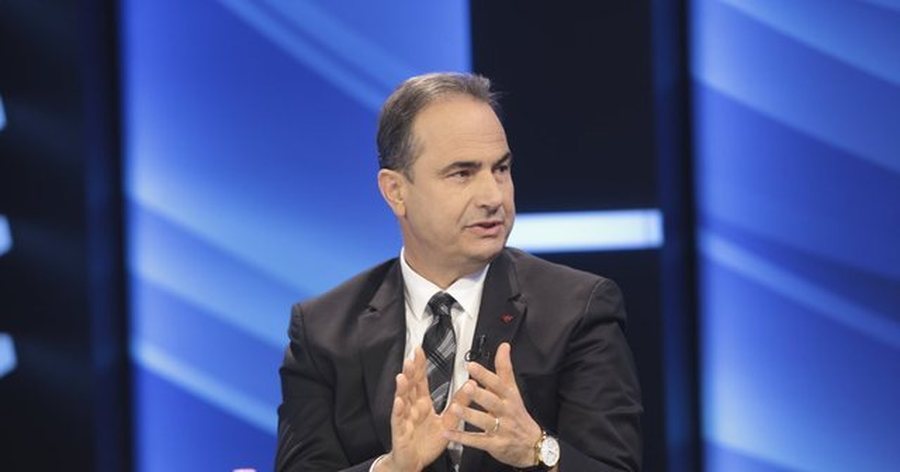
Democratic Party MP, Luciano Boçi, has reacted to the Socialist Party's proposals for territorial reform, describing them as unclear and without vision.
In a post on social media, Boçi states that "the four variants presented do not offer a solution", adding that they "aim to preserve the status quo created by the 2015 reform".
He emphasizes that the situation in the country has changed significantly in recent years, noting that "demographic shrinkage and the emptying of rural areas require a new and more in-depth approach."
Criticizing the current model, Boçi states that "the division into 61 municipalities has failed to bring services closer to citizens", while according to him this has led to "increased dependence on the central government and weakening of local government".
As an alternative, the Democratic MP proposes increasing the number of municipalities, arguing that this would "increase local representation, competition and balanced development."
He also emphasized that "Albania needs a real reform that restores trust in governance and brings the state closer to the citizen", opposing changes that he considers "superficial and with political purposes".
"The Socialist Party, without even starting a single hearing, has brought out its territorial reform. Not with a clear project, or with an official balance sheet of what it itself did in 2014, but with four "variants" that overlap with each other.
These variants include functional consolidation, consolidation with decentralization, strengthening of districts and strategic regions. So, we have many sketches, but no serious answers yet.
Although at first glance these versions seem different, they are essentially variations on the same logic, which seeks to preserve the political status quo of the 2015 votes, with some cosmetic corrections.
But today's reality is completely different from that of a decade ago.
Albania has shrunk demographically, emptied out in rural areas, and polarized economically. A map frozen in time cannot cope with a country that has changed so much. But the melting of this map is not done with party “committees”, nor with 36 municipalities, nor with tales of 1001 nights.
The SP variants only create smoke with impressive words like "consolidation of districts", "region", "functionality" to hide the truth, that their reform did not bring the state closer to the citizen. It distanced it.
The 2015 reform was sold as modernization. Today, after almost ten years, no one can say that municipalities have become more efficient, more accountable, or closer to the citizen. On the contrary, today's 61 municipalities represent a model that has worn itself out.
Brenda kësaj ndarje bashkitë e mëdha janë bërë më të varura nga qeveria qendrore, bashkitë e vogla janë bërë më të padukshme dhe më të pafuqishme, ndërsa administrata lokale është politizuar deri në palcë e shumëfishuar për arsye elektorale dhe kontrolli qytetar është dobësuar.
Në këtë kontekst, propozimet e PS për të ruajtur 61 bashkitë, ose zvogëluar ato thelbësisht me disa “përmirësime”, janë si të lyesh fasadën e një ndërtese që ka çarje në themele.
Prandaj “shkrirja” e kësaj harte bëhet duke kapërcyer numrin e 61 Bashkive dhe progresuar rritjen e tyre.
Në debatet publike, ideja e rritjes së numrit të bashkive shpesh paraqitet si kthim pas.
Në fakt, është e kundërta. Është rikthim te logjika e shërbimit, jo te logjika e centralizimit.
Rritja e numrit të bashkive nuk do të thotë rikthim te 373 njësitë e dikurshme, por rikthim i qeverisjes pranë komunitetit, rritje e llogaridhënie dhe më shumë konkurrencë lokale dhe më pak monopol politik sikurse më shumë mundësi për zhvillim të balancuar
Ka zona që sot janë thjesht “territor administrativ”, pa identitet, pa ekonomi, pa zë.
Rritja e numrit të bashkive do t’u kthente atyre një subjektivitet të humbur.
Ky debat “çuditërisht” shmanget nga PS.
Kjo nuk është mosvëmendje apo mosmarrëveshje me PD.
Kjo ndodh sepse rritja e numrit të bashkive prek ekuilibrat politikë. Prek kontrollin dhe mënyrën se si shpërndahen fondet. Madje prek drejtpërdrejt mënyrën se si ndërtohen fushatat elektorale.
Dhe PS nuk duket e gatshme të hapë një proces që mund të çojë në më shumë autonomi lokale, më pak varësi nga qeveria qendrore dhe më shumë pluralizëm në terren.
Variantet e sotme të PS janë të dizajnuara për të ruajtur një arkitekturë që i ka shërbyer mirë pushtetit qendror, por jo domosdoshmërisht qytetarëve.
Ajo që mungon në propozimet e PS që është thelbësorja, është vizioni. Kjo sepse Reforma territoriale nuk është vetëm hartë, por së pari është filozofi shërbimi, është marrëdhënie mes shtetit dhe qytetarit.
Është cinike të flasësh sot për një hartë të re me më pak bashki, apo me komitete, kur qytetarët në shumë zona ndihen më larg se kurrë nga shërbimi, nga administrata, nga vendimmarrja dhe nga vetë shteti.
Është paturpësi të shesësh si risi një proces që nuk ka dhënë ende llogari për plagët që ka hapur.
Dhe është absurde t’i japësh të njëjtës dorë që dështoi dje të drejtën të rindajë nesër territorin, pa i kërkuar më parë hesap.
Një reformë territoriale serioze nuk fillon me laps votash. Fillon me të vërtetën. Me pranimin se modeli i deritanishëm nuk solli barazinë e premtuar, nuk solli decentralizimin real, nuk solli forcimin e bashkive, nuk solli afrim të shërbimit me qytetarin. Fillon me pyetjen se si ndahen kompetencat, si financohen funksionet, si garantohet autonomia, si ruhet përfaqësimi i komuniteteve dhe si shmanget kapja partiake e pushtetit vendor.
A true territorial reform must be bold. It must acknowledge that 61 municipalities do not work for the entire country. It must pave the way for new municipalities in isolated areas, the division of gigantic municipalities that cannot be administered, the creation of units with a clear economic and social identity, the strengthening of local democracy.
Increasing the number of municipalities is not a luxury, it is an instrument to restore trust in governance.
The SP's options for territorial reform are a missed opportunity to open a major national debate.
What Albania needs is a reform that brings the state closer to the citizen, not a redistribution of power within the same centralization.
If the reform is for the citizens, increasing the number of municipalities is part of the solution. If it is for the elections, every variant is simply a new map for the same old game.
"Territorial reform cannot be turned into a parliamentary exercise to preserve power ," Boçi wrote in his reaction.




Lini një Përgjigje