


 Shkruar nga Pamfleti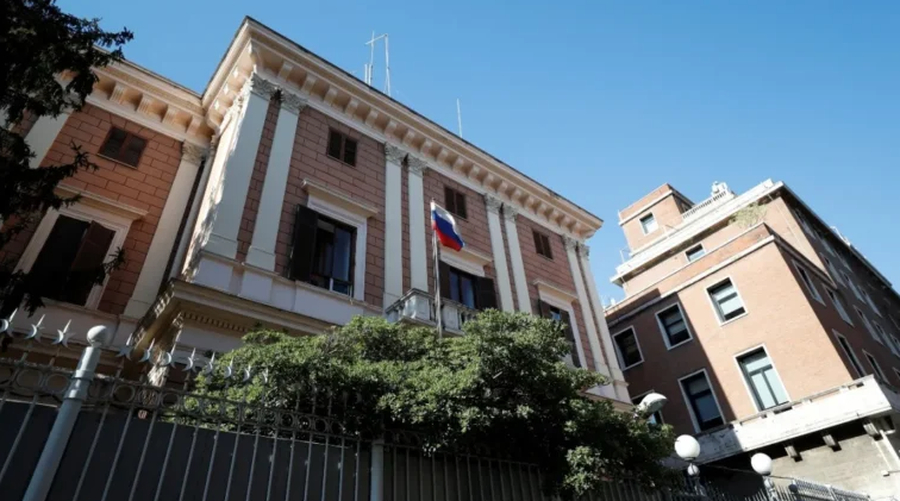
The neighboring country has become a strategic entry point for Kremlin interests through soft visa policies and gray capital. The hybrid intervention aims to fragment European political cohesion by fueling separatist sentiments and collaborating with local organized crime networks...
Italy is functioning as a soft entry corridor for Russian networks into the European Union, where visa policies, capital, and networks of influence are creating an exploitable environment that increases risks to European security and cohesion through hybrid methods.
Italy has become the most important access point for Russians to the Schengen area, holding first place in the EU in the number of visas issued. In 2023 alone, Italian consulates issued around 143,000 visas to Russian citizens.
With a rejection rate of only 10-12 percent, this system facilitates the introduction of operatives under civilian cover, while before the mass expulsions of 2022, the country housed over 80 Russian diplomats suspected of coordinating informal cells for influence operations.
Russian doctrine in Italy does not aim for conquest, but internal fragmentation by fomenting regional and separatist sentiments, especially in the wealthy north such as Lombardy and Veneto, investing in self-determination initiatives to weaken Rome's authority and paralyze pro-EU decision-making.
This digital propaganda is supported by the facts that around 10-15 percent of accounts that reinforce anti-NATO narratives and promote distrust of institutions have technical ties to disinformation laboratories in Russia, exploiting economic discontent for geopolitical causes.
In parallel, the presence of Russian elites in areas such as Lake Como, Tuscany and Sardinia serves as a large-scale money laundering mechanism, where on the Costa Smeralda around 20-25 percent of luxury properties are controlled by Russians through offshore structures.
The flow of gray capital is estimated at hundreds of millions of euros per year, and although Italy has frozen over 2.5 billion euros of assets, this remains only the "tip of the iceberg" of an ecosystem that feeds hybrid networks.
Unlike traditional mafias, Russian crime operates with low visibility and high value, cooperating with local groups for logistics and sanctions evasion, making it almost impossible for security services to distinguish the line between ordinary crime and state-sponsored destabilization operations in the heart of Europe.
This architecture of influence is not a random phenomenon, but a genuine strategy of “institutional erosion” that exploits the historical and economic ties between Rome and Moscow to open cracks in Euro-Atlantic unity.
Procesi i lëshimit të vizave, shërben si një sitë ku elementët e shërbimit sekret rus kalojnë me lehtësi, duke përdorur mbulimin e aktiviteteve kulturore apo tregtare për të ndërtuar qendra logjistike që qëndrojnë aktive për vite me radhë pa u zbuluar.
Në nivelin administrativ, kapacitetet e reduktuara të verifikimit dhe dëshira për të mos dëmtuar sektorin e turizmit, i cili ndikon ndjeshëm në PBB-në italiane, kanë krijuar një zonë të verbër ku elementët armiqësorë mund të operojnë me një liri të jashtëzakonshme.
Në këtë kontekst, Lufta hibride merr trajta akoma më të rrezikshme, kur ndërthuret me dobësitë strukturore të shtetit italian, veçanërisht në zonat ku ndjenja e përkatësisë rajonale është më e fortë se ajo kombëtare.
Rusia i ka identifikuar këto vatra pakënaqësie dhe ka financuar në mënyrë të tërthortë rrjete që promovojnë autonominë, jo me synimin për të krijuar shtete të reja, por për të nxitur një kaos administrativ që e bën Italinë një partnere të paqëndrueshme brenda BE-së.
Dezinformimi nuk është thjesht çështje e lajmeve të rreme, por një ndërhyrje kirurgjikale në opinionin publik përmes llogarive të sofistikuara që operojnë në gjuhën italiane, duke përkthyer dhe përshtatur ideologjinë e Kremlinit në terma të pranueshëm për publikun lokal, siç është sovranizmi ekonomik apo kundërshtimi i sanksioneve që dëmtojnë bizneset e vogla në veriun e vendit.
Mekanizmi i pastrimit të parave është po aq kompleks, duke përdorur një rrjet të dendur ndërmjetësish, noterësh dhe avokatësh që me dashje ose pa dashje, bëhen pjesë e makinerisë ruse të riciklimit të fondeve.
Pronat luksoze në Sardenjë apo Toscana nuk janë thjesht objekte luksit, por asete funksionale ku mbahen takime të fshehta dhe ku krijohen lidhje me politikanë lokalë dhe figura të rëndësishme të biznesit.
Ky rrjetëzim krijon një mburojë mbrojtëse për interesat ruse, pasi sulmi ndaj këtyre interesave fillon të perceptohet si sulm ndaj ekonomisë lokale italiane, duke krijuar një presion të brendshëm mbi qeverinë për të zbutur qëndrimet ndaj Moskës.
Në fushën e krimit të organizuar, integrimi i grupeve ruse me mafiet tradicionale si 'Ndrangheta ka krijuar një simbiozë të re kriminale, ku metodat e brutale të së shkuarës janë zëvendësuar me operacione financiare të teknologjisë së lartë dhe lëvizje të kapitaleve përmes kriptomonedhave për të anashkaluar mbikëqyrjen ndërkombëtare.
Kjo bashkëjetesë e qetë midis krimit rus dhe atij italian, bazohet në ndarjen e fitimeve dhe në ofrimin e infrastrukturës logjistike për lëvizjen e mallrave të sanksionuara, duke e kthyer Italinë në një stacion tranzit për teknologjitë e ndaluara që udhëtojnë drejt Rusisë përmes vendeve të treta.
Shifrat prej 2.5 miliardë euro asete të ngrira, dëshmojnë vetëm për asetet që ishin lehtësisht të gjurmueshme. Por pjesa më e madhe e pasurisë mbetet e fshehur nën emra të rremë dhe struktura juridike në shtete që nuk bashkëpunojnë me autoritetet evropiane.
The risk is that this dense and layered presence of Russian influence will become a permanent and unchanging factor of Italian reality, making Italy a "Trojan Horse" within the decision-making processes of the European Union and NATO, where sensitive information could leak and where collective unity could be undermined in any future geopolitical crisis.
This situation requires a radical review of intelligence cooperation at the European level, as the success of Russian operations in Italy depends not only on their capability, but on the lack of a unified response and on the existence of these legal and administrative "black holes" that allow the continued penetration of malicious influence into the heart of Western democracy. / Pamphlet from the "Lansing Institute"




Lini një Përgjigje