


 Shkruar nga Francesco Bortoletto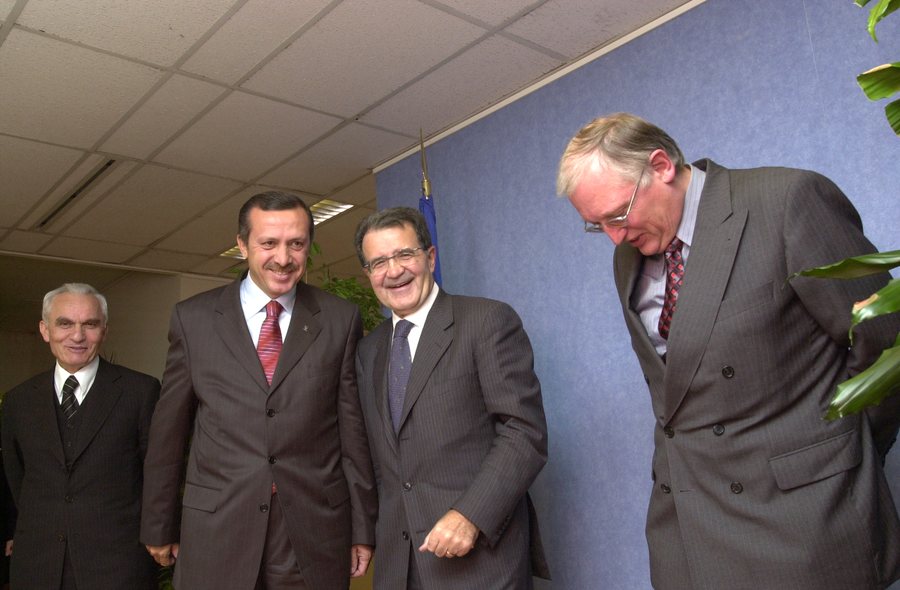
The entry of new members into the European orbit is clearly seen as a geopolitical tool to stabilize the continent, and to curb Vladimir Putin's imperialist ambitions as well as against Beijing's economic influence.
On May 1, the European Union celebrates the largest enlargement in its history: its fifth enlargement to the east in 2004, also called the "Big Bang" because of its size. 75 million new citizens and 10 countries joined the EU, bringing the latter from 15 to 25 members.
Then the union expanded to 27 members 3 years later, when Bulgaria and Romania also joined. Estonia, Latvia and Lithuania were former Soviet republics. The Czech Republic, Poland, Slovakia and Hungary had once been part of the Warsaw Pact. Slovenia was emerging from the catastrophe of the breakup of Yugoslavia.
Cyprus and Malta, meanwhile, had been British colonies (the former is still disputed between the Greeks and the Turks, a unique case in the EU). A few months ago, there had been a parallel expansion into the Old Continent. NATO had welcomed Bulgaria, Estonia, Latvia, Lithuania, Romania, Slovakia and Slovenia, while the Czech Republic, Poland and Hungary had joined since March 1999.
The enlargements of NATO and the EU gave concrete content to the dream of the unforgettable two-year period 1989-1991, which changed the face of Europe: the fall of the Iron Curtain and the opening of the borders between the central and eastern states of the continent, the fall of the Berlin Wall, the reunification of Germany and the Christmas Eve collapse of the Soviet Union after the failed coup of August 1991.
In this context, last week a solemn ceremony was organized during the last plenary session of the European Parliament in Strasbourg. In addition to the MEPs, the outgoing president of the Commission, Ursula von der Leyen, and many of the protagonists of those days were also present: prime ministers, foreign ministers and presidents of the ten countries in office 20 years ago, plus the then president of the EC, Romano Prodi, as well as the then Commissioner for Enlargement, Günter Verheugen.
"It was a kind of miracle, which today would not be possible to repeat" - says former commissioner Verheugen for Linkiesta. Why? "Because at that time, there was a very strong commitment from both the EU states and the candidate countries," he explains.
Something that is not seen today. Two decades ago, there was real enthusiasm for expansion. The idea of a united Europe was being realized after centuries of internal conflicts, two world wars and the Cold War. The enlargement of the EU meant projecting (at least theoretically) missions of peace and stability, democracy and economic prosperity also in the former Eastern Bloc.
Above all, it was one of the dimensions that guided that process: the need to stabilize that part of the continent after the fall of the Soviet Union, to reorganize and structure it by integrating it into the European family.
The then president of Estonia (the first woman to hold this position), Vaira Vīke-Freiberga, recalls: "For us Baltics, joining the EU meant getting away from Moscow as much as possible. Since we could not move our country on the map, we had to do it politically. And the Kremlin tried to hinder and slow down our integration in Europe".
These memories brought the enlargement debate to the fore again. At the moment, at the doors of the European Union are Ukraine, Georgia, Moldova and a good part of the Western Balkans: Albania, Bosnia Herzegovina, Montenegro, North Macedonia and Serbia.
As in 2004, if not more so, today the expansion of the club is unanimously considered a strategic mission: the entry of new members into the European orbit is openly regarded as a geopolitical tool to stabilize the continent, and to curb the imperialist aims of Vladimir Putin as well as against Beijing's economic influence.
The former Foreign Minister of Lithuania, Antanas Valionis, clearly confirmed this for Linkiesta: "It is difficult to say where my country would be now, if it had not joined Europe and NATO. Because we are seeing what happened to our old friends in Moldova, Georgia and Ukraine. All the countries that have not yet joined the European or Euro-Atlantic alliances are in big trouble today."
The war in Ukraine changed everything. But when discussing a new expansion of the European family, Ukraine is a rather delicate chapter. And this for various reasons, not only of a military nature. Verheugen says that "the EU was too slow to offer a concrete perspective for membership to Ukraine, and did not seriously encourage Kiev to take decisively on the path of reforms necessary to enter the Union".
"Obviously, it is a country that has serious structural problems such as massive corruption, excessive influence of oligarchs, a relatively weak economic base. But these are not reasons for refusing membership. We should have offered Ukrainians a clear and credible perspective long ago. Now we have, but it is clear that it is an essentially symbolic move. As long as there is war there, there can be no real progress" - reasons the former commissioner.
Pro problemet nuk janë vetëm tek Ukraina. Situata jashtë kufijve të BE është në përgjithësi shumë më e vështirë sot se sa 20 vjet më parë. Nga njëra anë, është problemi i ndërhyrjes ruse në të ashtuquajturën hapësirë post-sovjetike. Depërtimi i Kremlinit në Gjeorgji është një nga shembujt më domethënës.
“Popullsia atje gjithmonë ka shfaqur një dëshirë të zjarrtë për të hyrë në Evropë. Ajo është ndjerë gjithmonë evropiane. Por përpjekjet ruse për të ndikuar politikisht në vend kanë qenë të suksesshme”-thotë Vīke-Freiberga. Në Moldavi, problemet janë mbi të gjitha ekonomike. Kishinau ka lidhje shumë të forta ekonomike me Rusinë dhe mbetet i ndërvarur prej Moskës.
Nga ana tjetër, është çështja e Ballkanit Perëndimor. Vendet kandidate në këtë rajon, e morën këtë status disa vite përpara Ukrainës, Gjeorgjisë dhe Moldavisë, por procesi i anëtarësimit të tyre ka ngecur.
Dhe përgjegjësitë për këtë janë të përbashkëta. Është e vërtetë që këto vende nuk kanë bërë përparim të mjaftueshëm, duke vonuar reformat e rëndësishme. Por është gjithashtu e vërtetë, thekson Verheugen, se as Brukseli nuk ka qenë në gjendje të menaxhojë procesin: ”Ballkani mori një premtim që në vitin 1999. Por unë nuk kam parë ndonjë strategji apo ambicie të madhe nga ana e BE-së për ta mbajtur këtë premtim. Pritshmëritë nuk u realizuan, dhe nuk është e vërtetë se Ballkani po i afrohet tani Evropës. Këto vende janë ende shumë larg, nuk kanë bërë shumë progres, por as ne kemi bërë ndonjë gjë për ta afruar anëtarësimin e tyre”.
Me pak fjalë, ajo që i ka munguar Evropës vitet e fundit, është një projekt afatgjatë se si të (ri)organizohet një kontinent që po tronditet shumë fort. Ish-komisioneri i zgjerimit është i bindur për këtë: “Ajo që na duhet sot është një strategji reale, një vizion politik. Çfarë duam të arrijmë? Kur duam ta arrijmë? Ne kemi nevojë për objektiva të qarta dhe një udhërrëfyes të qartë. Na duhen përpjekje të koordinuara nga të gjithë aktorët e përfshirë”.
Për zgjerimin e mëtejshëm të BE-së, do të jetë e nevojshme të kryhen analiza të qëndrueshme mbi konvergjencën midis anëtarëve të rinj potencialë dhe BE-së me 28 anëtarët aktualë, të cilat duhet të shoqërohen me një planifikim të kujdesshëm për të shmangur hapat e gabuar (si përpara ashtu edhe pas anëtarësimit), dhe me një parashikim sa më të përshtatshëm të ndikimeve ekonomike të procesit .
Çështja thelbësore që duhet të trajtojnë diskutimet për një zgjerim të ri, i çfarëdolloj përmase qoftë, është ajo e reformave. Ne duhet të ri-mendojmë funksionimin e një BE-je që ka lindur me struktura të ankoruara, në një botë që sot nuk ekziston më.
Që të vazhdojë të jetë efektiv me 30 ose më shumë anëtarë, klubi evropian nuk mund të mbajë të njëjtat rregulla që ndiqte kur kishte 10 anëtarë. Duhet një përditësim i politikë-bërjes, por edhe një riformulim i strukturës institucionale të BE-së. Në këtë kuadër, kemi dilemën e vjetër midis zgjerimit dhe thellimit të integrimit evropian.
"We have to decide how to answer that question before we go any further, and I don't see a clear appetite for either option. It is essential to have a serious debate at the level of European public opinion on this point.
Above all, I believe that we must be honest with ourselves and understand the reality: if we want to live in peace on our continent, if we want to play a role on the international stage and have an impact on the future of the planet, then we have no alternative but to build a Europe as united as possible"./ Pamphlet adapted from "Linkiesta"


Lini një Përgjigje