


 Shkruar nga Pamfleti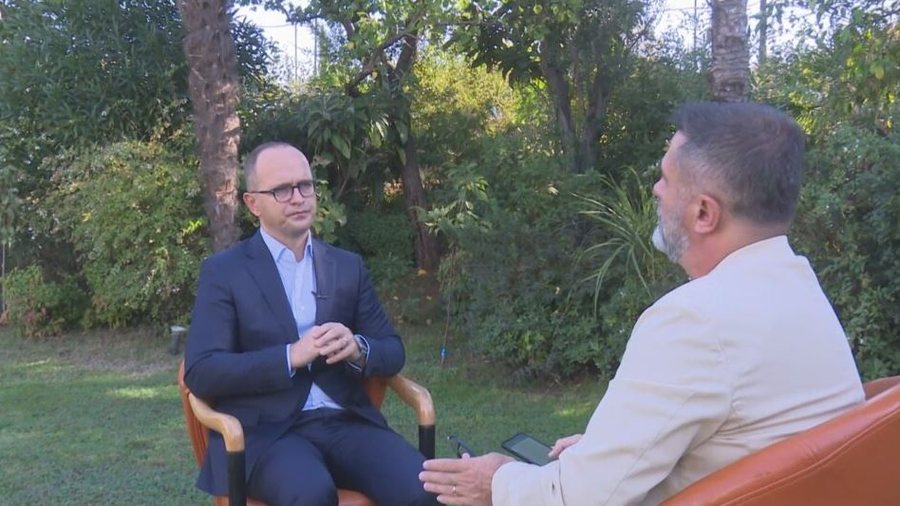
In Albania, the high-level meeting of the Berlin Process is expected to be held tomorrow, where the leaders of the Western Balkan countries, German Chancellor Olaf Scholz and high representatives of the European Union will participate. French President Emmanuel Macron has postponed his arrival in Albania by a few hours due to an extremist attack where a teacher was killed and the situation in the Middle East. He will not be able to participate in the meeting but will continue with the plan for an official visit to Albania.
Former Albanian Foreign Minister Ditmir Bushati says that after the Russian aggression in Ukraine, the expansion of the EU with the countries of the region has been added to the priorities of Brussels' agenda, and "the Balkan countries will not have to waste this golden opportunity". In a conversation with the Voice of America, Mr. Bushati analyzes the progress of the Berlin Process and the expectations from this process and that of European integration.
Voice of America: Mr. Bushati, the Berlin Process was born in 2014, as an initiative of German Chancellor Angela Merkel. Later, other countries joined this process. However, he has had his ups and downs. How would you rate his progress so far?
Ditmir Bushati: First, the Berlin Process was initiated by Germany and Chancellor Merkel, in the conditions when the Enlargement process had lost its transformative and democratizing magnet for the countries of the region, and in the conditions when the President of the European Commission, Jean-Claude Juncker himself, stated that there would be no Expansion for the next 5 years. So in a way it was like an anti-depressant drug for all the countries in the region. But from the start it was never considered as a substitute or an alternative to the EU membership process.
I think there are three main aspects. First, on the political level, it created an equality in rights and obligations between all participating parties. So even Kosovo and Serbia sat down with their respective flags, so respecting, let's say, the realities in the region, creating a wider platform of communication and interaction, in the conditions when the agreement was reached in Brussels in 2003.
Secondly, in the economic plan, through the Berlin Process we have some positive developments, either with the common economic area, or with the common regional market, and with some very positive efforts that were made by all countries, for the creation of this type of market in the region, as a precursor to membership in the EU Common Market.
Thirdly, in the social plan, we have two very important initiatives, which aim to bring the citizens of the countries of the region closer to each other and mitigate all prejudices.
Of course, when we look at it 9 years later, the expectations have not been fully met, because there are many issues and challenges that will have to be addressed starting from the need for a better connection of this Process with the EU membership agenda, the strengthening of democracy and a mitigation of the development gap, between our countries and the poorest countries of the European Union.
VOA: Picking up on what you just said. Even in your analysis of this process and the challenges of EU integration in the region, you pointed out the fact that the economic development between the countries of the EU and those of the Western Balkans has deep differences, that the gap between them has become bigger. However, 2 years ago, if I'm not mistaken, the European Commission presented the Regional Investment Plan, a multi-billion euro plan for the Balkans. Meanwhile, tomorrow it has been announced that Mrs. Von der Lyene will present what is called the Growth Plan. What should we really expect?
Ditmir Bushati: First, there must be a connection between the component that deals with democracy and the rule of law, and economic development. There cannot be democracy without economic development and there cannot be sustainable economic development without a strengthening of democracy. In this view, the inclusion of the countries of the region in the annual monitoring that the EU does for itself, regarding the rule of law, is an encouraging step.
As a better combination between the objectives of the EU regarding the transition to the green economy and the circular economy, with the objectives that the countries of the region have, for which they have made commitments since the Sofia summit in 2020, I think it will was also quite positive news. Why do I say a better connection? Because in the case that in the European sense, the main challenge is the transition, that is, from large industries, challenges for reducing carbon dioxide burning and so on, in our countries we have challenges related to waste management, drinking water , challenges related to the protection of rivers and natural assets. It seems as if we are talking about two different planets and not the same planet.
So, the whole challenge of the green transition, in the case of the countries of the region, should be motivated by the concept of sustainable economic development that has the rule of law as a reference.
Në këtë kontekst, procesi i integrimit europian, duhet t’i ofrojë mundësi vendeve tona për të zbutur hendekun zhvillimor, që do të thotë, akses te fondet e para-aderimit, në një kohë më të hershme se sa procesi i anëtarësimit, që do të thotë një integrim gradual në tregun e brendshëm, një aderim në rregullat e lojës të BE-së edhe përpara procesit të anëtarësimit, por me kushtin që ne do të duhet t’i kryejmë reformat me përpikmëri, sepse është kollaj të kërkosh paratë e taksapaguesve europianë, por duhet të dëshmosh dhe saktësi e ndershmëri në mënyrën se si i thith dhe i shfrytëzon këto para.
Zëri i Amerikës: Zoti Bushati, 20 vjet nga Samiti i Selanikut dhe gati 10 vjet nga Procesi i Berlinit, vendet e rajonit kanë bërë hapa përpara me reformat. Por, siç vini në dukje në analizën tuaj, të cilës ju referova dhe pak me parë, duke cituar organizmat ndërkombëtarë dhe vlerësimeve të tyre, demokracia në rajon ka ardhur duke u bjerrur. Përse ndodh kështu? Procesi i integrimit nuk po arrin dot të jap rezultate konkrete, të pritshme?
Ditmir Bushati: Për fat të keq demokracia është në bjerrje kudo në Europë, dhe përgjithësisht kudo në botë. Kjo projektohet shumë dhe në Europën Juglindore në kushtet kur ne nuk kemi një traditë të konsoliiduar të shtetndërtimit demokratik. Me përjashtime të vogla, gjatë viteve të fundit, Ballkani perëndimor, është pjesë e këtij fenomeni. Do të shtoja gjithashtu dhe gjakderdhjen njerëzore, siç e quaj, në një kuptim deri diku dramatik, valën e ikjeve të njerëzve nga rajoni i Ballkanit Perëndimor, drejt vendeve të Europës Veriore, të dy këto elementë, dëshmojnë se nuk kemi një raport të drejt mes procesit të integrimit europian dhe reformave. Sepse procesi i integrimit europian ka si pikësynim, ndërtimin e Europës, pikërisht këtu, në shtëpi, pra në të gjithë rajonin. Dhe së dyti në procesin e integrimit europian, ka më shumë rëndësi procesi se sa thjesht anëtarësimi, pra transformimi i shoqërive, institucioneve, mënyrës së jetesës, dhe duket se në këtë pikë, nuk është gjetur ende ilaçi i duhur. Le të mos harrojmë se vendi i fundit që ka mbyllur një kapitull negocimi me BE-në, është Mali i Zi, në 2017. Nga 2017 në 2033, ka 6 vite që praktikisht nuk ndodh asgjë, në raportet e rajonit me vendet e BE-së. Ndërkohë që, procesi I negocimit, i vendeve që sot janë në BE, e gjithë paketa e negocimit, nuk ka zgjatur më shumë se 6 vjet. Pra diferencat janë krejt të qarta
Zëri i Amerikës: Zoti Bushati, lufta në Ukrainë, nga njëra anë ka sjellë një vëmendje të shtuar të BE-së ndaj Ballkanit. Megjithatë duket se nuk ka një perspektivë të qartë. Pak vite më parë Franca propozoi një metodologji të re për fazën e bisedimeve, tani po flitet për një ndryshim në strukturën e vetë BE-së, një Europë me disa rrathë. Presidenti i Këshillit europian Charles Michel, ofroi vitin 2030 si një datë të mundshme anëtarësimi për vendet e rajonit…
Ditmir Bushati: Eshtë e vërtetë se para disa vitesh, Franca dhe Presidenti Macron ishin skeptikë ndaj idesë së zgjerimit të BE-së me vendet e Ballkanit Perëndimor. Eshtë po aq e vërtetë se presidenti francez e konsideronte Nato-n, si një organizëm të vdekur, me tru të vdekur. Por Vladimir Putini, duket se e zgjoi Europën nga gjumi, apo nga zona e rehatisë dhe tanimë zgjerimi i BE-së është ngjitur me përparësi në agjendën e vetë BE-së.
Dhe këtu ka dy komponentë për ta bërë këtë proces realitet. Së pari janë përpjekjet që duhet të bëjë vetë BE-ja, me atë që ju referuat, me rrathët koncentik, sepse një BE me 36 shtete anëtare është më e vështirë për t’u menaxhuar se sa me 27 vende anëtare. Pra nevoja për reforma, në një mënyrë apo një tjetër, është e pashmangshme dhe vetë BE-ja, sidomos dyshja franko-gjermane ka marrë masa në këtë drejtim, me disa propozime konkrete. Nga ana tjetër janë vendet e rajonit. Me të vërtetë gjeopolitika, duket sikur e mbështet tanimë zgjerimin dhe konsolidimin e projektit europian, por nuk duhet të harrojmë detyrat e shtëpisë, nuk duhet të harrojmë që në finale do të kemi një kombinim mes komponentit gjeopolitik dhe stadit të reformave. Nëse do ta krahasojmë situatën sot me atë të para një viti, dy apo katër, mendoj se vendet e rajonit kanë një mundësi të artë që nuk duhet ta shpërdorojnë, qoftë përsa i përket instrumenteve që po ofron BE, ju përmendet Planin e rritjes, tranzicionin ekologjik, tranzicionin drejt një ekonomie më digjitale, hapjen e Kolegjit të Europës në Shqipëri, pra kampusi I tretë në europë, mendoj se janë të gjitha mesazhet se vendet e Ballkanit perëndimor do të duhet të integrohen gradualisht, në mënyrë që t’i paraprijnë datës së anëtarësimit. Data është shumë e rëndësishme se është motivuese dhe është e rëndësishme që të mbahet, në mënyrë që të mos shkaktojë cinizëm dhe pakënaqësi.
Zëri i Amerikës: Nën dritën e gjithë këtyre zhvillimeve, sa janë shanset sipas jush që Shqipëria të marrë një vendim pozitiv nga BE-ja në fund të këtij viti, për nisjen konkete të bisedimeve. Pra që ajo të ulët konkretisht në tryezën e bisedimeve, në hapjen dhe diskutimin e kapitujve të parë?
Ditmir Bushati: Mendoj se Shqipëria është e gatshme për të nisur diskutimet e grup-kapitujve, sepse ne kemi që nga viti 2019, ose fundin e 2018 që ne merremi me procesin e “screening”, pra me shqyrtimin analitik të legjislacionit dhe standarteve të BE-së, me pasqyrën apo skanerin se ku jemi ne në raport me këto angazhime. Shpresoj shumë të ketë një vendimmarrje nga ana e BE-së në mënyrë që ky proces, të ecë në rrjedhën e tij e ne më pas të kemi mundësinë për të parë se ku jemi e të mobilizojmë sa më shumë forca që të ecim përpara.
VOA: And one last question. Both the European integration process and the Berlin Process itself, one of the main pillars, have cooperation between the countries of the region, reconciliation between them. However, just a few weeks ago we saw how a candidate country for membership attacks its neighbor, and I refer to the armed attack in the North of Kosovo, by Serbian units. In this context, how much will this situation affect the progress of the Berlin Process, or tomorrow's meeting, because I remember, a few days ago, at the meeting of the Foreign Ministers of the countries involved in the Berlin Process, this situation the tension there was in focus and somewhat overshadowed other topics of discussion…
Ditmir Bushati: It is very important that the EU has a unique approach regarding the end of this conflict that you just mentioned. And here I want to recall the approach that the EU adopted in the case of Montenegro. It was a unique approach where Montenegro set certain criteria for the referendum and the recognition of independence from the federation.
In the case of Kosovo, due to the 5 countries that still do not recognize Kosovo as a state, the EU is in a kind of deadlock situation and is always responding to crises rather than preceding decisive developments for the closure of this conflict. But I think it is the coveted test in terms of the positioning of the EU as a geopolitical actor in the international arena. Why I say this, because if the EU is not able to close the conflicts inherited from the disintegration of the former Yugoslavia, to conclude all citizenship projects, to make countries like Serbia normal, democratic and European, to recognize the consequences and realities of the post-war in the former Yugoslavia, it will be impossible to cope with the Russian aggression in the east of the continent.
I very much wish that the approach, let's do business first, or connect through economic threads, as has been adopted for decades with Vladimir Putin's Russia, and then the economy leads us to political solutions, now, returns to the policy that is considered most effective , so let's solve the political issues once and for all and then continue the path towards EU membership./VOA


Lini një Përgjigje