


 Shkruar nga Pamfleti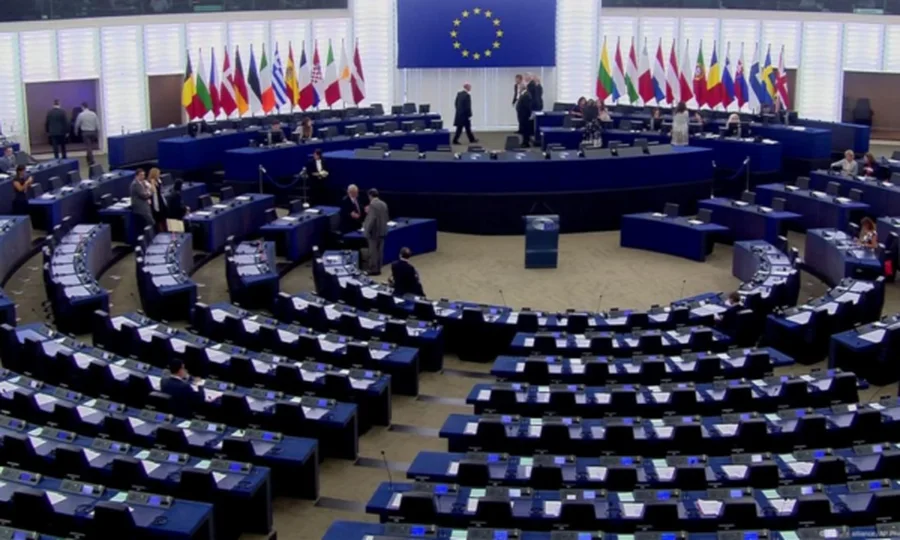
Deep and sustainable reforms. This is the message that the European Parliament has conveyed to Albania, while the report presented by rapporteur Andreas Schieder was approved with 58 votes in favor, 7 against and the same number of abstentions.
The report assesses the country's progress on the path towards the European Union, while emphasizing the fight against corruption. According to the report, Albania is urged to overcome political polarization, improve political culture, and draws attention to electoral reform, which should respond to all OSCE/ODIHR recommendations after the elections of May 11, 2025.
In this context, the European Parliament report highlights that pressure on voters, vote buying, abuse of administration must end, and parties involved in an electoral process must compete on equal terms.
" The political climate is not the best possible. There are concerns about the elections, about suspicions of vote buying, but there are also concerns about the undermining of political cooperation, the radicalization of politics. Especially in recent weeks there has been a strong radicalization to do politics on the streets and not in the Parliament hall. Corruption remains a major concern that needs to be addressed. The priority now should be to close the negotiation chapters with concrete changes. The objective for 2027 is much more achievable.
Albania is considered one of the two leading countries in the enlargement process. We have tried to reflect this in this report, but beyond the issues addressed in the Commission's report, we wanted to emphasize some other elements, namely that reforms should also be reflected in the daily lives of citizens. And in particular, we have tried to focus on the social situation in Albania ," said Schieder.
Regarding justice reform, the report highlights the vetting process as a success, but calls for Albania to consolidate processes related to investigations and prosecution, especially of high-level corruption.
According to the report, it is also evident that Albania has structural weaknesses, including informality, limited productivity growth, and a challenging business environment.
It assesses progress in public administration reform, but emphasizes that “further efforts are needed to guarantee merit-based recruitment and the depoliticization of the civil service.”



Lini një Përgjigje