


 Shkruar nga Pamfleti
A total of 140 members of parliament will be elected in 12 multi-member constituencies, using an open-list proportional representation system. The national electoral threshold is set at 1% and seats will be allocated according to the D'Hondt method. For the first time, significant participation from the diaspora is expected.
The International Institute for Middle East and Balkan Studies (IFIMES), headquartered in Ljubljana, Slovenia, regularly conducts analysis of events involving the Middle East, the Balkans, and global affairs.
Ahead of the parliamentary elections scheduled for May 11, 2025, IFIMES has prepared an analysis of the current political landscape in the Republic of Albania.
From the in-depth analysis titled "Parliamentary Elections in Albania 2025: The Last Chance for Albania to Become a 'Normal State'", we present the most important and convincing excerpts.
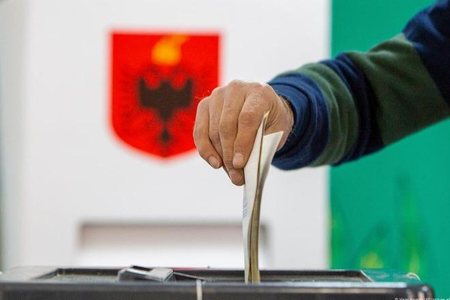
On May 11, 2025, Albania will hold its 11th parliamentary elections since the fall of Enver Hoxha's communist regime in 1991.
A total of 140 members of parliament will be elected in 12 multi-member constituencies, using an open-list proportional representation system. The national electoral threshold is set at 1% and seats will be allocated according to the D'Hondt method. For the first time, significant participation from the diaspora is expected.
Demographic changes have led to changes in the distribution of parliamentary mandates between electoral zones. In the Tirana electoral zone, for example, 37 deputies will be elected; in Fier, 16; Durrës and Elbasan, 14 each; Vlorë, 12; Shkodër, 11; Korçë, 10; Lezhë and Berat, 7 each; Dibër, 5; Gjirokastër, 4; and in Kukës, only three representatives will be elected.
The Central Election Commission (CEC) has registered 53 political parties and 3 coalitions. To qualify for the vote, parties must either be represented in the current parliament or submit 5,000 supporting signatures, while coalitions must either have seats in parliament or submit 7,000 signatures.
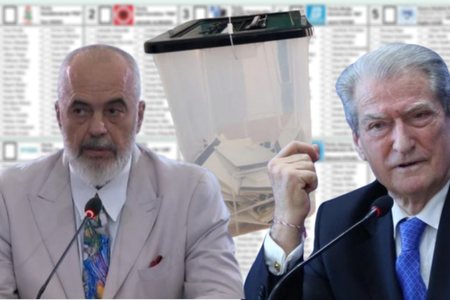
In the parliamentary elections, two major political blocs will face off again: the Democratic Party - Alliance for a Greater Albania (ASHM), led by Sali Berisha (PD), and the bloc of incumbent Prime Minister Edi Rama (PS), formed around the Socialist Party.
Several smaller political parties will also run in the elections, including the Euro-Atlantic Coalition, the Joint Movement, the Opportunity Party, and the Albania Becomes Initiative. Some of these parties are considered by the opposition led by Sali Berisha as satellite parties of Edi Rama.
Pavarësisht retorikës vetëpërgëzuese të Kryeministrit Edi Rama (PS) në lidhje me arritjet e supozuara të administratës së tij, Shqipëria mbetet një nga vendet më pak të zhvilluara në Evropë. Pas rënies së regjimit komunist të Enver Hoxhës në vitin 1991, pritej gjerësisht që forcat retrograde të vendit do të liheshin përgjithmonë në histori. Megjithatë, që kur erdhi në pushtet në vitin 2013, Partia Socialiste (PS) e Edi Ramës - pasardhësja e ish-Partisë së Punës të Shqipërisë - ka arritur të krijojë një regjim hibrid që kombinon elementë të ndryshme të sundimit.
Edhe pse Shqipërisë iu dha statusi i vendit kandidat për në BE në shtator 2014, negociatat e pranimit filluan vetëm në fund të vitit 2022. Detyrat kryesore që vendi pritet të adresojë përfshijnë reformën gjyqësore, luftën ndaj krimit (veçanërisht trafikimin e drogës dhe qenieve njerëzore) dhe korrupsionin, sigurimin e pavarësisë së medias, depolitizimin e institucioneve, përmirësimin e efikasitetit dhe nxitjen e një dialogu më dinamik midis qeverisë dhe opozitës - të gjitha me qëllim që procesi i reformës të jetë më gjithëpërfshirës dhe më i shpejtë.
Presioni politik, frikësimi, korrupsioni i përhapur dhe burimet e kufizuara vazhdojnë të pengojnë gjyqësorin të funksionojë plotësisht, në mënyrë të pavarur dhe efektive. Korrupsioni përshkon të gjithë sektorët dhe nivelet e qeverisjes, duke përfshirë prokurimin publik dhe partneritetet publik-private.
Negociatat e pranimit në BE nuk janë aspak afër asaj që po përpiqen të paraqesin Edi Rama dhe disa zyrtarë të BE-së.
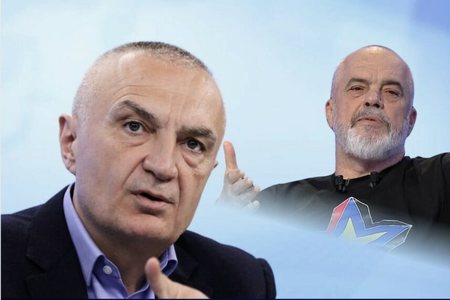
Vlerësimet sugjerojnë se të ardhurat nga tregtia e narkotikëve tejkalojnë madhësinë e buxhetit kombëtar të Shqipërisë - duke e bërë trafikimin e drogës sektorin e vetëm vërtet "në rrugën evropiane". Edi Rama po përpiqet të krijojë përshtypjen se të gjithë të tjerët në Shqipëri janë të inkriminuar dhe të korruptuar përveç tij, duke drejtuar gishtin nga rivalët e tij politikë, veçanërisht udhëheqësit e opozitës Sali Berisha (PD) dhe Ilir Meta (PL).
Partia Demokratike dhe Sali Berisha, në aleancë me partitë e tjera të opozitës janë shprehur të bindura për të rrëzuar së bashku atë që e konsiderojnë si regjimi i Edi Ramës në zgjedhjet parlamentare, duke supozuar se këto zgjedhje do të jenë të lira, të drejta dhe transparente. Si një veteran i politikës shqiptare, Sali Berisha (PD) është plotësisht i vetëdijshëm për peshën dhe përgjegjësinë historike që mbart.
Zgjedhjet e 11 majit konsiderohen gjerësisht si një "shans i fundit", duke shërbyer si një provë kritike për demokracinë dhe reformën institucionale. Procesi i integrimit të Shqipërisë në BE ka hyrë në një fazë delikate, me Brukselin zyrtar që tani pret rezultate të prekshme në vend të deklaratave. Qytetarët janë vërtet të shqetësuar se, pa reforma të thella, Shqipëria mund të mbetet një "shtet i kapur" pa perspektiva reale për të ardhmen.
The fight against corruption is no longer an impossible mission. Thanks to artificial intelligence (AI), it is now possible to analyze millions of documents, trace patterns, detect fake contracts and rigged tenders, uncover mafia connections and trace hidden money flows. AI does not forget, does not take bribes and does not lose track of those responsible for criminal and corrupt activities.
Public opinion polls in Albania do not always reflect the true state of the electorate before election day. Political parties often use poll data to shape their electoral strategies, conduct debates and analyses, and target their political opponents.
Ultimately, the future of Albania is in the hands of its voters. /Pamphlet adapted from Ifimes /




Lini një Përgjigje