


 Shkruar nga Pamfleti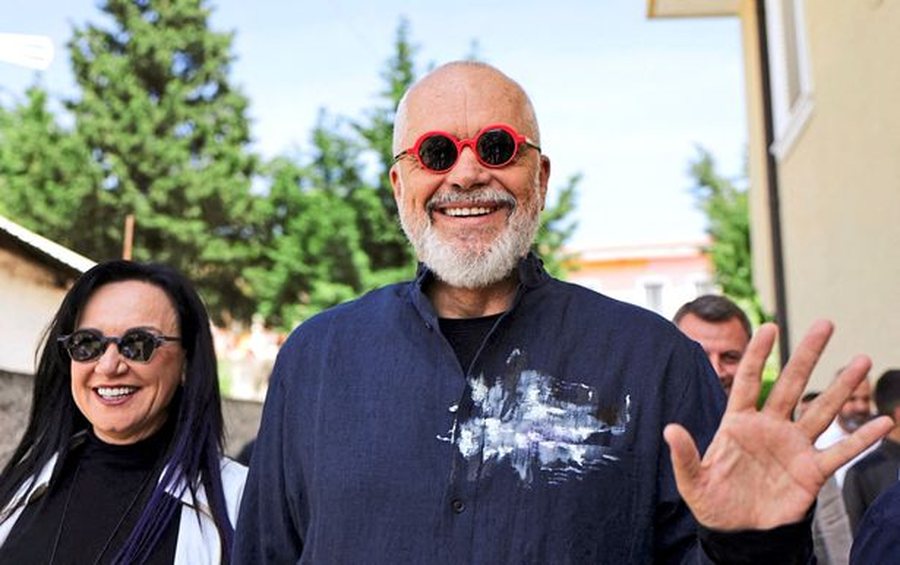
"Numerous reports of pressure on the administration and other voters, as well as cases of intimidation... have been received."
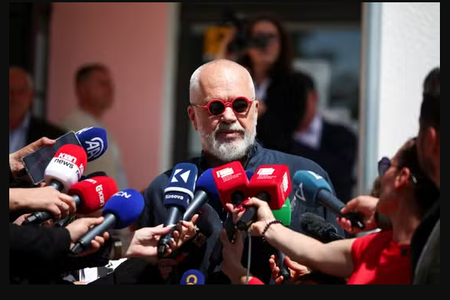
In Albania, Prime Minister Edi Rama has won parliamentary elections with a clear majority, securing a 4th term in office, which is unique in the Balkan country.
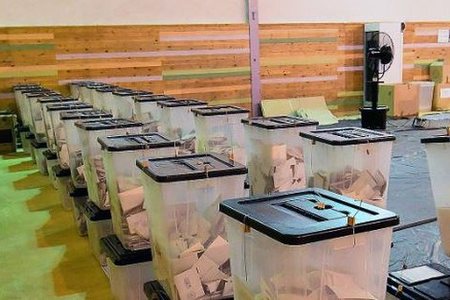
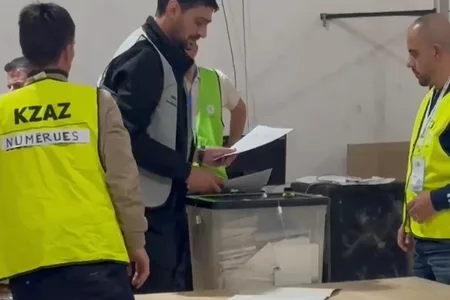
With over 94 percent of the votes counted, his Socialist Party (SP) took 52 percent, according to figures from the election commission. The Democratic Party (DP) of former Prime Minister Sali Berisha came in second place, with a wide margin of 34 percent of the vote.
Rama and his Socialists thus managed to extend their 49 percent result in the previous election and now have a comfortable governing majority. This should enable the 60-year-old to push forward his goal of joining the EU by 2030. However, many experts consider this timeframe overly optimistic.
OSCE expresses extreme doubts about free elections
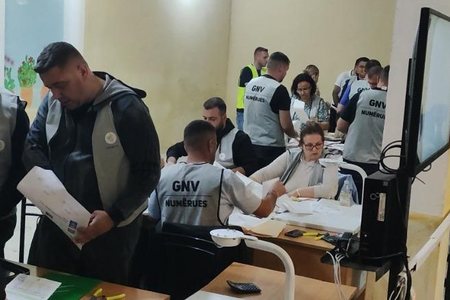
According to one television station, the SP is expected to win 82 of the 140 seats in parliament, while the DP has 50. However, international election observers led by the Organization for Security and Cooperation in Europe (OSCE) expressed doubts that the elections were free.
During the election campaign, there was an “abuse of public resources and institutional power by the ruling party.” In addition, “numerous reports of pressure on the administration and other voters, as well as cases of intimidation,” were received.
Tourism boom and corruption
Albania has been a member of NATO since 2009 and has been negotiating membership with the EU for about three years – the Balkan country has been an official candidate for membership since 2014. Rama has been in power since 2013 and was the favorite in the elections. His success is based in part on an influential network that he built during his 12 years in government. But he can also boast of some successes. Thanks to trade with the EU and a tourism boom, the economy is doing well and, according to the World Bank, has grown faster in recent years than in other Balkan countries.
However, he also benefited from the fact that the opposition was divided. Opponents accuse him of governing the country through a system of favoritism and of doing little to fight corruption and unemployment. Rama denies this. However, since he took office, hundreds of thousands of Albanians have emigrated in search of better prospects.
Harsh measures against the opposition
Young voters in particular reject Rama and his opponent Berisha, both of whom have shaped Albanian politics in different roles. In 1992, Berisha became Albania's first freely elected president and served as prime minister from 2005 to 2013.
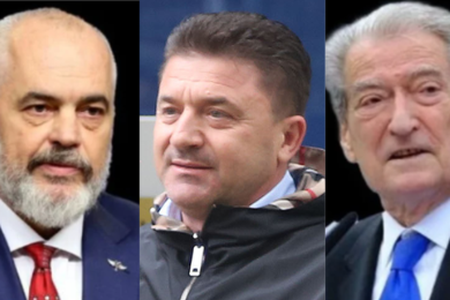
Rama is accused of taking harsh action against the opposition, including Berisha, now 80. Rama has also faced a series of scandals. This includes the arrest this year of his ally Erion Veliaj, the mayor of the capital Tirana, on charges of corruption and money laundering. Berisha has also been accused of corruption, which he, like Veliaj, denies.
Experts see widespread corruption as one of the country's biggest problems. It is fueled by criminal gangs that earn billions of euros from drug and arms trade abroad, which they then bring back to Albania for money laundering. / Pamphlet adapted from DerStandard /


Lini një Përgjigje