


 Shkruar nga Pamfleti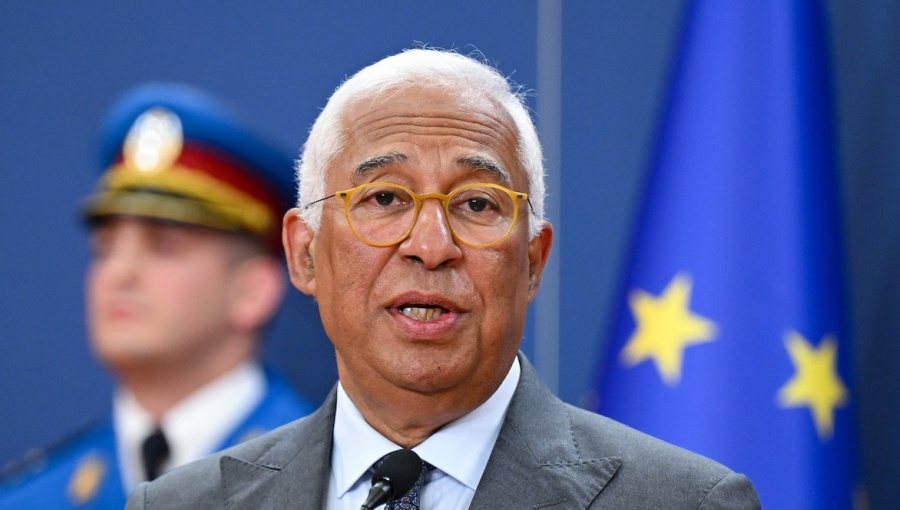
Despite past estimates targeting 2030 for new admissions, Costa refused to set a final date...
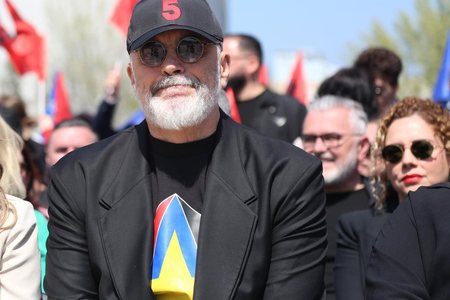
Edi Rama based his campaign in the May 11 elections on the promise to join the country in the European Union by 2030. This was the only point that Rama used from day one until the end, seeking the votes of Albanians, to have a majority in the Assembly that would demonstrate the European vocation.
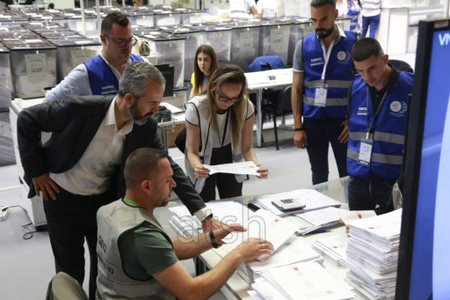
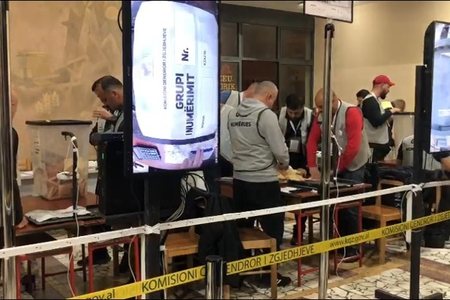
At the end of the elections, Rama managed to obtain 83 mandates, and with the majority he will have in the new Parliament, together with Tom Doshi's PSD deputies who can align themselves with him, he ensures a majority that can also approve special laws.
But will it be able to keep its promise to join Albania in the EU by 2030?
Antonio Costa, President of the European Council, in an interview with Euronews, says that Albania and Montenegro are the most likely future members of the EU.
Costa's comments come amid growing concerns in Brussels over geopolitical competition in the Western Balkans, particularly following Russia's invasion of Ukraine.
This conflict has accelerated accession talks with Ukraine and Moldova, raising fears that the Western Balkan states could be left out.
Costa kicked off a regional tour in Serbia and will also visit Bosnia and Herzegovina, Montenegro and Kosovo, followed by North Macedonia and will end in Albania, where he will attend the European Political Community (EPC) summit in Tirana.
“Russia’s invasion of Ukraine has accelerated the accession process for Ukraine and Moldova, so it is not right to leave the Western Balkan countries behind,” Costa told Euronews. “This will push them to move faster with reforms,” he said.
Serbia, a central player in the region, remains a particular concern. The presence of Serbian President Aleksandar Vučić at Russia's May 9 Victory Day commemorations in Moscow - along with Slovakia's Prime Minister Robert Fico - broke an EU-wide boycott and highlighted the country's ambiguous foreign policy.
Serbia has also refused to join EU sanctions against Russia, citing historical ties dating back to the Soviet liberation in 1945.
However, Costa downplayed the symbolism of Vučić's visit to Moscow.
"On May 9 in Moscow, we celebrated an event from the past. Serbia's future is in Europe," he said.
Despite past estimates targeting 2030 for new admissions, Costa refused to set a final date.
"I don't have a specific date. Why 2030? And why not earlier? Membership is a merit-based process," he said.
Corta further stated that if the countries carry out reforms, they could join even before 2030. "Albania and Montenegro are clearly more advanced than other countries."
Despite this, many citizens in the region, especially in Serbia, have become skeptical of the EU's goals, frustrated by years of stalled accession talks. Costa acknowledged this erosion of trust, but reiterated the Union's founding vision.
"The most important thing is to understand the meaning of the European Union," he said, adding, "what really built the EU was the will to overcome the wounds of history." /Pamphlet/


Lini një Përgjigje