


 Shkruar nga Pamfleti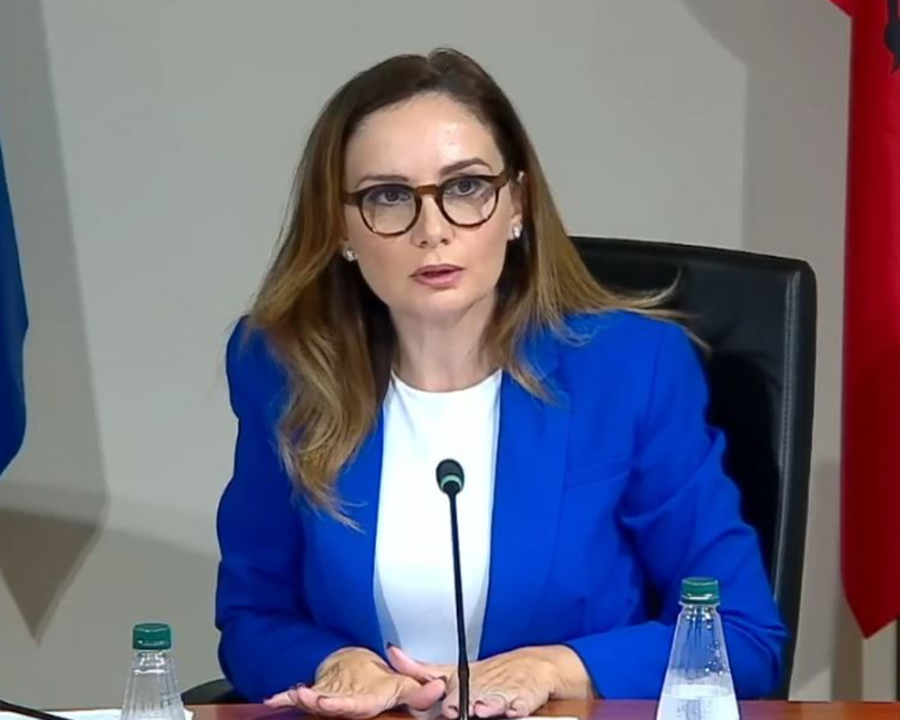
The depreciation of the euro in relation to the lek is considered by Democratic MP, Jorida Tabaku, as one of the most serious blows to the Albanian economy and the well-being of citizens.
In a video posted on social media, Tabaku points out that the euro has hit historic exchange rate lows, with its value falling by around 40% in recent years. According to her, although the exchange rate may seem like an abstract concept to many citizens, its effects are already tangible in everyday life.
"The devaluation of the euro is directly affecting prices, exports, employment and the survival of Albanian businesses. Any rhetoric from the government about encouraging exports is worthless as long as the economy is being hit by this phenomenon," Tabaku emphasizes.
According to the Democratic MP, the two main sectors that are suffering the most are garment manufacturing and agriculture, sectors that until yesterday relied on exports and are now losing international markets. She warns that the depreciation of the euro is making it impossible for Albanian products to compete abroad, reducing farmers' incomes and endangering jobs in the garment industry, which employs around 175,000 people.
Tabaku directly links this situation to the criminalization of the economy and the introduction of dirty money, which, according to her, is distorting the market and producing irreversible consequences for the real economy. "This impact is going directly into the pockets of citizens and is bringing catastrophic consequences. There is no mechanism to recover the damage that is being done to the economy today by money laundering," she emphasizes.
In conclusion, Tabaku underlines that the fall of the euro is not simply a financial indicator, but a real danger that is deepening the impoverishment of Albanians, destroying domestic production and undermining the country's economic future, in the absence of a serious response from the government.




Lini një Përgjigje