


 Shkruar nga Pamfleti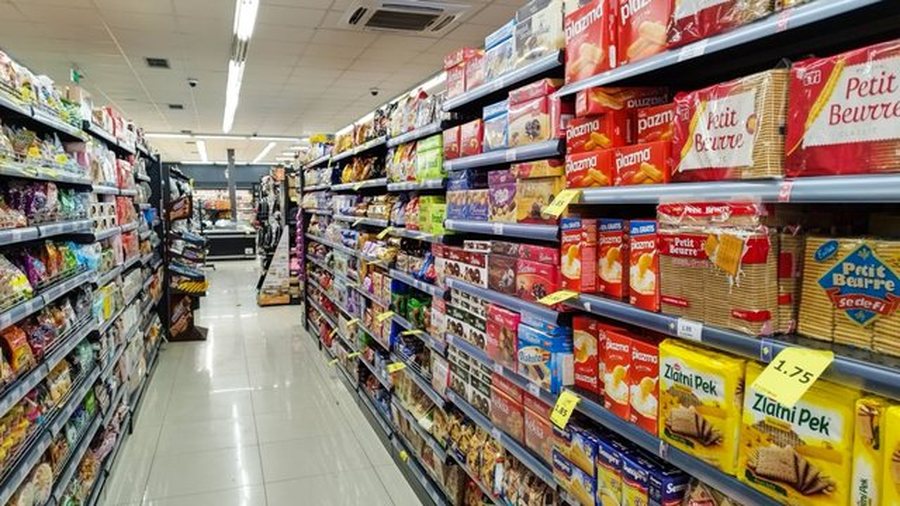
The responsible authorities in Kosovo promise to increase their efforts in monitoring the market, in order to prevent the eventual increase in prices, after the decision of the Government of Kosovo to ban the entry of Serbian goods into the country.
This decision was taken on June 15, after the arrest of three Kosovar policemen by Serbian forces.
Prime Minister Albin Kurti described the stop as a security measure, and not an economic or commercial one.
For various reasons, Kosovo, even in the past, has taken restrictive measures against Serbian products - which are among the most present in the local market - which has resulted in increased prices.
Asked by REL what measures it will take to prevent the eventual increase in prices, the Ministry of Trade, Industry and Enterprise says:
"When there are issues or events that require greater focus and commitment, the number of inspections increases, we work with extended hours and are engaged even during the weekend."
"The Market Inspectorate will monitor the market and in case any violation of the legal provisions in force is found, punitive measures will be taken", says the statement, without specifying more.
According to the Law on the Protection of Competition, if any irregularities are found during monitoring, fines range from 1,000 to 4,000 euros.
The Competition Authority of the Republic of Kosovo also affirms for REL that, after the circumstances created, "they will focus on price controls of the basic products flour, wheat, oil, sugar, milk".
Serbia is among the countries with the largest presence of products, whether food or other, in Kosovo.
Within a day, this country exports goods to Kosovo worth one million euros.
Kosovo has faced an increase in the prices of products and services since the end of 2021, mainly due to the supply disruptions caused by the coronavirus pandemic. Then, the Russian invasion of Ukraine, which started at the end of February, 2022, gave them a boost.
Last year, Kosovo ended with an average inflation rate of almost 12 percent.
The President of the Chamber of Commerce of Kosovo, Lulzim Rafuna, believes that in the short term, businesses will not move the prices of products.
"... well, if businesses are forced to bring the raw material they bought in the region, in this case in Serbia, from China or some distant country, this will increase the cost of the raw material and affect prices. Not with the will or desire of our producers and importers, because even these, when they produce the final product and sell it on the European market, will be more expensive", says Rafuna .
Arben Tërshnjaku, manager at the "Liri" company in Prizren, which deals with the production of various food products, says the same.
“Çmimet e produkteve nuk rriten vetëm me një lëvizje. Fabrika ‘Liri’ ngrit çmimet vetëm në rastet kur ka lëvizje të kostove. Ne nuk kemi lëndë të parë që e marrim nga Serbia”, thotë ai për Radion Evropa e Lirë.
Kompania “Pestova” në Vushtrri merret me përpunimin dhe prodhimin e patates. Pronari i saj, Bedri Pestova, zotohet se në rast të rritjes së kërkesës për prodhimet e tij, çmimet e tyre nuk do të ndryshojnë.
Kur në fund të vitit 2018, Qeveria e Kosovës vendosi taksë, fillimisht 10% e më pas 100%, mbi produktet e Serbisë dhe Bosnje Hercegovinës, rritja e çmimeve të produkteve në tregun e Kosovës nisi të vërehet gradualisht.
Four months after the imposition of the tax, which has remained in force for more than a year, data from the Kosovo Statistics Agency have shown that the inflation rate has increased - in March 2019 it was 3.3 percent, compared with March of 2018./REL




Lini një Përgjigje