


 Shkruar nga Pamfleti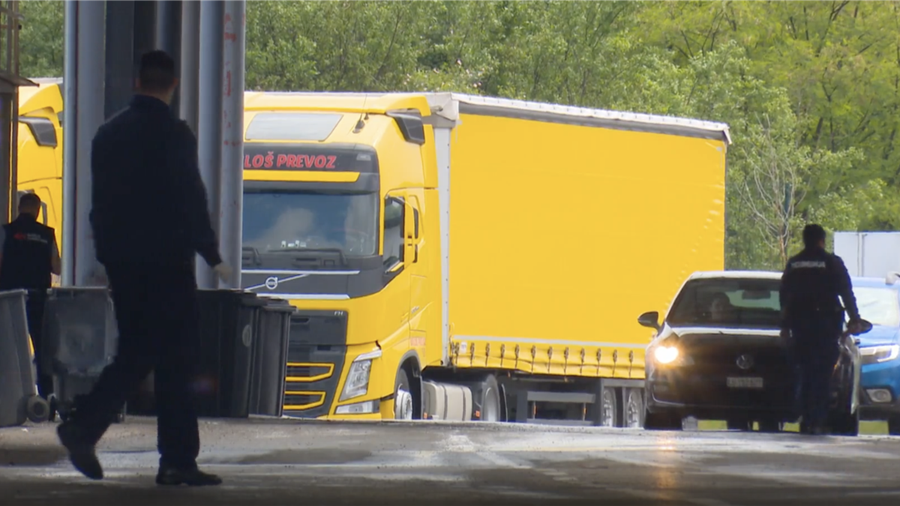
German diplomats committed to the Balkans and experts on European integration and economic issues are calling on the government of Kosovo to lift the ban on imports of goods from Serbia, amid concerns that the refusal could leave Kosovo out of important processes such as the Process of Berlin.
The government of Kosovo stopped the import of goods from Serbia in June 2023, as a security measure after the situation created by the arrest of three members of the Kosovo police by Serbian forces, who were then released under Western pressure.
During a visit to Kosovo at the end of last month, the German envoy for the Western Balkans, Manuel Sarrazin, asked the government to lift the ban, stressing that it is against the principles of the Central European Free Trade Agreement, known as CEFTA, where Kosovo is also a part, along with five other countries of the Western Balkans and Moldova.
In return, the German diplomat has offered that Kosovo be represented in CEFTA under its own name - with a footnote and not through the United Nations Mission in Kosovo (UNMIK), as it is currently.
After the visit, the German ambassador to Kosovo, Jorn Rhode, in a post on social networks said that "if necessary, other Balkan countries will continue without Kosovo with regional cooperation and the Berlin Process".
The executive director of the Balkan Group for policy drafting, Naim Rashiti, in a conversation with the Voice of America, says that these requests are being made to Kosovo on the eve of the next meeting within the Berlin Process.
"All these agendas that are being developed like the Regional Common Market II, not that they have had great successes and not that they have advanced much regional cooperation, but still new agendas are being built on them and Kosovo must catch them. Of course, Kosovo has many problems with CEFTA and we as an organization oppose that Kosovo is still called as UNMIK in these agendas and everything must be done to remove it, but at the same time Kosovo must preserve the values it has, to be open and be a territory of free trade, democratic institutional cooperation with the West because that's the only way it survives", says Mr. Rashiti.
He expresses his conviction that Kosovo will not be excluded from regional initiatives, but will lose its influence on them.
"I do not believe that it will happen because it is difficult to imagine that the leaders of the countries will sit down in the German Chancellery and sign an agreement without the presence of everyone, I am convinced that in the end both Germany and Kosovo will make more efforts, but last minute negotiations are very risky. These negotiations should have been developed in a much more transparent, comprehensive, more careful and active manner, both sides, but in particular we are talking about Kosovo because there may be unknowns, or other agendas or other annexes of the countries. others, as Serbia usually does. So then Berlin will not leave Serbia out, so Kosovo must proactively precede the construction of the agenda, shape it well, communicate correctly with the leader of this process but also with other countries", says Mr. Rashiti.
Skender Krasniqi, head of the Chamber of Commerce and Industry in Kosovo, says that the government of Kosovo should take advantage of this situation so that, in addition to lifting the ban on goods from Serbia, it completely renegotiates its CEFTA agreement, which was signed by UNMIK on behalf of Kosovo in 2006.
"Because Kosovo is the only country that has signed the CEFTA agreement without protecting any product, which has influenced the increase of thousands of percent in the import from these countries and maybe tens less in relation to the export of our products to CEFTA countries. This has been the constant mistake of this and all governments in Kosovo, which has never started the renegotiation of the CEFTA agreement and the beginning of the protection of the products we have that are competitive in the market", he says.
In the response that the government of Kosovo sent to the Voice of America, it is stated that "Kosovo supports regional cooperation and the deepening of economic integration through the Berlin Process, based on the principle of equality, reciprocity, values and rules of the European Union".
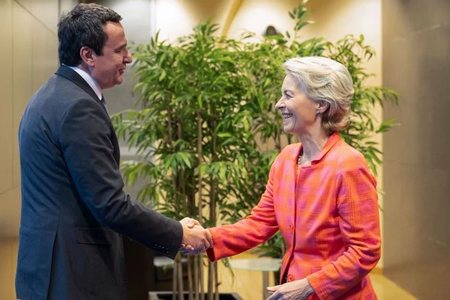
"In yesterday's meeting with the President of the European Commission, Ursula von der Leyen, Prime Minister Kurti expressed the commitment of the Government of Kosovo to new agreements within this process, and at the same time emphasized the importance of the full implementation of the four mobility agreements signed in Berlin and Tirana", says the government's response, adding that "it is working to unblock CEFTA as an important mechanism in the implementation of the Common Regional Market, in order to ensure direct representation and equality between the parties".
The Berlin Process, which this year marks the tenth anniversary of its establishment, is an initiative launched in 2014 by the former German Chancellor Angela Merkel, with the aim of deepening the coordination between the countries of the Western Balkans as well as supporting the membership process of this region in the Union. European.
Takimi i radhës pritet të mbahet me 14 tetor dhe diplomati gjerman Sarrazin ka kërkuar që deri atëherë të ndërmerren veprime konkrete që ndihmojnë përparimin e vendeve të rajonit që aspirojnë integrimet evropiane duke theksuar se “për këtë duhet kompromis dhe nganjëherë edhe gatishmëri për lëshime mbi pajtimin rreth marrëveshjeve politike që nuk janë të lehta për Serbinë dhe as për Kosovën”.
Zoti Rashiti thotë se Procesi i Berlinit ka mbetur e vetmja agjendë evropiane e rëndësishme për Ballkanin Perëndimor, që përfshin të gjitha vendet e rajonit dhe i trajton ato në mënyrë të barabartë. Rrjedhimisht thotë ai, këmbëngulja e Kosovës për reciprocitet është politikisht legjitime, por në kuptimin afatgjatë nuk është qasje e duhur.
“Masat aktuale janë masa që përkojnë me dy prioritete të qeverisë, nëse ju kujtohet qeveria që kur ka ardhur në pushtet ka proklamuar reciprocitetin dhe kjo është baza e qëndrimit politik dhe e dyta ka të bëjë me sigurinë pas Banjskës. Që të gjitha kuptohen por në të njëjtën kohë duhet të luftohet e para për lobim dhe avancim të këtyre agjendave rajonale për një mobilizim të partnerëve për ta luftuar Serbinë, pra ti i heq masat por nuk heq dorë nga kërkesat jote dhe pastaj mund të krijosh agjenda të tjera që kërkojnë vendosjen e reciprocitetit ose zgjidhjen e çështjeve dypalëshe në kuadër të mekanizmave të tjerë apo vendosjes së mekanizmave të ri”, thotë ai.
Zoti Rashiti thekson se përplasjet e Kosovës me aleatët rrezikojnë të bëjnë atë një vend të cenueshëm në të ardhmen.
“Në Kosovë duhet të kuptohet që Kosova ka nevojë për aleatët perëndimorë, jo Gjermania, jo Franca dhe jo Shtetet e Bashkuara. Kosova ka nevojë që të jetë në vija uniforme me këto agjendat ndërkombëtare të integrimeve që të përfitojë, përndryshe Kosova do të bëhet vend i cenueshëm, nëse nuk e shohim sot do ta shohim vitin tjetër, apo një vit pas. Të gjitha këto procese të shtrirjes së sovranitetit, të reciprocitetit, të bashkëpunimit rajonal, të rritjes së prezencës së Kosovës dhe të anëtarësimit në organizata ndërkombëtare do të arrihen më mirë në bashkëpunim me aleatët ndërkombëtarë. Nuk është perfekte, këto vende kanë agjenda të ndryshme, kanë shpesh agjenda kontradiktore sic e kemi parë e favorizojnë Serbinë në faza të caktuara, megjithatë qëllimi primar i Kosovës është konsolidimi i shtetësisë brenda dhe jashtë ku nuk do të ja arrijmë dot pa faktorin ndërkombëtar, kjo mund të kuptohet sot ose pas dhjetë vitesh apo pesëmbëdhjetë vitesh, nuk ka zgjidhje tjetër”, thotë ai.
This year's report of the US Department of State on the climate of doing business in Kosovo and the Progress Report for Kosovo of 2023 criticize the ban on the import of Serbian goods, assessing that it is contrary to the spirit of the Stabilization-Association Agreement, and that it has "caused great confusion to importers and has negatively affected companies owned by foreign entities in Kosovo, due to the interruption in the supply chain"./ VOA



Lini një Përgjigje